A reported draft of a final agreement between the United States and Iran places sanctions relief, a regional ceasefire, and freedom of navigation in the Strait of Hormuz at the center of the deal, according to Al Arabiya. Notably, the published outline does not list a specific nuclear clause, even as Washington continues to insist that Tehran must not obtain a nuclear weapon.
U.S. Secretary of State Marco Rubio addressed the talks on Thursday ahead of a NATO foreign ministers’ meeting, saying that Washington has seen “some progress” but warning against premature optimism.
“I don’t want to get ahead of it,” Rubio said.
“I think we have made some progress, but obviously we are dealing with an Iranian system that is somewhat divided.”
Rubio added that the Trump administration would continue exploring whether a deal is possible, but stressed that President Donald Trump has “other options” if diplomacy fails. Reuters also reported Thursday that no agreement has been reached, though a senior Iranian source said the gaps had narrowed and that uranium enrichment and Iran’s position on the Strait of Hormuz remain key sticking points.
According to the draft cited by Al Arabiya, the agreement would include an immediate, comprehensive and unconditional ceasefire on all fronts, including land, sea and air. Both sides would commit not to attack each other’s military, civilian or economic infrastructure, and all military operations, cyberattacks and media incitement campaigns would be halted.
The draft also calls for respect for state sovereignty, territorial integrity and non-interference in domestic affairs. It would guarantee freedom of navigation in the Persian Gulf, the Strait of Hormuz and the Gulf of Oman, while establishing a joint monitoring committee to oversee implementation of the agreement and resolve disputes.
Under the reported framework, negotiations over remaining disputed issues would begin within seven days. U.S. sanctions on Iran would be lifted gradually in exchange for Tehran’s compliance with the agreement.
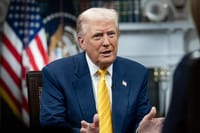
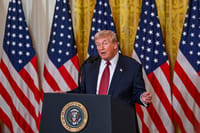
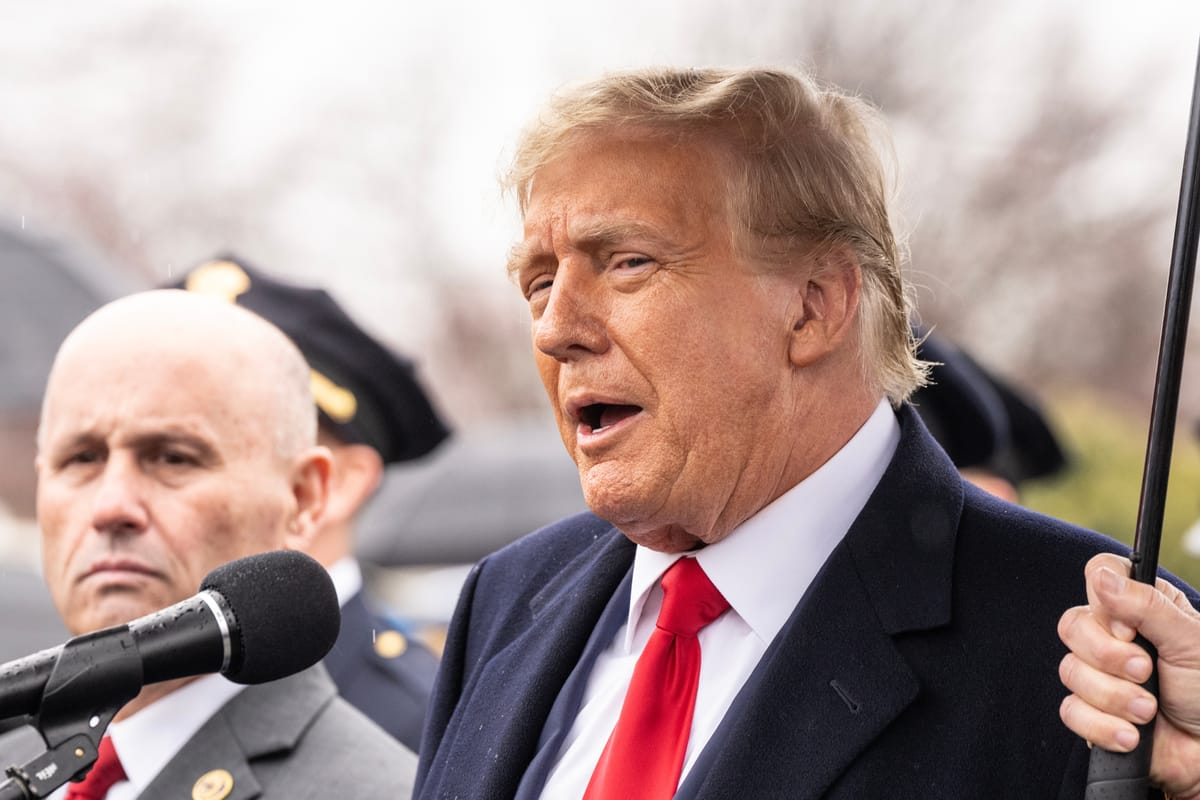
Trump, however, made clear that the nuclear issue remains Washington’s red line.
“They will not have a nuclear weapon,” Trump said. “Either we make sure they do not have one, or we will have to do something very drastic.”
Asked about Iran’s highly enriched uranium, Trump said the United States would take possession of it. “We will get it. We don’t need it, we don’t want it. We’ll probably destroy it after we get it, but we’re not going to let them have it,” he said.
The Strait of Hormuz also remains a major point of dispute. Rubio warned that any Iranian attempt to impose a tolling system in the strait would make a diplomatic agreement “unfeasible,” calling such a move unacceptable and illegal.
Trump said the United States currently has “full control” over the Strait of Hormuz through its naval blockade, claiming the blockade has been “100 percent effective.” He also said U.S. operations had severely damaged Iran’s naval, air and missile capabilities.
Despite cautious language from both sides, Rubio said there are “some positive signs” and confirmed that further diplomatic activity is expected in the coming days, including a Pakistani visit to Tehran. The administration’s stated preference, he said, remains diplomacy.
“The president’s preference is always a deal,” Rubio said. “The president’s preference is always an agreement. The president’s preference is always diplomacy.”