Get our mobile app
Download on the App StoreGet it on Google Play

Economic Warfare Against Tehran

Egypt Bank Branches Sanctioned Over Iran

Five Bank of Egypt branches in the UAE face potential cutoff from the dollar system after allegedly processing nearly $2 billion for Iranian shell companies evading international sanctions

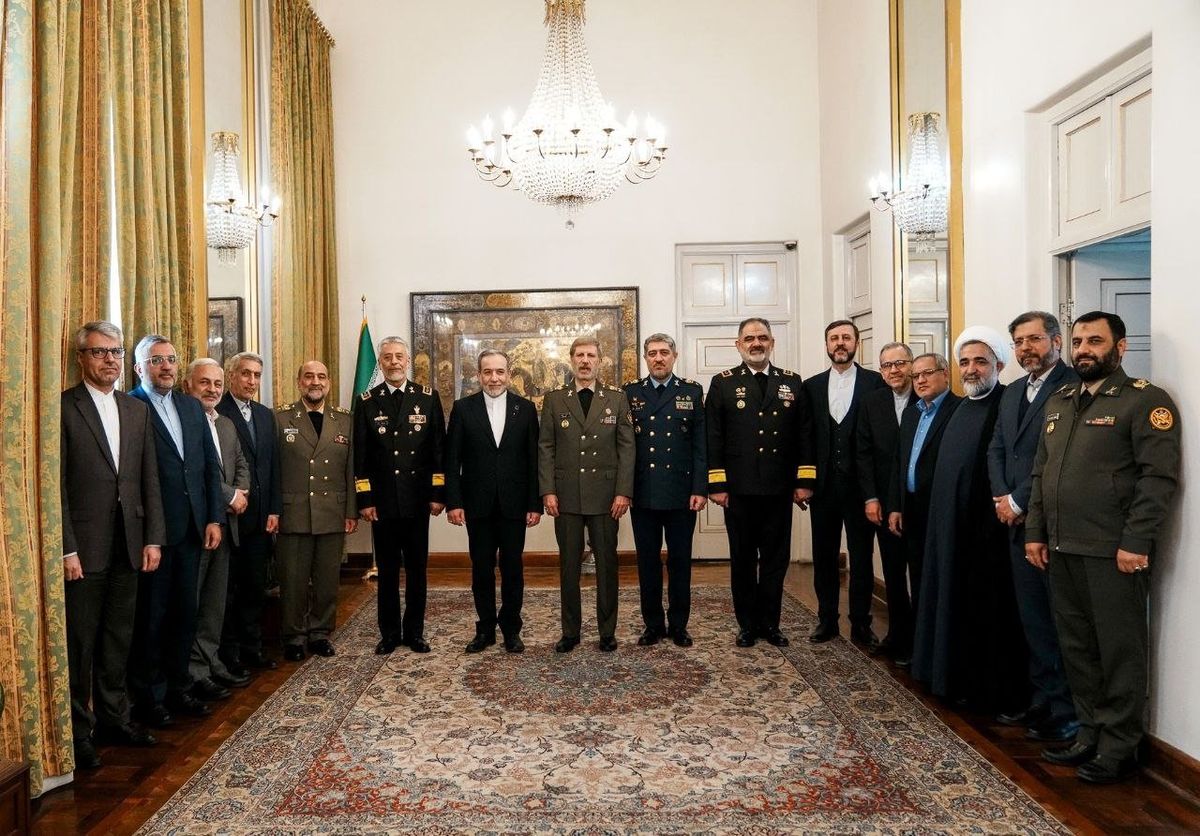
Senior officers of the Iranian army

For two and a half years, five branches of Egypt's second-largest bank operated quietly across Dubai, Abu Dhabi, Sharjah, and Ras Al Khaimah, processing transactions worth nearly $2 billion. Bank of Egypt, wholly owned by the Cairo government, appeared to be conducting routine business. But according to the U.S. Treasury Department, a substantial portion of that money served as a financial lifeline to Iran's regime.

On August 28, 2026, under the code name "Operation Economic Outcast," U.S. Treasury Secretary Scott Bessent struck. The Financial Crimes Enforcement Network (FinCEN) announced that the five Bank of Egypt branches in the United Arab Emirates constitute "a primary money laundering concern."

The official assessment: between January 2024 and June 2026, approximately $1.8 billion flowed through these branches on behalf of 103 companies identified as part of Iran's "black banking" network. According to the American announcement, clients included shell companies serving Iran's Defense Ministry and the Islamic Revolutionary Guard Corps (IRGC) to circumvent sanctions, with some funds linked to Supreme Leader Mojtaba Khamenei.


The practical consequences are clear and severe: if the proposal becomes final after a 30-day comment period, American banks will be prohibited from maintaining correspondent accounts for these branches. Without these accounts, dollar clearing, international transfers, and trade financing are not possible, meaning that the branches' international business model effectively collapses.

Bank of Egypt is a sovereign asset. Targeting it strikes directly at a financial arm of President Abdel Fattah el-Sisi's government. Cairo is already feeling the pressure: Egypt's banking system faces an ongoing economic crisis and chronic foreign currency shortage.

America says that the measure only applies to the UAE branches, not to headquarters in Cairo or branches in other countries. There is currently no public evidence that President el-Sisi or senior government officials personally knew about these specific money flows. But the fact that a major state-owned bank enabled such activity raises difficult questions about compliance departments and regulatory oversight.

The Central Bank of the United Arab Emirates (CBUAE) responded immediately, ordering a forensic investigation and urgent in-depth audit of the transactions. Together with Egypt's central bank, authorities announced that the branches continue operating "as usual" for now, with full coordination and cooperation in the investigation. The clear message: no one wants the UAE's international financial reputation damaged.

Washington's message is equally clear: this isn't just about one bank. It's a sharp regional warning—even U.S.-friendly countries like Egypt will be aggressively cut from the dollar clearing system if they allow Iran to use their banks as a loophole. Bessent described the operation as an effort "to sever every remaining economic lifeline to Tehran."

The clock is ticking. The 30-day comment period is already underway. If the sanction becomes final, the five UAE branches could become a living example of what happens when Iranian dollars find their way through a "clean" bank. The major question remains open: is this just the beginning of "Operation Economic Outcast"—or is the next blow already on its way?

Ready for more?

Join our newsletter to receive updates on new articles and exclusive content.

We respect your privacy and will never share your information.

Enjoyed this article?

Yes (29)
No (1)
Follow Us:

Unmissable content


Loading comments...

Also of Interest