Get our mobile app
Download on the App StoreGet it on Google Play

The Operation That Never Was

Mossad's Halted Iran Ground Invasion Plan

Israel's intelligence agency armed Kurdish militias with captured Hamas and Hezbollah weapons for ambitious operation to topple Iranian regime, but Turkish pressure on Trump ended the plan three days into the conflict

Mossad Planned Ground Invasion of Iran, U.S. Halted Operation Days After War Began

When war erupted between Israel, the United States, and Iran in late February 2026, an extraordinarily ambitious plan was on the table. Beyond aerial strikes on nuclear and missile facilities, Israel's Mossad, the country's foreign intelligence service, had prepared a ground operation designed to destabilize the Iranian regime from within. But just three days after fighting began, Washington issued a directive: stop everything.

According to detailed reports published in recent months by Israeli and international media, the Mossad had developed a plan to deploy Kurdish forces from both Iran and Iraq as a ground invasion force that would push in from the northwest, open a new front, and ignite widespread popular unrest inside Iran. The operation, referred to in various sources by code names including "Puss in Boots," had been years in the making and was intended to reshape the regional order.
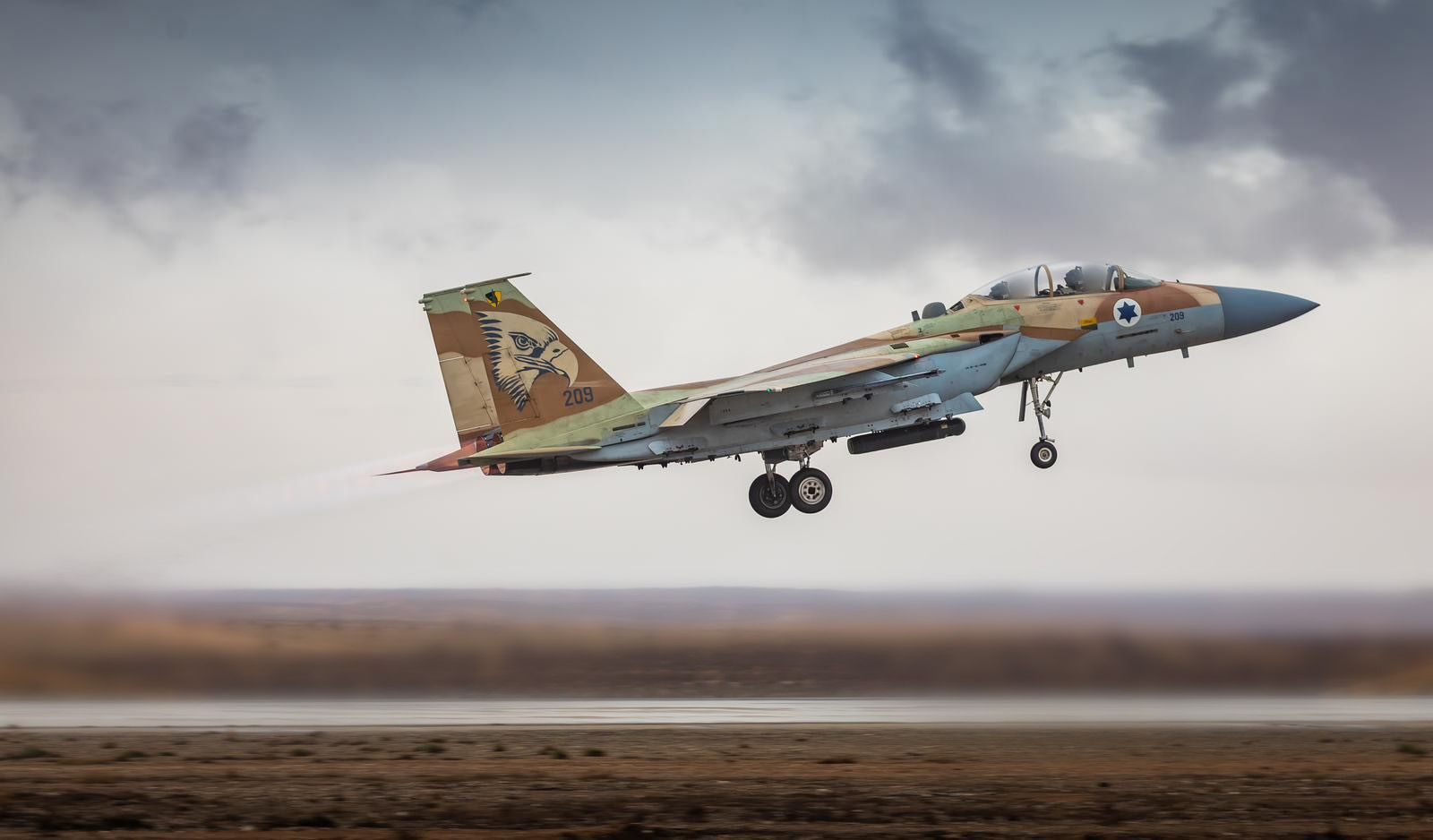
Kurdish militias received weapons captured from Hamas in Gaza and Hezbollah in Lebanon, according to the reports. Israel provided training, some of it conducted on Israeli soil, and promised continuous air cover. The concept called for establishing a no-fly zone and cover fire to enable the forces to advance against Iran's Revolutionary Guards.

Initial estimates put the force at approximately 15,000 fighters, with hopes that thousands more would join from local populations and other minority groups. The objective was to break the barrier of fear, create chaos that would force the regime to disperse its forces, and ultimately trigger either collapse or regime change.

צילום: דובר צה"ל
צילום: דובר צה"ל

Ex-Mossad chief Dedi Barnea, who led the agency at the time, was among the plan's most prominent advocates. According to sources, he presented the operation to Israeli leadership and to U.S. President Donald Trump before the war began. Israel viewed it as a historic opportunity to exploit Iran's temporary weakness and create conditions the Iranian people themselves could leverage.

Within the Israel Defense Forces (IDF) and military intelligence (known in Israel as Aman), however, voices of skepticism emerged. Some assessments cited low probability of success, relative military weakness of the Kurdish forces, and risks of regional escalation. Before the war, Barnea had presented to Israel's security cabinet the Mossad's assessment that "the process of toppling the regime could take many months, possibly even a year."

The critical moment arrived three days after operations began. With forces prepared for action and airstrikes having opened corridors, the order came from the White House: don't proceed. According to reports, Ankara feared the strengthening of Kurdish forces in the region, and a phone call beyween Erdogan and Trump was sufficient to halt the operation.

Media leaks, internal doubts within the American administration, and risk assessments also contributed to the decision. The original plan was shelved. Israel presented alternativesm attempts at psychological influence operations, contacts with figures such as former Iranian president Mahmoud Ahmadinejad, and other strategies, but these did not produce the hoped-for results.

נשיא ארה"ב דונלד טראמפ
נשיא ארה"ב דונלד טראמפ (צילום: הבית הלבן)

Iran's regime survived the war, though it suffered severe damage to its military and nuclear capabilities. Within Israel's security establishment, disputes erupted: the Mossad argued that an opportunity had been missed, while other officials emphasized that such a ground operation in the midst of active warfare would have been too dangerous with limited chances of success.

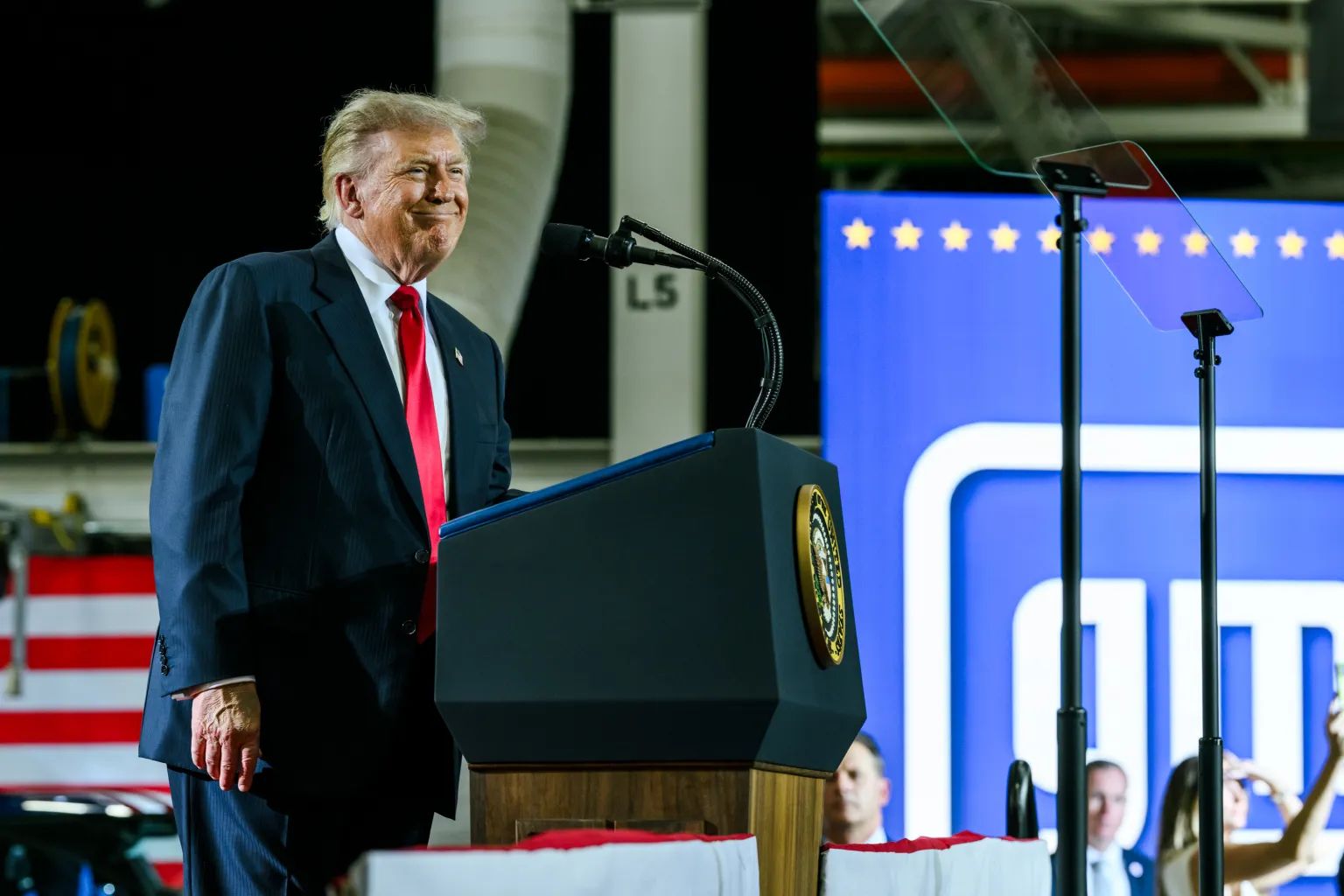
Today, as Iran's economy crumbles under sanctions and inflation soars, President Trump continues to make clear he has no timeline for easing pressure. "I'm not in a hurry," he told Al Jazeera in an interview. "I don't have any timeline at all."

Six months after the war began, reports about the halted plan continue to emerge and spark debate. Was this a genuine missed opportunity, or an overly ambitious idea with slim prospects from the start? The answer depends on whom you ask. What is clear is that in the war's critical moments, the American decision changed the course of events—and left the question of the Iranian regime's future unresolved.

Ready for more?

Join our newsletter to receive updates on new articles and exclusive content.

We respect your privacy and will never share your information.

Enjoyed this article?

Yes (39)
No (2)
Follow Us:

Unmissable content


Loading comments...

Also of Interest