Get our mobile app
Download on the App StoreGet it on Google Play

Middle East Analysis

Iran's Dual Crisis: Economy and Nuclear Arms

U.S. sanctions are strangling Iran's economy and causing humanitarian distress, but the regime refuses to budge. Expert Dr. Shai Har-Zvi analyzes the strategic crossroads facing Tehran: possible scenarios for civil unrest, why the regime clings to its nuclear program as existential insurance, and direct implications for Hezbollah and Israel.

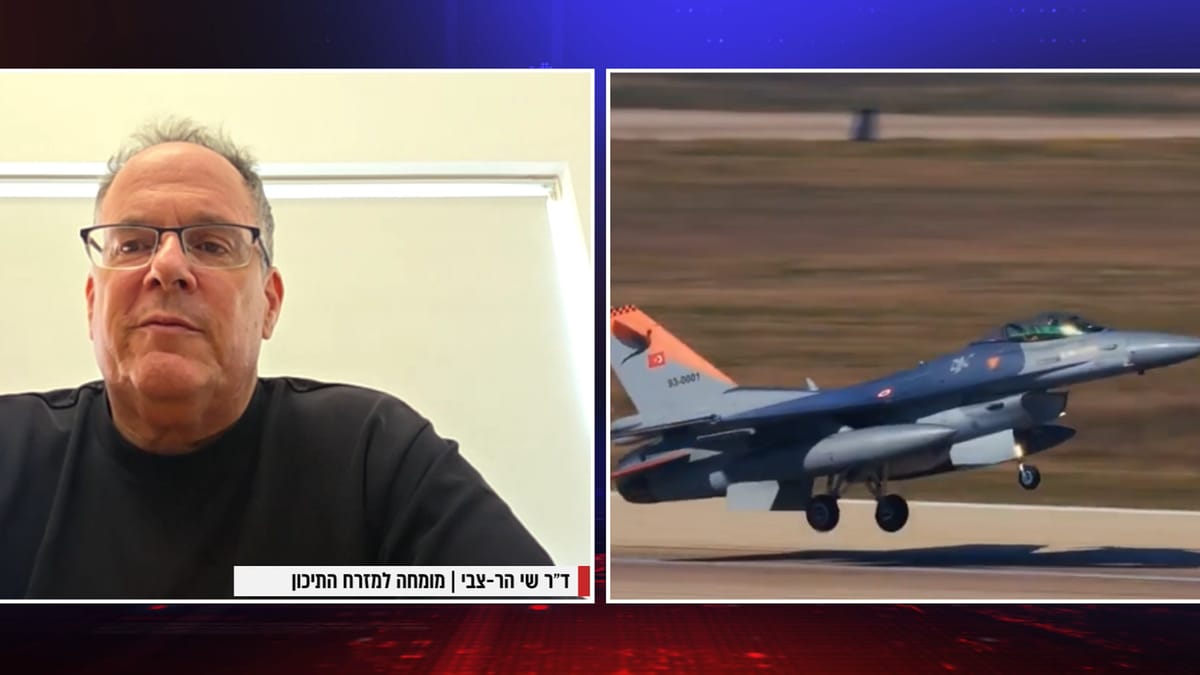
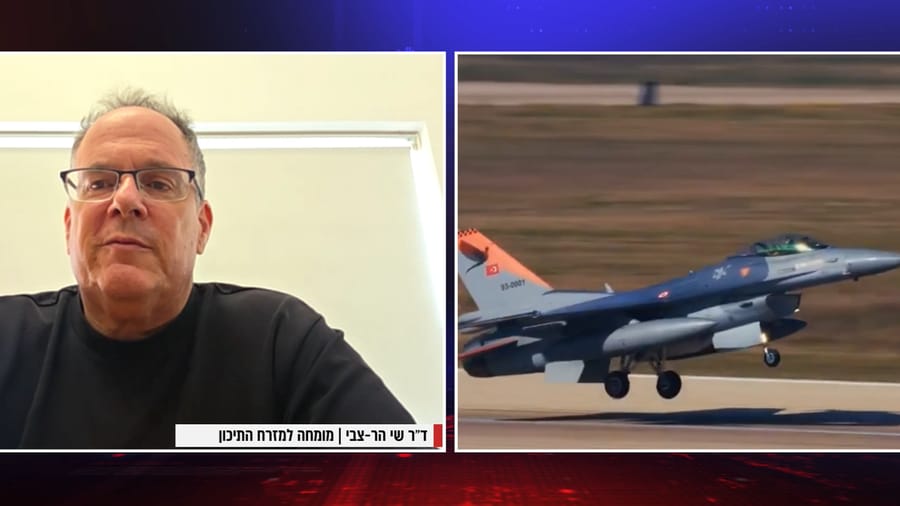
Dr. Shay Har-Zvi in ​​an interview
ד"ר שי הר-צבי בראיון | צפו

The complex confrontation with the Islamic Republic of Iran has reached a critical juncture amid the American administration's maximum pressure policy. In an interview with Yossi Sergobsky, Dr. Shai Har-Zvi, head of the International and Middle East arena at the Institute for Policy and Strategy (IPS) at Reichman University, explained that President Trump's current strategy focuses decisively on the economic sphere while deliberately avoiding renewed large-scale military engagement. The administration understands that the most effective path to forcing flexibility in Iran's leadership runs through tightening the economic noose around Tehran's neck.

The consequences of American sanctions are clearly visible on Iranian streets and are driving an increasingly severe humanitarian crisis. According to the analysis presented, the economic distress has reached catastrophic proportions. Citizens are experiencing acute shortages of basic goods, cannot purchase medications or food, and there are even reports of extreme phenomena such as organ sales to survive.

Despite this grim domestic reality, the Revolutionary Guards and the regime's leadership continue to display a rigid and stubborn line, showing no willingness to yield to American dictates. The central dilemma hovering over Tehran is the breaking point: whether and when public distress will translate into widespread popular uprising in the streets, similar to past events but with intensity that could threaten the regime's stability, or whether the cracks and despair will first seep into the ranks of the military and the regime's own security apparatus.
Iran's leadership faces several strategic options for dealing with the crisis. One possibility is adopting a posture of "strategic waiting," attempting to weather the current period in hopes of future policy changes and easing of sanctions.

Conversely, there exists a worrying scenario of deliberate escalation. Should the economic stranglehold tighten to an unbearable point for the regime, Tehran might choose to break the deadlock by creating regional confrontation. This course of action could include attacks on Persian Gulf states, a move designed to demonstrate to the international community and the United States the heavy price of cornering Iran, and to create counter-leverage that would force the West to retreat from sanctions.

Against this backdrop, the overarching goal of Israel's security establishment is breaking the Tehran-Beirut axis of influence and dismantling Hezbollah's weapons and strategic capabilities. However, this represents a complex operational and political challenge. Such a move requires not only sustained Israeli military action but also significant American involvement and backing that could translate military achievements into a long-term political arrangement and alter the security reality on the northern border.

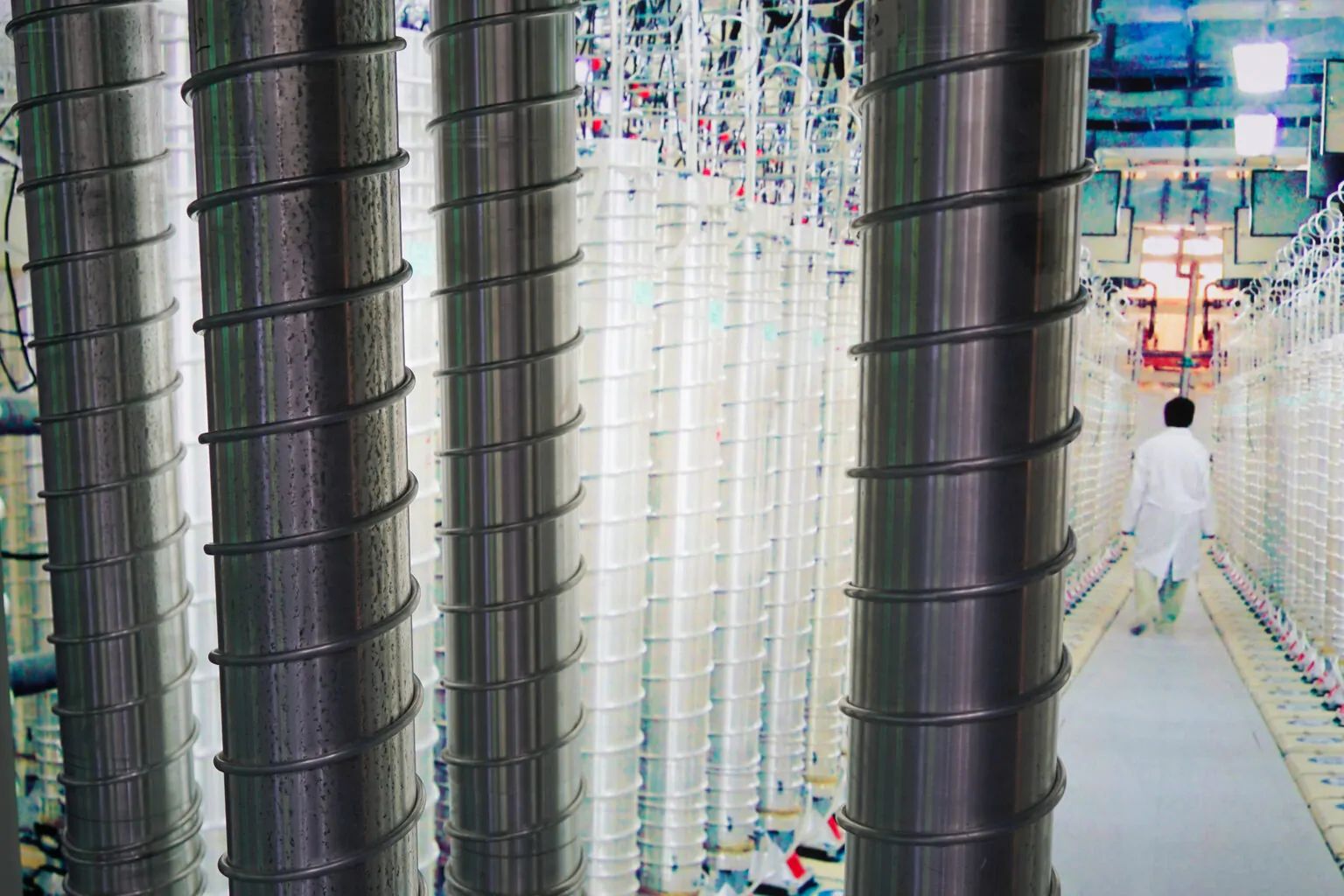
Nuclear facility in Iran
Nuclear facility in Iran (Shutterstock )

Another critical issue discussed extensively is the disturbing progress of Iran's nuclear program. Despite this topic being somewhat pushed to the margins of media discourse recently, it remains an existential and central threat. Dr. Har-Zvi emphasized in the interview that Iran views developing nuclear weapons as its ultimate "insurance policy", the only guarantee ensuring the regime's survival against external overthrow attempts. This is a key lesson Tehran drew from its previous confrontations.

In the Israeli context, he clarified that given current geopolitical realities, Israel's ability to launch a direct military campaign deep inside Iran to thwart the nuclear project is extremely limited, as long as it lacks full backing and explicit "green light" from the U.S. military.

Iran's long arm in the Middle East, led by the terrorist organization Hezbollah, continues to constitute a central pillar in Tehran's national security strategy. Hezbollah currently serves as Iran's forward shield, and Tehran's goal is to create a rigid deterrence equation that will prevent Israel from operating freely in Lebanese territory, particularly in Beirut.

The full interview provides deeper insight into these interconnected strategic challenges facing both Iran and the region.

Ready for more?

Join our newsletter to receive updates on new articles and exclusive content.

We respect your privacy and will never share your information.

Enjoyed this article?

Yes (30)
No (1)
Follow Us:
1

Unmissable content


Loading comments...

Also of Interest