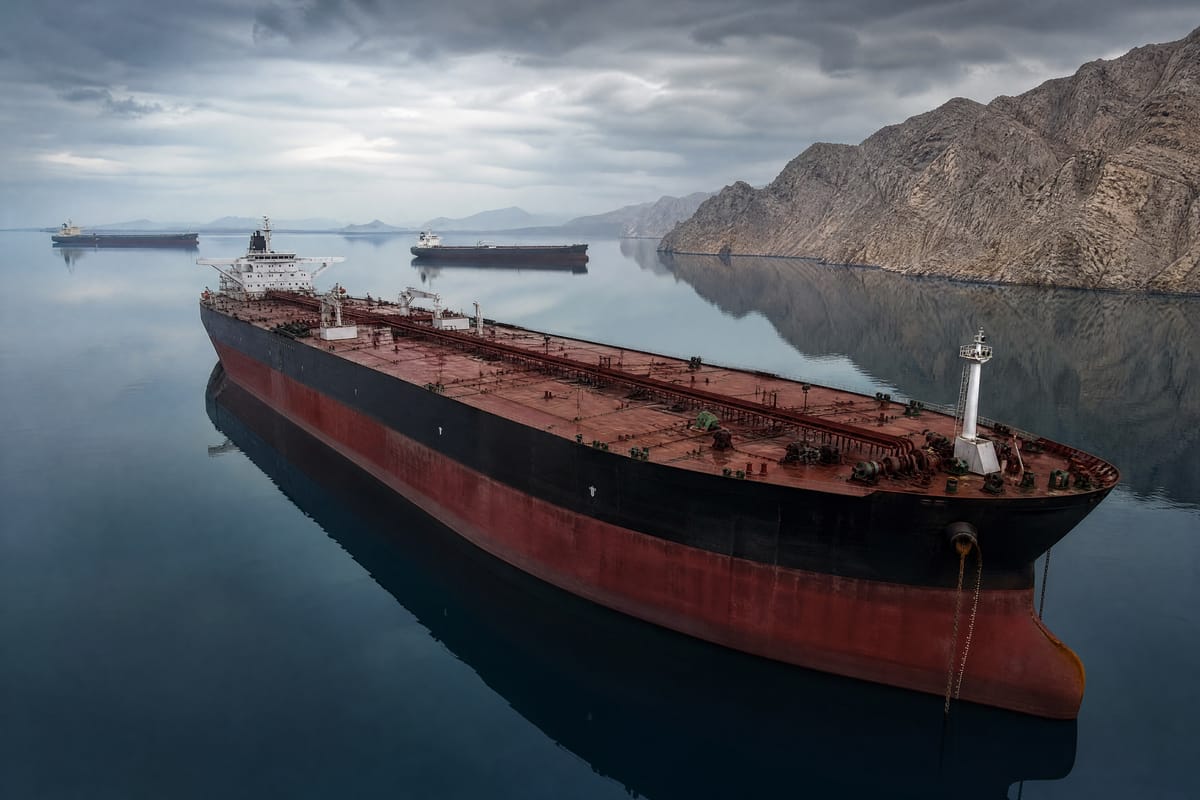
The delicate maritime balance governing the world’s most critical energy transit corridor has faced unexpected pressure due to unilateral regulatory shifts implemented by regional authorities. A temporary diplomatic framework intended to pacify international shipping routes is being utilized to construct a permanent domestic revenue mechanism. This developing economic strategy by the Iranian regime has triggered a sharp defense response from international mediators determined to protect open trade routes.
The sixty day temporary truce agreement, which was signed with the clear goal of ending active regional hostilities and reopening the Strait of Hormuz, has inadvertently granted Iran a foothold in the future management of the global shipping lane. Although the official document dictates that the strait must remain free of transit tolls during this initial phase, the regime is actively exploiting the geopolitical transition. Reports indicate that Tehran is utilizing the diplomatic window to finalize an infrastructure plan designed to generate billions of dollars in future maritime fees.
The tactical waterway has transformed from a central zone of active military confrontation between the United States and Iran into a highly contested diplomatic bargaining chip. United States Secretary of State Marco Rubio firmly rejected the ongoing Iranian initiatives during his recent diplomatic tour across the Middle East, warning that unilateral maritime fees establish a highly dangerous precedent. Rubio noted during a regional summit in Bahrain that the reality is that no country on earth has the right to charge a fee for the use of international waterways, and this will never be an acceptable condition in any agreement.
The White House has mirrored this uncompromising stance on digital platforms to reassure nervous international commercial shipping conglomerates. President Donald Trump addressed the brewing shipping friction by declaring that there are no fees, no insurance costs, and no other payments of any kind requested or received by Iran for ships traveling in the Strait of Hormuz. Despite these explicit warnings from Washington, local enforcement units have already begun implementing restrictive pre-clearance protocols throughout the territorial waters.
The newly imposed Iranian directives require all international commercial vessels to complete a mandatory registration process full forty eight hours before initiating their transit through the strait. Furthermore, the regime has established a dedicated state-run insurance firm, claiming that passing vessels must secure local coverage to ensure environmental safety. The state security apparatus has accompanied these administrative rules with direct operational warnings, stating that any vessel movement outside of the newly designated lanes is strictly prohibited and dangerous.
Financial documents show that the current legal restrictions preventing Iran from collecting direct transit fees are only explicitly guaranteed for the duration of the sixty day truce window. This specific chronological limitation implies that Tehran could legally consider itself free to impose massive maritime tolls once the two month period officially concludes. Regional analysts indicate that the regime expects to generate up to forty billion dollars in annual revenue through specialized security, safety, and environmental service charges.
The Iranian leadership is actively pitching this lucrative revenue-sharing model to neighboring Middle Eastern capitals and Chinese trade representatives to build an economic coalition. The Chief Iranian Negotiator, Mohammad Baqer Qalibaf, consolidated this stance during an official state visit to Muscat, delivering a clear message regarding the permanent restructuring of regional shipping rules. Qalibaf announced that everyone should know that the management of the strait will never return to what it was before.
Legal scholars have quickly challenged the validity of these unilateral claims, noting that current international maritime law prohibits individual nations from taxing open transit lanes. Any permanent structural change to global shipping regulations would require the broad consensus of the International Maritime Organization. At the same time, commercial traffic within the Strait of Hormuz has reached record highs following the mid-June lifting of the American naval blockade, even as certain shipping lines utilize temporary coastal corridors provided by Oman to bypass potential security threats.