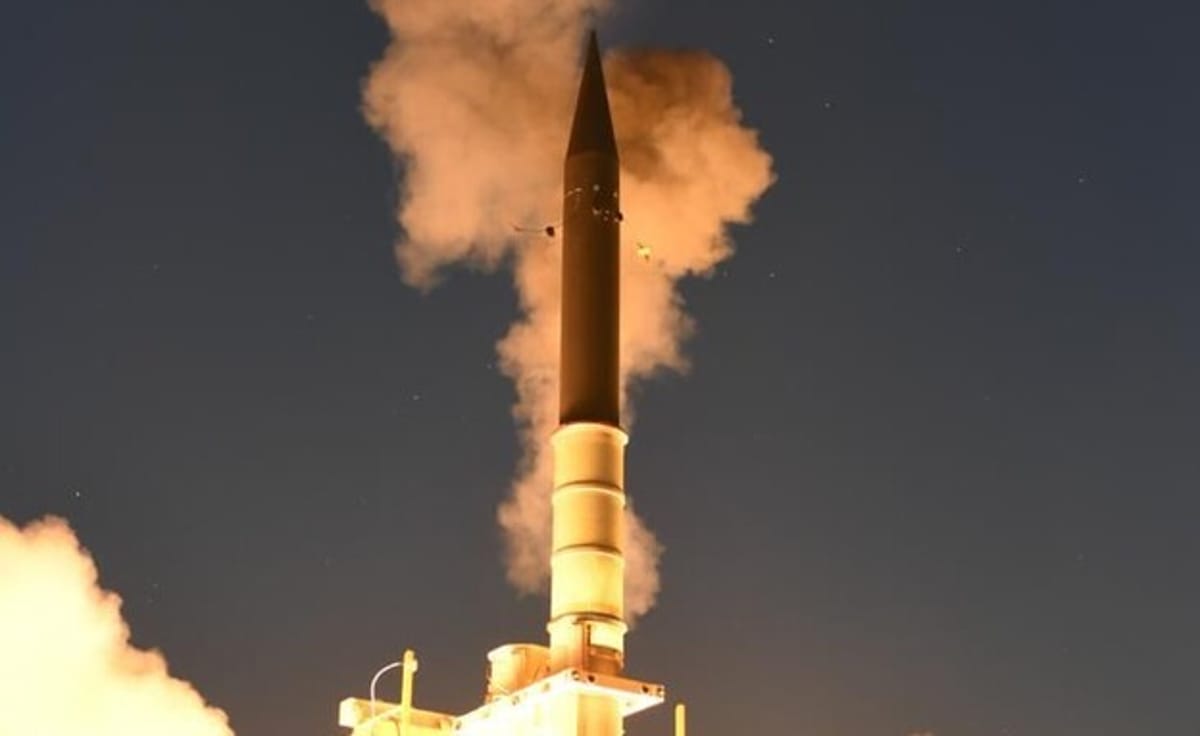
The Iranian regime is facing a wave of fierce condemnation from its neighbors following a direct military assault on the city of Fujairah in the United Arab Emirates. On Tuesday, the UAE Ministry of Defense confirmed that Iran launched multiple missiles and drones toward its territory, triggering air defense systems and causing explosions in several locations. Local witnesses reported hearing blasts, while intelligence sources indicated that at least two missiles were launched from Qeshm Island in southern Iran, which also saw its own unexplained explosions during the exchange.
Anwar Gargash, a senior diplomatic advisor to the UAE President, labeled the attack a "brutal Iranian strike" and a "dangerous escalation." In a public statement, Gargash characterized the regime’s actions as proof of its role as an aggressor that threatens regional stability. "Iran chose aggression as a way of acting toward its neighbors," he said, adding that "Iran had the wrong address" if it believed the UAE would be deterred. He thanked the international community for their solidarity against what he termed "rebellious actions."
The academic and public spheres in the Emirates were even more pointed in their criticism. Professor Abdulkhaleq Abdulla described the Iranian regime as a "cancer" and a "terrorist regime" that poses an existential threat to the world. He argued that the brutality of the attack underscores that co-existence with the current leadership in Tehran is impossible. Abdulla called for a decisive international response, stating that while the UAE knows how to defend itself, the world must also act to protect its own interests in the volatile region.
Saudi Arabia has condemned the strikes and expressed solidarity with the UAE, but sources within the Saudi royal family indicate the kingdom is trying to avoid being dragged into the war. A Saudi official told media outlets that they view the Iranian attack as a calculated move to test the effectiveness of Israeli-made air defense systems recently supplied to the UAE. The official claimed that Tehran is attempting to refine its tactics ahead of a broader "unity of arenas" war involving proxies in Iraq, Lebanon, and Yemen.
According to Saudi intelligence, the Iranian regime views Israel and the United States as existential threats and is planning a prolonged war of attrition. This strategy is intended to be followed by a "lightning war" similar to the October 7 terrorist attacks but on a much larger scale. For now, Riyadh remains committed to a Chinese-brokered agreement and is focusing on emergency defense plans, though they warned that any direct attack on Saudi soil would be met with a specific and forceful response.