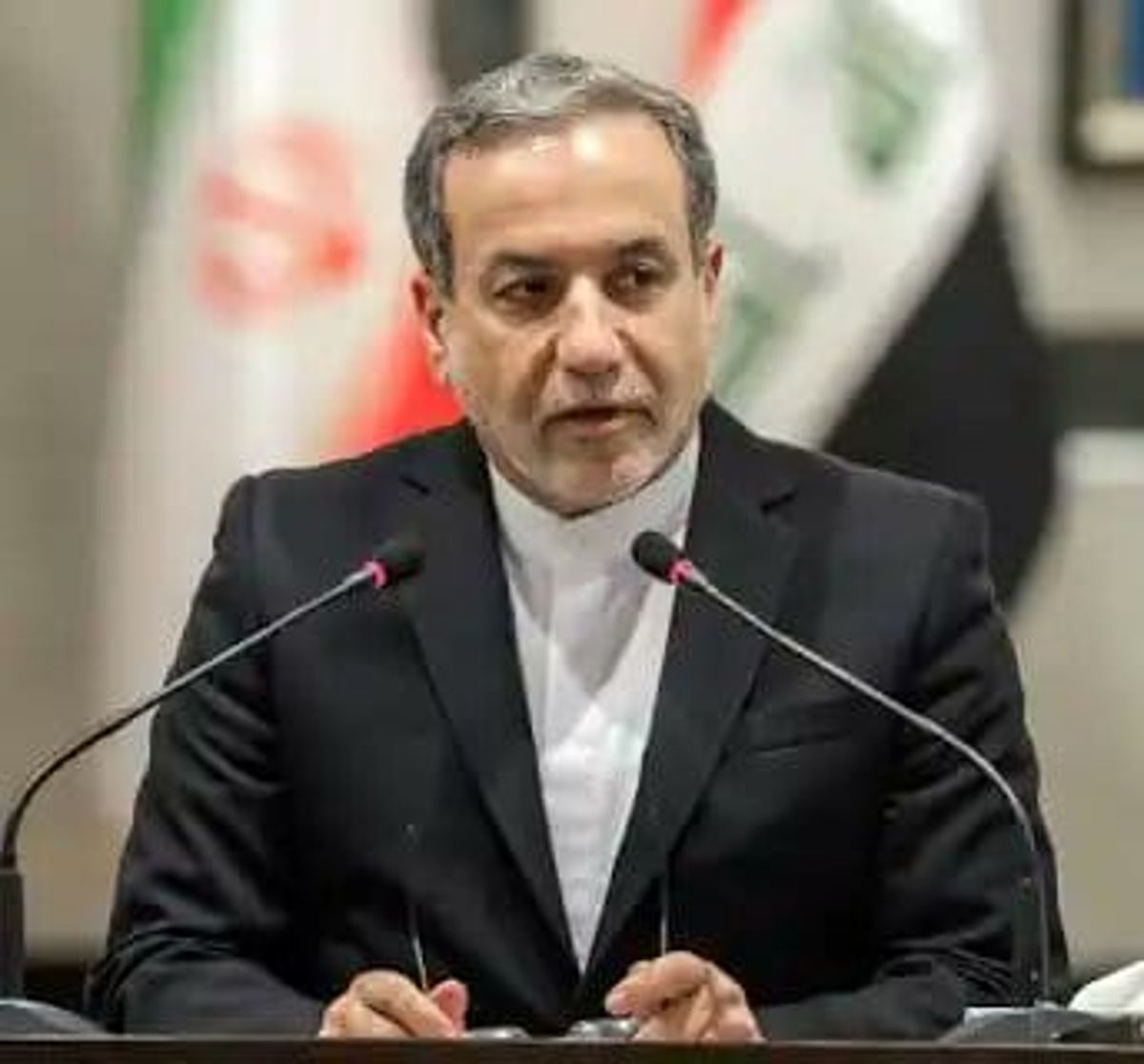
The Iranian Foreign Minister has acknowledged that Tehran is currently receiving direct communications from a United States envoy, marking a rare confirmation of high-level contact between the two adversaries. However, in an interview reported by Al Jazeera, the Minister emphasized that these messages are "not negotiations" and should not be seen as a precursor to a formal diplomatic breakthrough. The statement comes at a time of extreme tension, as the war continues to reshape the regional landscape and the Iranian regime finds itself under increasing military and diplomatic pressure. While the channels remain open, the rhetoric remains firm, with Tehran signaling that it is prepared for all eventualities, including a potential ground war.
Preparedness and Regional Friction
The Foreign Minister made it clear that while messages are being exchanged, Iran remains in a state of high military readiness. He noted that the country is fully prepared for any "ground confrontation," suggesting that the regime is not intimidated by the recent precision strikes or the deployment of advanced foreign military assets to the region. This stance of defiance is paired with an admission of the difficulties Tehran faces on the diplomatic front. The Minister conceded that there will be significant challenges in restoring trust with neighboring countries in the region, though he expressed a guarded confidence that such a reconciliation would eventually be possible.
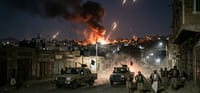
The refusal to categorize the current U.S. contact as "negotiations" likely stems from a desire to maintain a position of ideological purity for domestic audiences and regional proxies. By framing the contact as mere "messages," the regime avoids the appearance of making concessions under fire. This development follows reports of massive Israeli and U.S. strikes that have targeted the regime's infrastructure, leaving the leadership in a delicate position where they must manage direct threats while attempting to navigate the complexities of regional diplomacy.