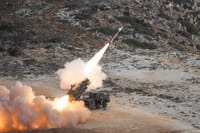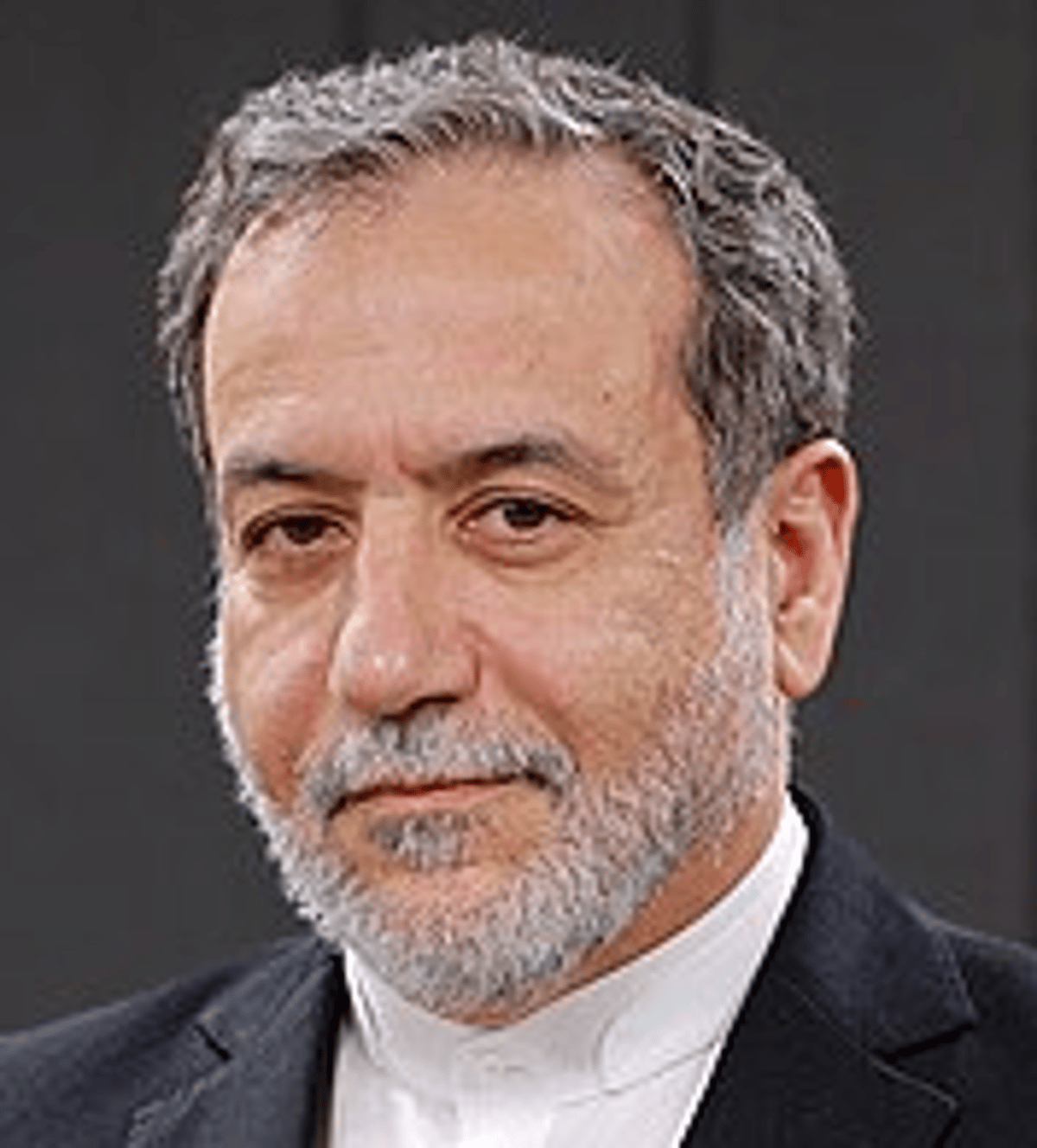
In a high-stakes interview that aired on Sunday, Iranian Foreign Minister Abbas Araghchi laid out the Islamic Republic's final terms for peace while simultaneously issuing a grim warning of regional war. Speaking with CBS as American military forces continue a massive buildup in the Middle East, Araghchi presented himself as a diplomat seeking a "win-win" solution, but one who is unafraid of a total war. He confirmed that he is likely to meet U.S. special envoy Steve Witkoff in Geneva this Thursday to review a draft proposal that he believes could surpass the 2015 JCPOA in effectiveness. However, the optimism was tempered by a stark admission: since Iranian missiles cannot reach the American mainland, any U.S. strike on Iranian soil would be met with retaliatory strikes against American military bases scattered across the region.
The Cost of Dignity and the Nuclear Red Line
For Araghchi, the nuclear program is no longer just a technical endeavor but a matter of national survival and honor. He defended Iran's right to uranium enrichment as a sovereign entitlement under the Non-Proliferation Treaty, flatly rejecting the "zero enrichment" demand that has been a staple of the Trump administration's public rhetoric. "We have endured 20 years of sanctions. We have paid great expenses, and lost many scientists. The nuclear program is at this point a matter of dignity and pride," Araghchi stated, making it clear that the regime has sacrificed too much to abandon the program now, even when faced with the potential destruction of the country.
The Foreign Minister emphasized that the upcoming negotiations must remain focused strictly on nuclear issues. He explicitly excluded Iran's ballistic missile program and its network of regional proxies from the discussion, a stance that has already sparked deep frustration in Jerusalem. Despite this narrow scope, Araghchi suggested that a new deal under President Trump could actually be superior to the previous one because the world has changed. He argued for a simpler agreement that secures Iran's peaceful nuclear rights in exchange for the total lifting of economic sanctions, moving away from the complex minutiae that defined the 2015 accord.
Lessons from Operation Rising Lion
Addressing the military reality on the ground, Araghchi acknowledged that Iranian air defenses suffered significantly during the recent 12-day war known as Operation Rising Lion. However, he countered this admission with a claim of "missile superiority," arguing that Iran’s ability to strike targets inside Israel proved that it possesses a level of deterrence that cannot be ignored. He suggested that Israel only sought an unconditional ceasefire because its own defenses were failing under the weight of Iranian salvos.
As the Thursday summit in Geneva approaches, the Minister’s final plea served as a reminder of the binary choice facing the White House. "Our missiles can hit their targets in Israel. Since our missiles cannot reach US soil, if they attack, we must hit something else, such as their bases in the region. Still, why should we go to war when there is every possibility of a peaceful solution?" he asked. With the "beautiful armada" in position and the Iranian draft proposal nearly complete, the world is now waiting to see if Trump’s team will accept a "peaceful nuclear Iran" or if the failure of the Geneva talks will trigger the largest military campaign the region has ever seen.