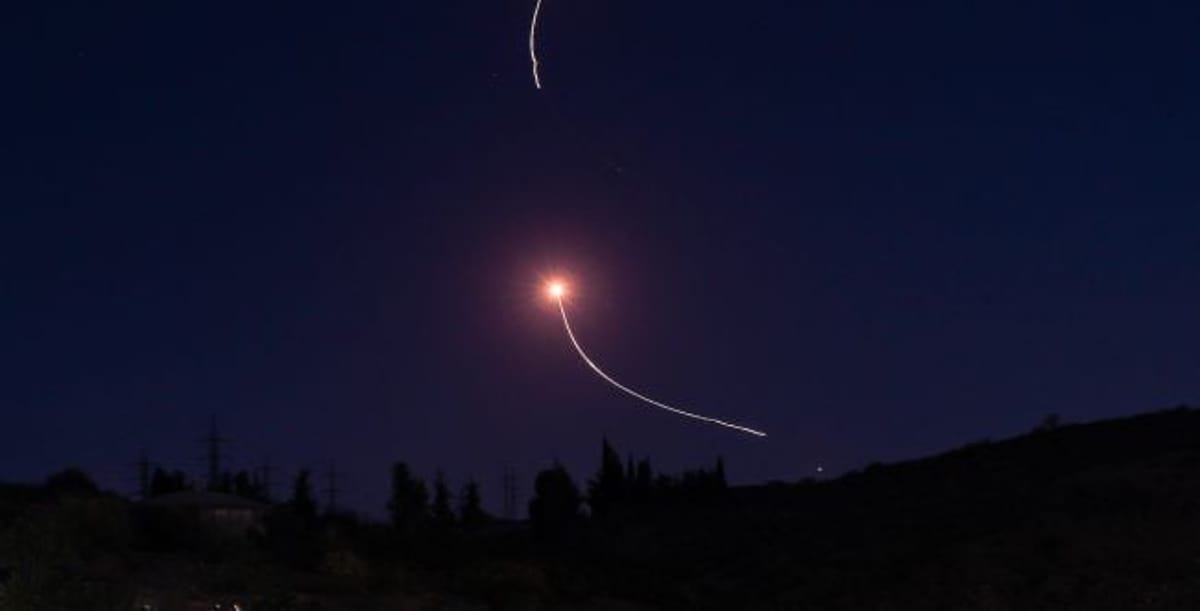

The Islamic Revolutionary Guard Corps (IRGC) has initiated a massive, nationwide military exercise that has sent ripples of anxiety across the Middle East. According to Iranian state television, the maneuvers involve significant missile launches and extensive tests of air defense systems, with high intensity activity reported in major urban centers like Tehran and Shiraz. While the Iranian government maintains that these drills are a routine display of defensive readiness, international observers and intelligence agencies are viewing the mobilization through a much more suspicious lens. Footage shared on social media on Sunday evening appeared to show streaks of fire and interceptor activity over the skies of west Tehran, confirming the scale of the operations.
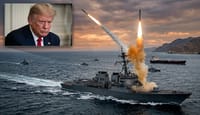
The timing of these drills is particularly sensitive, following a high level meeting between U.S. President Donald Trump and Israeli Prime Minister Benjamin Netanyahu in Florida. During that meeting, Trump delivered a blunt message regarding the potential for renewed Iranian aggression. "Now I hear that Iran is trying to build up again," the President stated, warning that if such a buildup is confirmed, the U.S. will "knock the hell out of them." Trump went even further when asked if he would support an Israeli preemptive strike on Iranian facilities if a deal is not reached, responding with a simple "yes."
Israeli officials have reportedly informed the Trump administration that this specific IRGC exercise may not be a routine drill at all, but rather a deceptive cover for a surprise attack. Intelligence sources recently identified "unusual aerial activity" by the IRGC’s Aerospace Force, noting command and control signals and logistical movements that fall outside of established patterns. Senior military figures in Jerusalem expressed concern that Iran is rapidly repairing its ballistic missile production capabilities following a twelve day war in June, with some estimates suggesting they could soon produce 3,000 missiles annually.
The Iranian leadership appears to be operating in what some analysts describe as "survival mode," facing internal pressure from nationwide protests while simultaneously bracing for external military threats. There are reports that the regime is practicing the synchronization of large scale missile strikes from bases spread across the country to overcome air defense systems. As the drills continue, the risk of a miscalculation grows, with both sides moving toward a preemptive footing. While Tehran claims its programs are purely for territory defense, the heightened synchronization and scale of these latest tests suggest a regime preparing for the possibility of a total war.