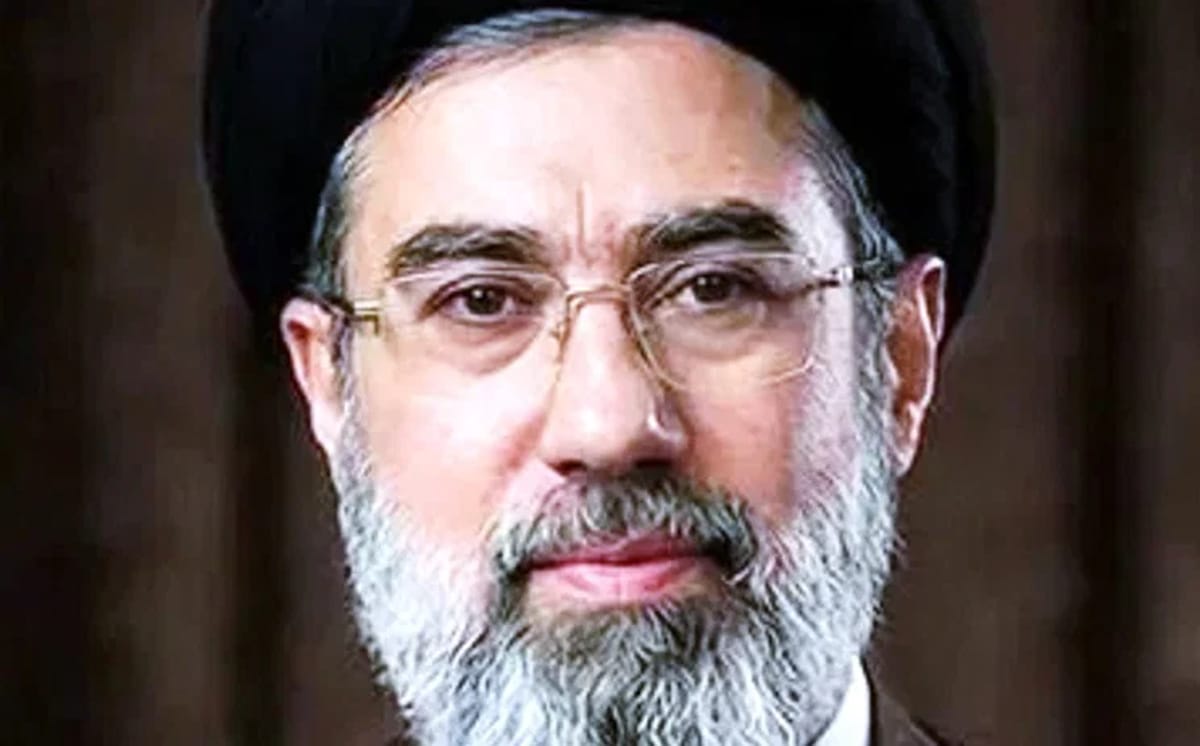
The supreme political authority of the Islamic Republic of Iran has delivered its first official assessment regarding the newly finalized fourteen point memorandum of understanding with the United States, revealing internal executive hesitation before ultimately ratifying the controversial international framework. Breaking hours of strategic silence following the digital execution of the treaty by the White House, Supreme Leader Mojtaba Khamenei issued a comprehensive written communiqué directly to state media networks. The highly calculated messaging sought to project a position of regional strength, framing the sweeping maritime and economic concessions granted by the American administration as a desperate geopolitical necessity for Washington rather than a diplomatic capitulation by the regime in Tehran.
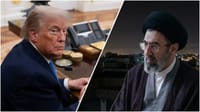
The written address materialized immediately after the White House officially confirmed that the US president had digitally finalized the sweeping diplomatic document during an executive stopover in Paris, placing the fourteen point framework into immediate statutory effect. Refraining from a public, televised appearance, the Iranian leader utilized his written declaration to shape the regional narrative surrounding the sudden end of the economic containment protocols. Khamenei observed that as you know, a memorandum of understanding has been signed between the presidents of Iran and the United States, before asserting that it was the American president who, out of weakness and need, took all available measures to achieve this goal.
The core of the executive message centered on the deep policy friction that occurred within the regime's high commands ahead of the formal signing ceremony, confirming that top clerical leaders harbored severe reservations regarding the long term non proliferation parameters. The supreme leader explicitly acknowledged his initial personal opposition to the diplomatic roadmap, revealing the internal political trade offs required to secure his final sovereign authorization. Khamenei stated that in principle, I had a different opinion, but I gave approval following a commitment given to me by the president, in his role as chairman of the Supreme National Security Council, on his behalf and on behalf of the council members, to preserve the rights of the Iranian people and the resistance front.
The official statement conspicuously omitted any granular reference to the highly lucrative economic provisions embedded within the fourteen point text, avoiding public discussion of the imminent lifting of energy blockades or the repatriation of hundreds of billions of dollars in frozen sovereign capital. This omission has fueled intense blowback across the broader Middle East, where regional defense analysts and international observers are lambasting the White House for dismantling decades of strategic deterrence in exchange for unverified behavioral promises. Prominent Emirati political commentator Amjad Taha issued a stinging public critique of the administration's sudden pivot, writing that the white house had promised a temporary deal but ultimately shook the trust of almost everyone around them.
The geopolitical fallout has triggered immediate defensive counter maneuvers in Jerusalem, where military leaders are actively preparing for a potential breakdown of the temporary diplomatic architecture. Following statements by the US vice president declaring the official commencement of a sixty day regional ceasefire and ordering Israeli forces to refrain from going wild in Lebanon, the domestic defense establishment has escalated its combat readiness. Chief of Staff Eyal Zamir responded to the diplomatic developments by issuing a direct operational directive to the Israel Defense Forces, instructing all combat commands to finalize comprehensive contingency plans for all possible scenarios, explicitly including a direct unilateral strike against Iranian nuclear infrastructure and the immediate resumption of intensive ground operations in Lebanon.