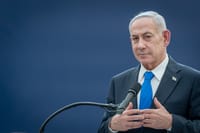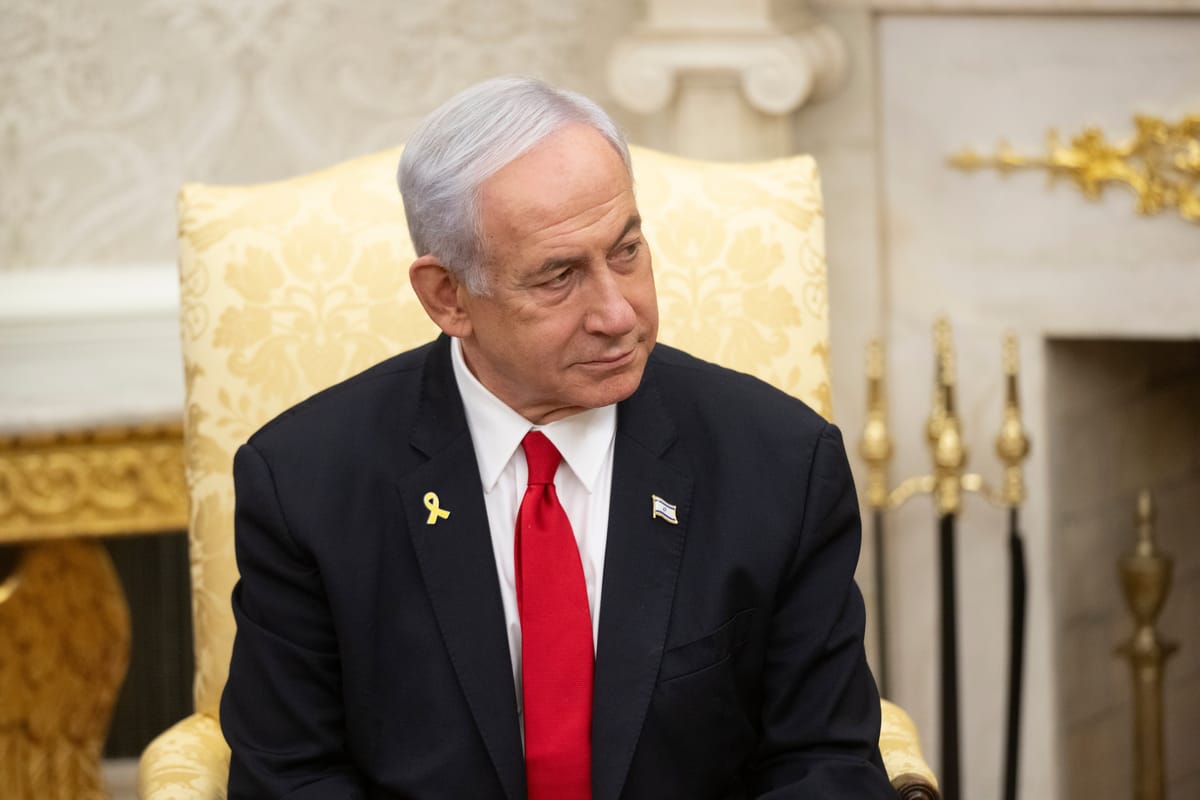
A profound shift in regional defense strategy has been articulated by the Israeli leadership regarding international efforts to contain the development of sensitive military technology. Prime Minister Benjamin Netanyahu used a major television appearance to broadcast a deeply pessimistic assessment of ongoing global diplomatic initiatives. The prime minister signaled a definitive departure from reliance on international agreements, emphasizing that the strategic reality of the region demands a more assertive security posture.
The prime minister's remarks directly challenged the core assumptions of Western diplomatic frameworks that seek to manage regional standoffs through negotiated settlements. Shifting his focus to the broader strategic challenges facing the area, the Israeli leader voiced severe reservations about the effectiveness of conventional diplomatic accords. The prime minister made it clear that historical precedents and current intelligence suggest such frameworks often fail to bind determined adversaries.
The crux of the strategic disagreement centers on the ongoing international efforts to freeze or dismantle advanced nuclear industrial programs through diplomatic treaties. Netanyahu dismissed the notion that back channel talks or formal accords could successfully neutralize long term security threats. "I have doubts as to the possibility of stopping the nuclear program through negotiations", Netanyahu concluded during the broadcast.
This explicit declaration marks a critical turning point in how Jerusalem intends to interface with global powers regarding regional arms control. By openly questioning the utility of international dialogue, the prime minister signaled that robust deterrence remains absolutely essential to preventing further military escalation across the geographic theater. The administration's stance suggests a growing preference for unilateral defensive capabilities and clear red lines over multilateral diplomatic promises to maintain the regional balance of power.