A comprehensive investigation into the security and administrative reality of the coastal territory has revealed a deeply problematic picture nine months after the formal conclusion of the Gaza war. While the fundamental retrieval of hostages was successfully achieved, almost every structural clause designed to reshape the administration, security, and physical infrastructure of the enclave remains entirely paralyzed. The ambitious twenty point peace strategy proposed by United States President Donald Trump to permanently reshape the territory has largely stalled, leaving local terrorist factions in continued control of everyday civilian life.
The core objective of creating a completely demilitarized zone free from hostilities has flatly failed to materialize. Although the structural infrastructure of Hamas suffered immense kinetic damage and numerous high ranking commanders were eliminated during active hostilities, the terrorist organization continues to operate as the de facto authority. The group still maintains an iron grip on local administration, distributing monthly salaries to forty nine thousand public workers who manage daily municipal functions.
Internal military intelligence documents submitted to the political echelon warn that the military wing of the terrorist group is undergoing a massive clandestine reconstruction process. Defense analysts estimate that the armed wing currently commands twenty seven thousand active gunmen. The organization is aggressively recruiting new personnel, manufacturing explosives, and attempting to smuggle advanced weaponry across the southern frontier from Egypt.
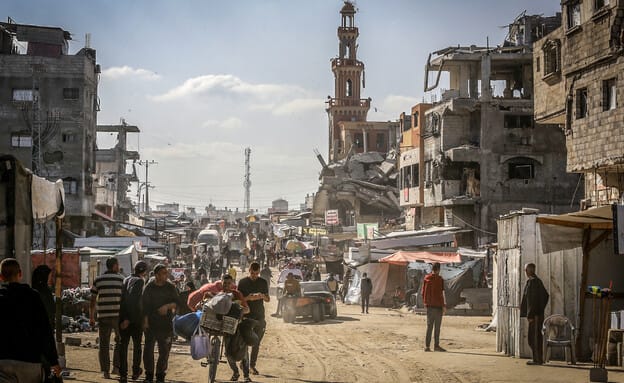
Furthermore, the physical reconstruction of the devastated landscape remains entirely confined to paper. United Nations development agencies estimate that full restoration efforts will cost an astronomical seventy billion dollars and require multiple decades to complete, requiring the removal of fifty five million tons of rubble. Wealthy Gulf nations, including Saudi Arabia and the United Arab Emirates, are refusing to release major funding packages, conditioning all financial aid on the total disarmament of the terrorist factions.
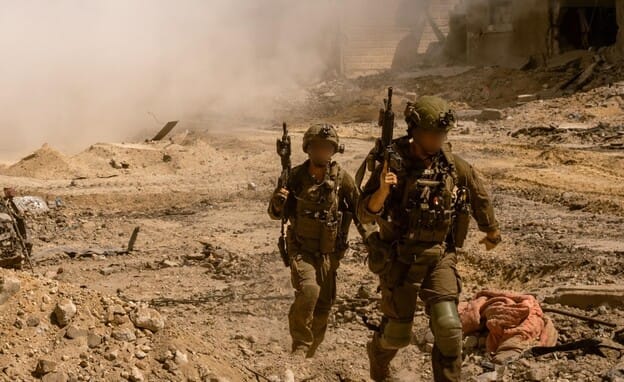
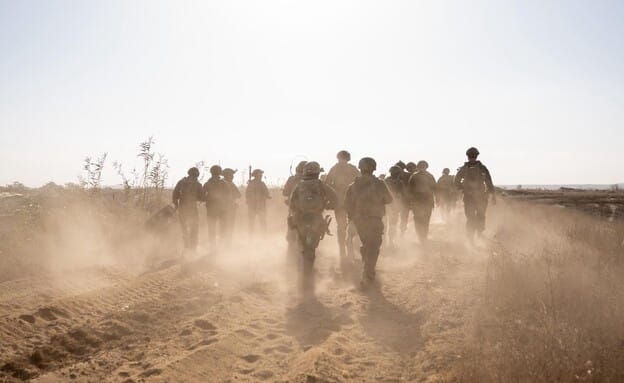
While wide scale combat has paused, a total military withdrawal by Israeli forces has not been completed. Security forces still maintain direct operational control over sixty five percent of the territory, having targeted over seven thousand five hundred terrorist positions via aerial strikes. Complete military withdrawal remains strictly contingent upon a permanent settlement that guarantees the total disarmament of the ruling terrorist regime.
The initial phase of the agreement saw immediate success when living hostages were returned within the designated seventy two hour timeline, though the return of deceased victims took longer. In response, Israel fulfilled its obligations by releasing two hundred fifty prisoners serving life sentences alongside one thousand seven hundred detained individuals. However, the clause offering amnesty to terrorists who lay down their weapons has been rejected, as leadership figures publicly declare that the weapons of the resistance are non negotiable.
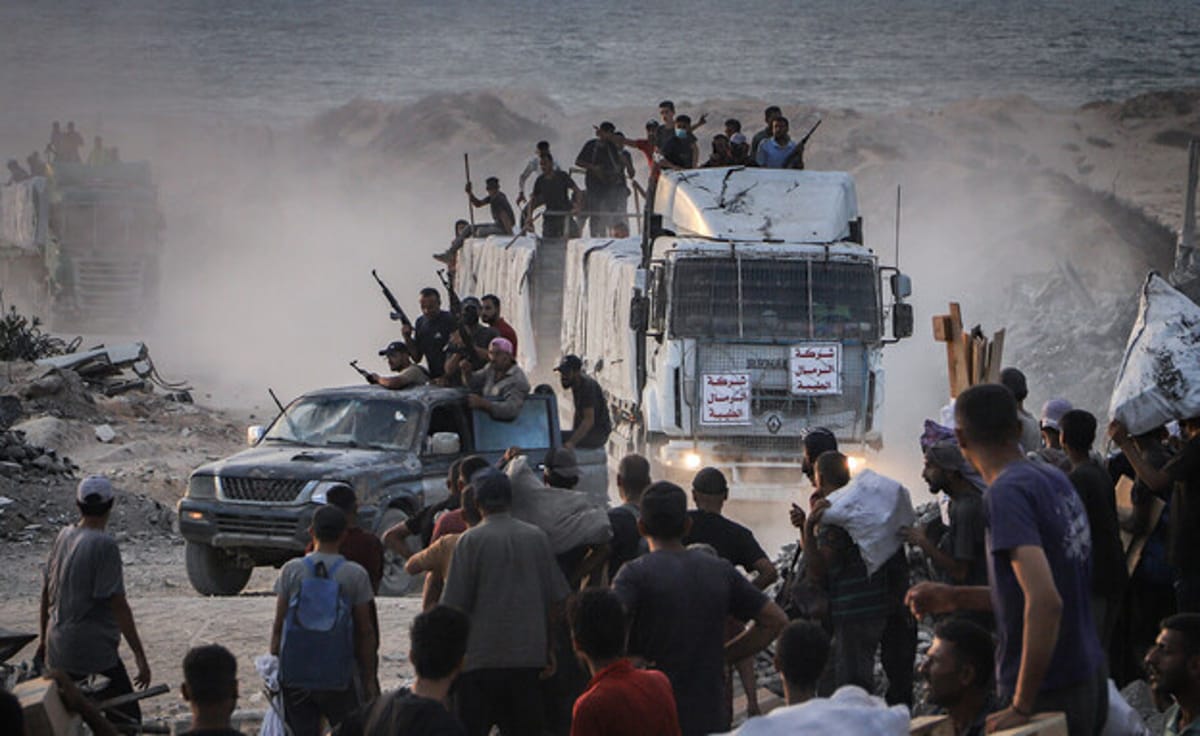
Large scale humanitarian aid has successfully surged to six hundred trucks per day, but serious distribution problems persist. Security officials state that the sheer volume of food entering the strip allows terrorists to hijack supplies, selling them on the black market to fund their own operations. While the Rafah border crossing has reopened under international supervision, the civilian population still faces stringent security screenings and strict quotas to pass.
The most notable governance failure involves the planned implementation of an unaligned, technocratic Palestinian committee to rule the strip. This committee was intended to function under a new international transition body called the Peace Council, chaired by Donald Trump. Although the Peace Council was formally established, terrorists continue to run all local security apparatuses, carry out political arrests, and enforce their own civilian laws.
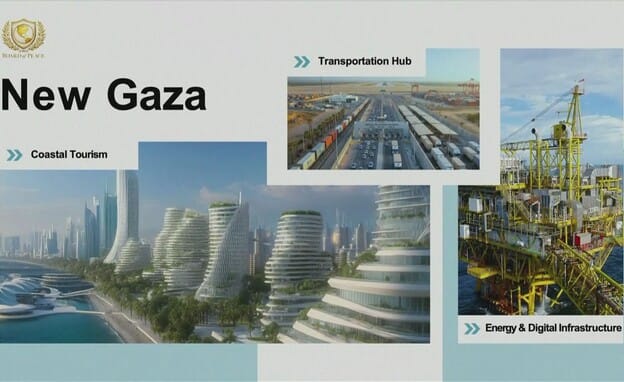
Recent announcements by the terrorist government regarding the dissolution of their emergency committees are largely symbolic maneuvers designed to project flexibility to international mediators. Similarly, the grand economic vision unveiled at the World Economic Forum, featuring modern industrial zones, tourism complexes, and an airport in Rafah, remains frozen. No major infrastructure project has broken ground due to the ongoing failure to secure the absolute demilitarization of the territory.
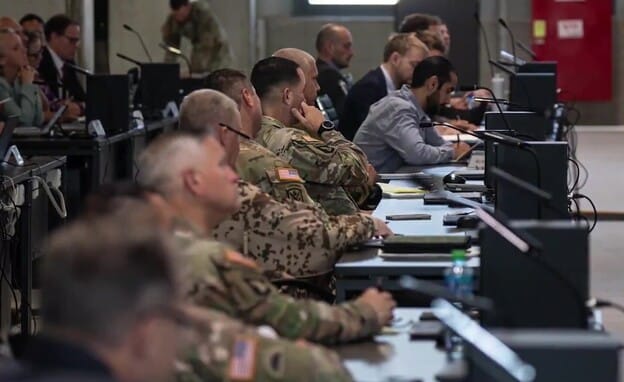
The deployment of the International Stabilizing Force, known as the ISF, has also stalled completely. This specialized security force was slated to train local police, combat weapons smuggling, and coordinate border security alongside Jordan, Egypt, and Israel. While nations like Indonesia expressed an explicit willingness to deploy personnel, the force cannot enter the terrain while local terrorist factions refuse to hand over weapons.
Consequently, broader political goals, including interfaith cultural dialogues and a definitive diplomatic pathway toward safe Palestinian self determination, have seen zero progress. No direct diplomatic talks have commenced between Israeli and Palestinian authorities to establish a peaceful co-existence framework. The reality on the ground indicates that until the core issues of disarmament and civilian governance are solved, the remaining elements of the White House peace plan will stay unfulfilled.