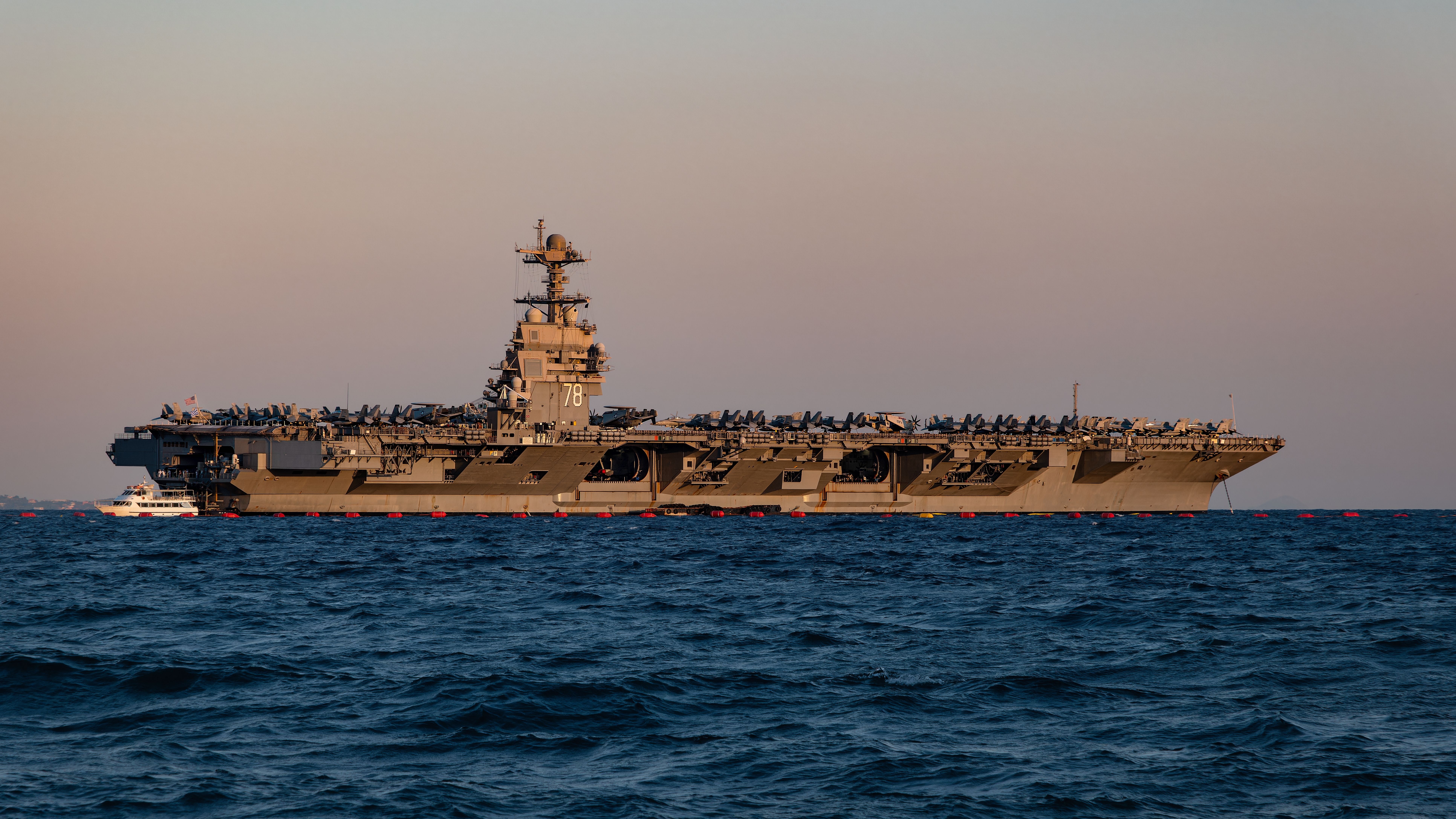
The United States military has taken direct kinetic action in the Persian Gulf theater, executing a targeted aerial strike to enforce a strict international blockade surrounding Iranian waters. The naval engagement marks a significant escalation in Western efforts to completely isolate the financial and logistical pipelines supporting the regime’s regional military campaigns. According to an official statement released by US Central Command, a maritime interception escalated into a live fire engagement when an empty oil tanker operating with direct ties to Iran attempted to bypass the active blockade.
The vessel, identified as the M/T Marivex, was tracking through the Gulf of Oman toward Iranian ports in direct violation of established international shipping restrictions. Naval elements monitoring the sector issued multiple warnings to the crew, ordering them to halt their advance and submit to standard inspection protocols. When the merchant vessel openly defied the lawful orders of the naval fleet, the command structure moved swiftly to disable the ship.
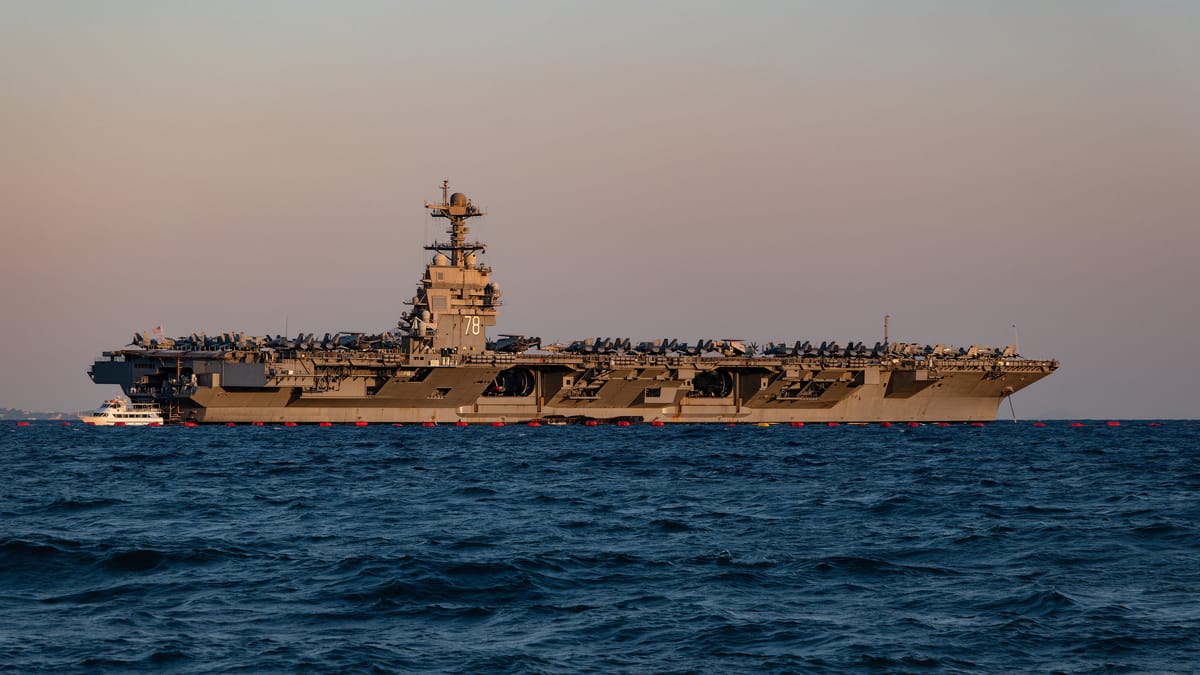
An F/A-18 Hornet fighter jet was immediately launched from the flight deck of the nearby aircraft carrier USS Abraham Lincoln to handle the situation. Central Command noted that the aircraft was scrambled "following non compliance of an empty oil tanker with fleet instructions, and after warnings were ignored, fire was directed toward the engine room and the ship was disabled." The fighter jet fired a single, highly precise air to surface missile that struck the vessel directly in its mechanical compartments, specifically disabling the steering gear.
The tactical strike was carefully calibrated to avoid sinking the ship or causing a catastrophic environmental event, focusing exclusively on destroying the steering apparatus and the main engine room. The vessel was completely immobilized on the water, effectively ending its attempt to violate the maritime security perimeter. Central Command utilized the announcement to provide a broader update on the effectiveness of the current naval operations in the region.
Military statistics reveal that since the inception of the maritime embargo, coalition forces have successfully intercepted or blocked approximately 134 commercial vessels attempting to circumvent the restrictions. These ships were either trying to deliver illicit materials to Iranian ports or export petroleum products to fund regional proxy networks. The deployment of direct air strikes against commercial entities illustrates the uncompromising stance the Pentagon has adopted regarding the enforcement of the war time blockade.