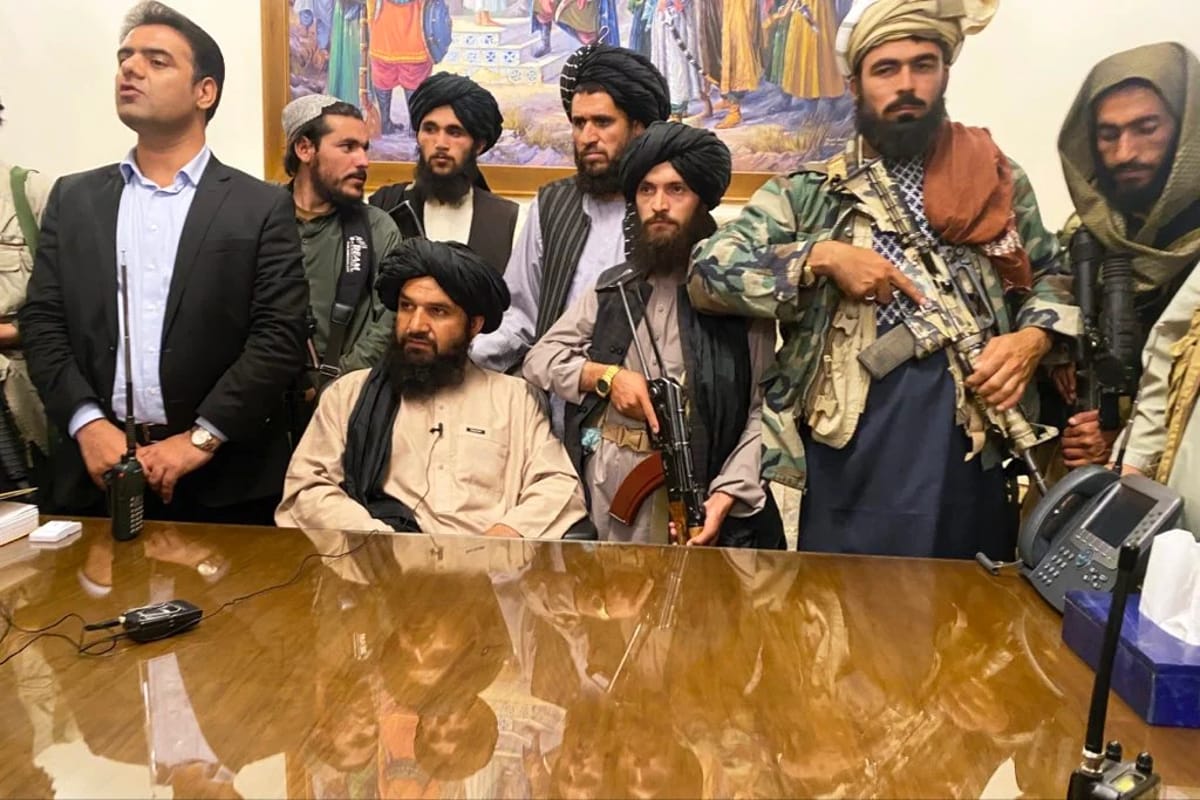
A rare and extraordinary audio leak has pulled back the curtain on the deep fractures within the Taliban leadership, revealing a movement on the brink of internal collapse. In a speech recorded at a religious school in Kandahar in January 2025 and recently brought to light by the BBC, the mysterious Supreme Leader Hibatullah Akhundzada is heard delivering a chilling warning to his followers. He stated that the greatest threat to their "Islamic Emirate" is not international pressure or armed resistance, but the bitter infighting between his own officials. "As a result of these divisions and tensions, the Emirate will collapse and its end will come," the leader said in a statement that is remarkably direct for a man who rarely appears in public.
The leak confirms long standing rumors of a fundamental split between two powerful factions. On one side is the "Kandahar camp," which remains fanatically loyal to Akhundzada and his vision of a primitive, isolated society ruled by strict religious law. On the other side is the "Kabul camp," consisting of powerful ministers and military commanders like Interior Minister Sirajuddin Haqqani and Defense Minister Mohammad Yaqoob. While these men also support a strict version of Islam, they represent a more pragmatic wing that understands the need for international trade, economic development, and even the education of women to maintain a functioning modern state.
The tension between "House Kandahar" and "House Kabul" reached a breaking point in late September when Akhundzada ordered a total shutdown of the internet and telephone networks across Afghanistan. In a move described by insiders as a full scale mutiny, the Kabul faction successfully pressured the Prime Minister to reverse the order just three days later. This act of defiance is almost unheard of in a movement built on absolute obedience to the leader, who is officially considered answerable only to G-d. Haqqani, who still has a 10 million dollar FBI bounty on his head for his history of terrorism, has increasingly voiced concerns that a government that loses the trust of its people cannot survive.
Despite official denials from Taliban spokesmen who describe these clashes as "family arguments," the public rhetoric from both sides continues to sharpen. In December, the Minister of Education, a staunch Kandahar loyalist, warned that a true Islamic government relies on a single leader and total obedience, claiming that "multiple leaders will bring destruction." Meanwhile, the Kabul faction continues to fear that the Supreme Leader's isolationist decrees, such as the ban on girls' education, are turning the population against them. As the mysterious leader remains hidden in Kandahar, the defiance in Kabul suggests that the Taliban’s biggest war may now be the one they are fighting against themselves.