Crisis in Pakistan

48 Hours to War? Pakistan Agrees to Shock Ceasefire as Taliban Demands Emergency Talks 

Pakistan and Taliban reach temporary 48-hour ceasefire agreement following cross-border tensions. Emergency talks aim to address TTP presence and regional security concerns.

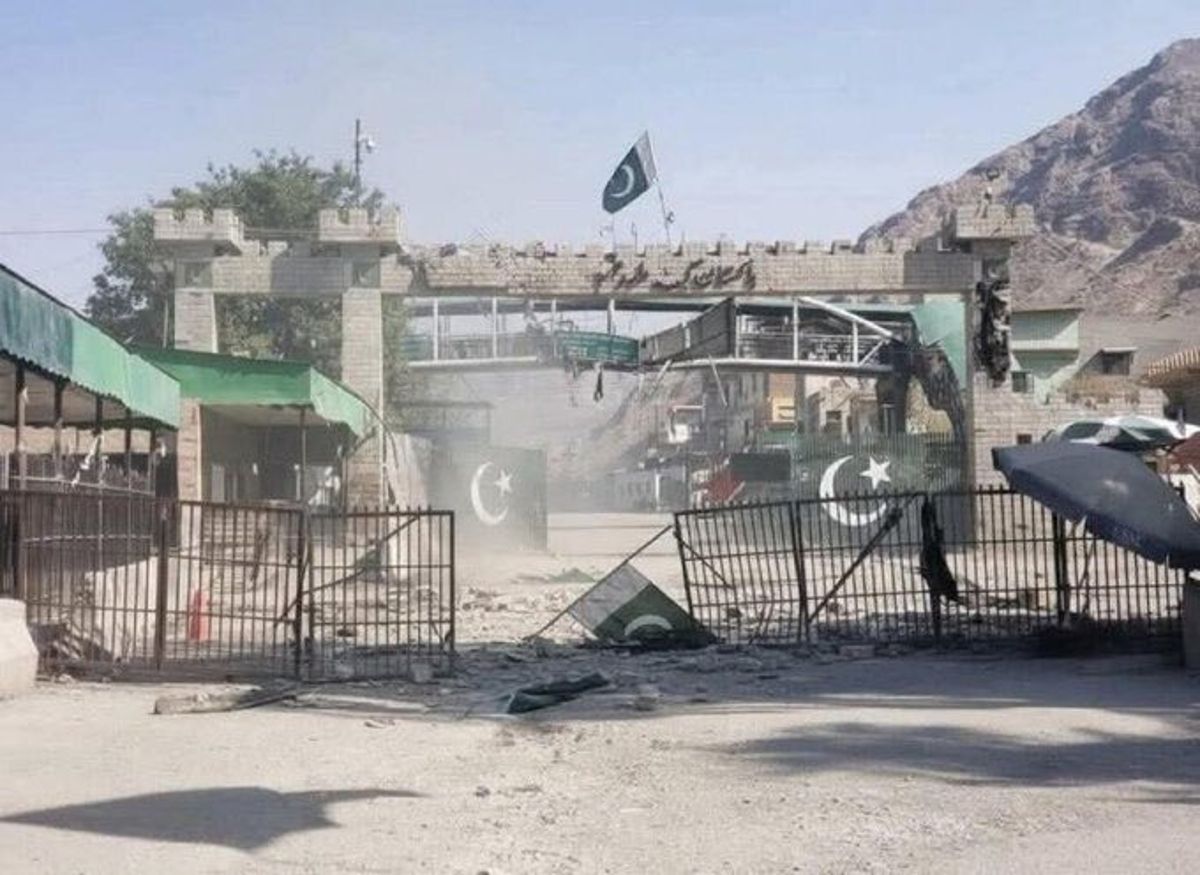
Pakistan scenes, October 15, 2025
Pakistan scenes, October 15, 2025 (Photo: screenshot x/@PathanBhaiii)

In a dramatic reversal from days of deadly cross-border conflict, Pakistan and the Taliban-led administration in Afghanistan have agreed to a 48-hour temporary ceasefire to allow for immediate de-escalation talks. The truce, announced by Pakistan’s Foreign Office, commenced at 6:00 p.m. local time today, providing a vital, albeit fragile, window for diplomacy after one of the most serious flare-ups in relations since the Taliban seized power in 2021.

The agreement comes at the direct request of the Afghan Taliban, which seeks to halt military operations and engage in dialogue following intense clashes that saw both sides claim dozens of casualties.

Crisis Point Reached

The diplomatic move underscores the severity of the crisis that erupted last week. The conflict began after Pakistan reportedly conducted airstrikes on alleged hideouts of the Tehrik-i-Taliban Pakistan (TTP) inside Afghanistan, including locations in Kabul and the border provinces. The strikes were a clear sign of Islamabad’s growing impatience with the surge in TTP attacks on its soil.

The Afghan Taliban retaliated with a major counter-offensive on Pakistani military posts along the Durand Line, forcing the closure of key border crossings like Torkham and bringing the two nations to the brink of a larger conflict. Conflicting reports of casualties highlight the intensity of the fighting, with both sides claiming to have inflicted heavy losses on the other.

A statement from Pakistan’s Foreign Office confirmed the acceptance of the Taliban's request for a pause, adding that "both Pakistan and Afghanistan will make sincere efforts, through dialogue, to find a positive solution to the complex yet resolvable issue."


TTP at the Core of Tensions

The central, intractable issue to be addressed in the coming 48 hours is the continued presence and activity of the TTP on Afghan soil.

Pakistan has repeatedly demanded that the Taliban administration honor its international commitments by taking "concrete and verifiable actions" against the TTP, which Islamabad holds responsible for a massive increase in militant attacks within Pakistan. The Taliban, however, has consistently denied providing a safe haven to the group, often describing the TTP issue as an "internal fight" for Pakistan.

Analysts believe the Taliban's decision to request a ceasefire signals that the recent military escalation has become unsustainable for Kabul, which is already grappling with an economic crisis and international isolation.

The Diplomatic Challenge Ahead

While the temporary ceasefire offers a crucial breathing space, the upcoming talks face steep hurdles. Previous rounds of dialogue, often mediated by the Afghan Taliban, have broken down, leading to the current spike in violence.

The 48-hour window has immediately brought an uneasy calm to the volatile frontier. However, a lasting resolution remains elusive, dependent on whether a breakthrough can be achieved on the fundamental issue of the TTP, a group that the Afghan Taliban maintains a deep ideological affinity with, even as it threatens regional stability.

Ready for more?

Join our newsletter to receive updates on new articles and exclusive content.

We respect your privacy and will never share your information.

Enjoyed this article?

Yes (34)
No (1)
Follow Us:

Loading comments...