Get our mobile app
Download on the App StoreGet it on Google Play

Strategic Shift

Israel Pushes F-15 Sale to Egypt vs. China

Defense establishment working behind the scenes to convince Washington: Better Western jets with built-in limits than opening the door to permanent Chinese military presence on Israel's western border

Israel Pushes U.S. to Approve F-15 Sale to Egypt - to Block China
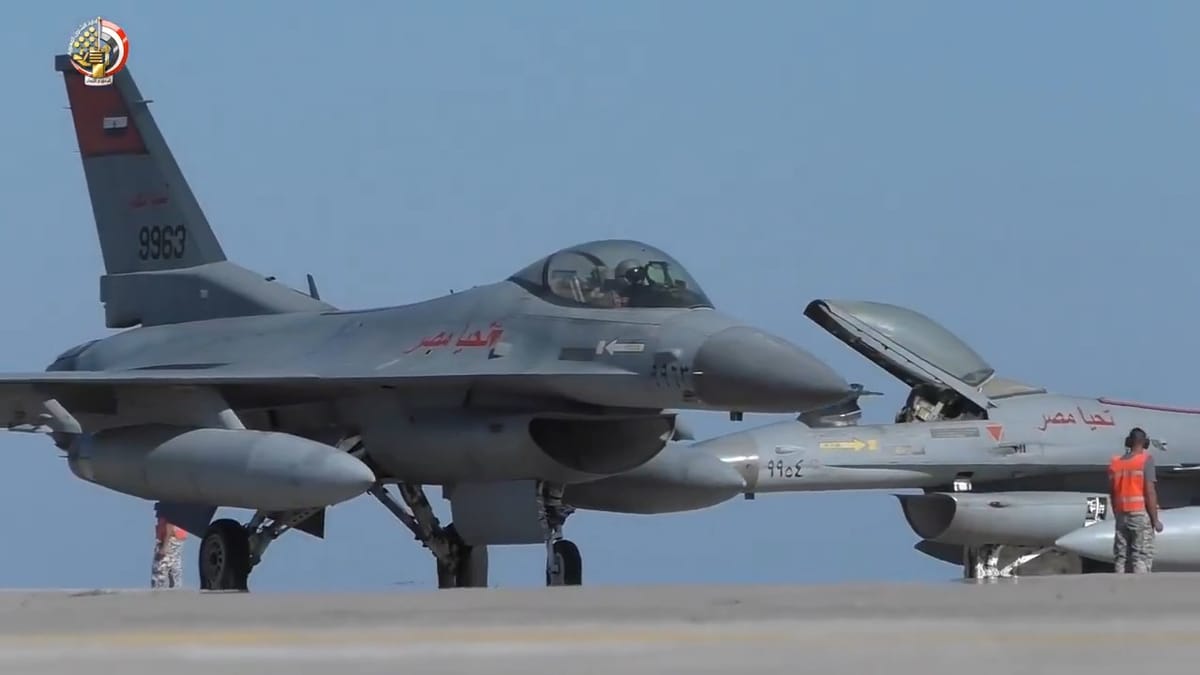
Egyptian military training
Egyptian military training (Photo: Official Military Spokesman of the Egyptian Armed Forces)

As Cairo deepens its military alliance with Beijing and introduces Chinese fighter jets into the skies over the Suez Canal, Israel's defense establishment is applying heavy pressure on the American administration. The goal is to convince the White House and Pentagon to finally approve the sale of advanced F-15 fighter jets to Egypt, preventing the East Asian superpower from creating a threatening military foothold near Israel's western border.

According to reports from Israeli and American sources, Jerusalem views the deepening military ties between Egypt and China as a first-tier strategic threat. Israel's decision to push for approval of the deal stems from genuine pressure in light of Egypt's new strategy, in which Cairo has chosen to pursue a risk-hedging approach and dramatically deepened its relationship with Beijing.
The campaign peaked during the "Eagles of Civilization" joint exercises in 2025 and 2026, which saw advanced Chinese fighter jets land on Egyptian soil, including the J-10C and additional models such as the J-16. Beyond the exercises, foreign sources report advanced contacts for the purchase of radar systems and aircraft manufactured in China. A permanent Chinese military presence in the Suez Canal area represents, from Jerusalem and Washington's perspective, a strategic threat within the framework of "the new Cold War."

The roots of the current crisis stretch back years. Egypt has long been trying to upgrade its air force capabilities but has repeatedly hit political roadblocks. While the United States flatly refused to sell it advanced F-35 fighters, a parallel mega-deal to purchase Sukhoi-35 jets from Russia was torpedoed under heavy pressure and direct threats of American sanctions.

Since then, negotiations surrounding the F-15 deal have stalled and encountered repeated delays in the U.S. Congress. The main reasons for the delays lie in sensitive human rights issues and meticulous reviews of maintaining Israel's QME (Qualitative Military Edge), which is mandated by U.S. law. As a result, any aircraft ultimately supplied to Egypt will need to come with strict technological limitations.

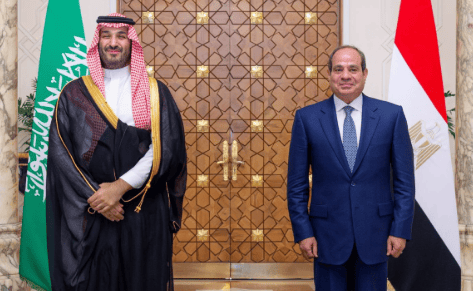
El-Sisi and Mohammed bin Salman this week
El-Sisi and Mohammed bin Salman this week (Photo: CIC)

The paradox behind the Israeli move is clear and obvious to decision-makers: it's far better to help a neighbor arm itself with monitored Western weapons than to leave it open to tempting offers of credit and technology from Beijing. The advantages of acquiring American aircraft include preserving the IDF's qualitative edge, American jets reach foreign markets with a "lower profile" and well-controlled limitations, while China would impose no similar restrictions on its customers.

In addition, complete dependence on American spare parts, maintenance, and software gives Washington (and Israel indirectly) dramatic leverage and the ability to halt supply during a crisis. The move is also designed to block Chinese influence and stop Beijing's military-technological entrenchment in the Middle East and the strategic space of the Suez Canal, while strengthening stability and the peace agreement with Egypt.

Will Washington and Pentagon officials be wise enough to accelerate the deal and give it the green light, or will the bureaucratic drag will continue, opening a door for China that will be very difficult to close later?

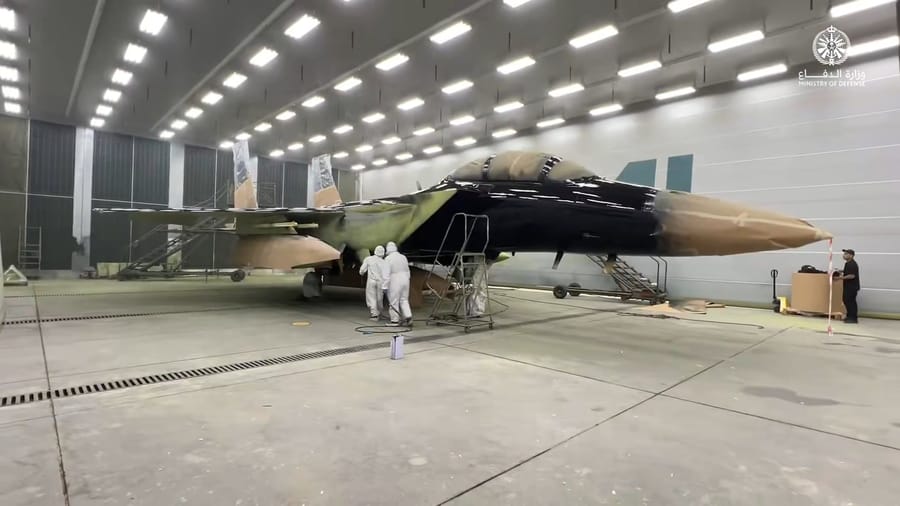
Saudi Arabia's fighter jets
Saudi Arabia's fighter jets (Photo: Ministry of Defense of the Kingdom of Saudi Arabia)

Meanwhile, regional tensions continue to escalate. Saudi Crown Prince Mohammed bin Salman's visit to Cairo this week appeared on the surface to be just another Arab summit meeting, but it's hard to ignore the elephant in the room. The Houthis in Yemen have succeeded in turning Bab el-Mandeb into a strategic lever capable of simultaneously pressuring Saudi Arabia, Egypt, and the global energy and trade markets.

Bin Salman arrived in Egypt precisely as the campaign against the Houthis resumed its escalation. According to Reuters, the Houthis have expanded their control along Yemen's western coast and in the Bab el-Mandeb area, while Saudi Arabia is again facing missile and drone attacks and a real threat to its export routes. Egypt may not be a primary target of Houthi missiles, but it's paying a heavy economic price. President el-Sisi said the country has lost approximately ten billion dollars in Suez Canal revenues due to crises that have damaged shipping traffic in the Red Sea.

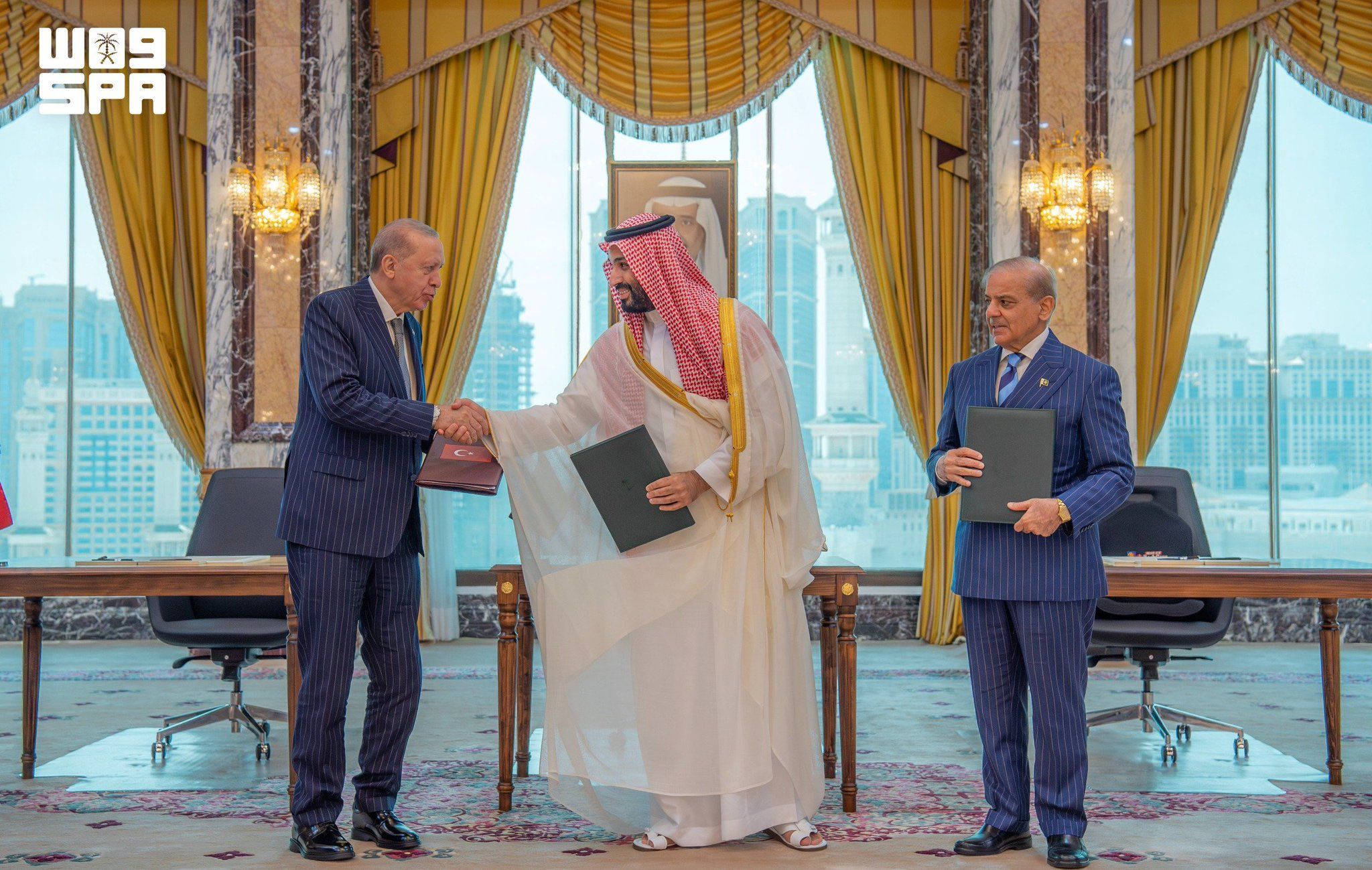
Mecca Agreement
Mecca Agreement (Photo: Ministry of Foreign Affairs of the Kingdom of Saudi Arabia)
Ready for more?

Join our newsletter to receive updates on new articles and exclusive content.

We respect your privacy and will never share your information.

Enjoyed this article?

Yes
No
Follow Us:

Unmissable content


Loading comments...

Also of Interest