Get our mobile app
Download on the App StoreGet it on Google Play

Straight from the production line

Egypt asks US for F-16s; Israel silent

Cairo has submitted a formal request to Washington for advanced F-16 Viper Block 70 fighters straight from the production line, in a move that would dramatically upgrade the Egyptian air force --- and Jerusalem is choosing not to object

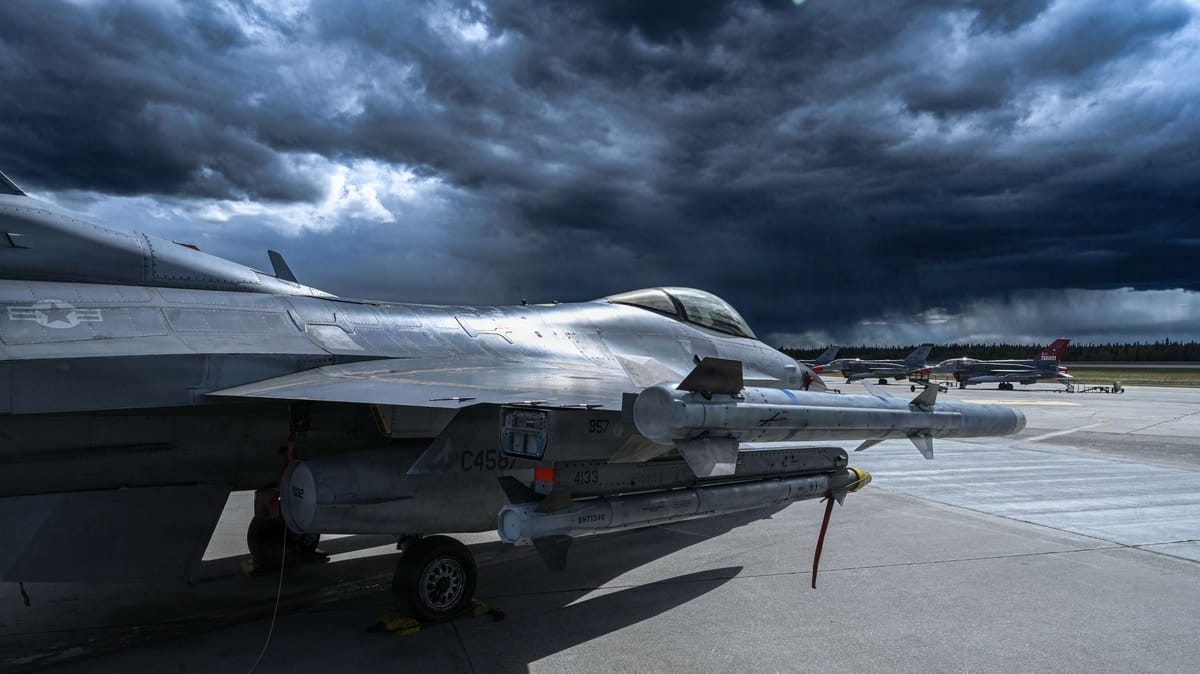
US fighter jets
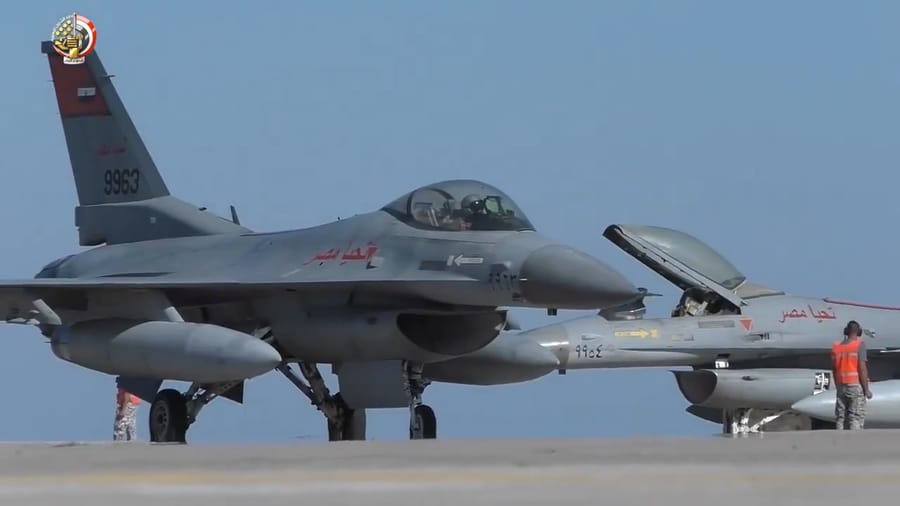
The Egyptian military arms itself
The Egyptian military arms itself (Photo: Egyptian Armed Forces official account)

At the recent El Alamein air show, Egypt submitted a formal and discreet request to the United States to purchase brand-new F-16 Viper Block 70 fighter jets directly from Lockheed Martin's production line. The Egyptian request marks a significant step in an effort to replace the ageing fleet of the Egyptian air force.

Cairo operates one of the largest F-16 fleets in the world, comprising some 220 to 240 aircraft. But around 129 of them are ageing airframes from the 1980s and 1990s that have reached the end of their operational lives. The current request is designed to address the threats expected in 2030, according to assessments by professional sources.

A technological leap

The Block 70 model offers a substantial upgrade in combat capabilities. The advanced APG-83 AESA radar is based on technologies developed for the F-22 and F-35, and provides detection, tracking and electronic-warfare capabilities that Egypt has never had. The aircraft includes new avionics systems, a modern mission computer and an advanced electronic-warfare system, the Viper Shield by L3Harris.

The new aircraft provide 12,000 flight hours compared to 6,000 hours in the older models, effectively doubling the airframe life. The technological upgrade allows Egypt to maintain operational relevance against the evolving threats in the region.

Egypt pursues a policy of diversifying its military suppliers. Alongside contacts with Washington, it is holding discussions with the French on additional purchases of Rafale jets, including F3R variants with long-range cruise missiles. In addition, Cairo is examining Chinese alternatives such as the J-10C and the J-31 stealth fighter.

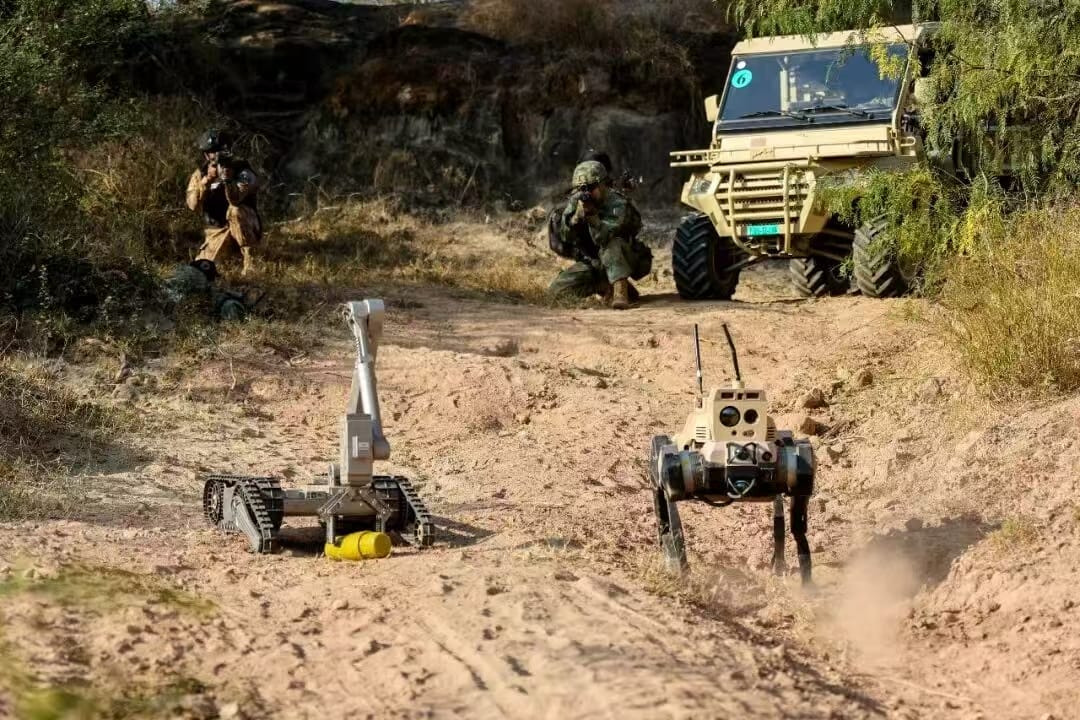
Operational warfare
Operational warfare (Photo: China Ministry of National Defense)
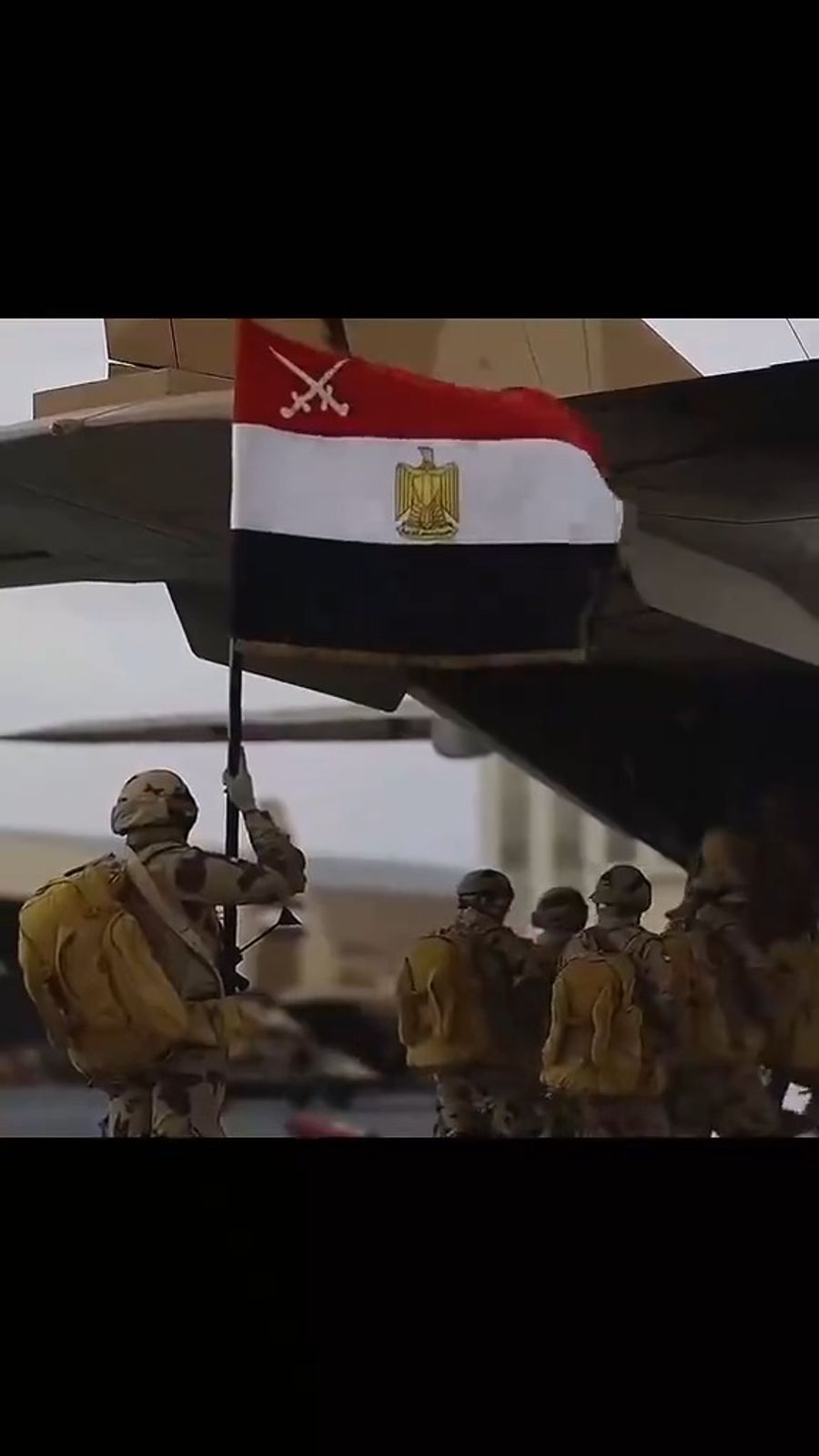
Egyptian army training
Egyptian army training (Photo: Official Spokesman of the Egyptian Armed Forces)

The request to the United States sends a clear message that Cairo seeks to remain in the Western camp, but does not want to be taken for granted. The Egyptian strategy is based on balancing different sources of weaponry while maintaining ties with the major powers.

Unlike in the past, when Israel strongly opposed advanced arms deals to Egypt, this time it appears not to be objecting and may even be quietly supporting the move. The reason lies in the fact that it is preferable for Egypt to purchase American F-16s that come with software restrictions, oversight and leverage over armament and spare parts, rather than Chinese aircraft with no strings attached.

US law requires the preservation of Israel's qualitative military edge (QME), so the most advanced air-to-air missiles are expected to be restricted. The gap between the Egyptian jets and Israel's "Sufa" and "Barak" F-16s will be maintained, in addition to the absolute superiority of the F-35 "Adir" fleet.

The United States recently transferred a military-aid package worth $320 million to Egyt, with no conditions attached on human rights and democracy. The decision was justified by the "helpful role" that Cairo played since the launch of Operation "Iron Swords" in February. The total annual military aid that the United States provides to Egypt stands at around $1.3 billion a year.

The Egyptian air force is becoming a multi-arena force capable of intercepting drones and cruise missiles and projecting power in the Mediterranean and in Africa. According to Global Firepower data for 2026, Egypt ranks 19th in the world thanks to a combination of massive manpower and quantitative strength. The Egyptian military numbers around 438,500 active-duty soldiers, alongside some 479,000 reservists and 300,000 internal security personnel.


Ready for more?

Join our newsletter to receive updates on new articles and exclusive content.

We respect your privacy and will never share your information.

Enjoyed this article?

Yes
No
Follow Us:

Unmissable content


Loading comments...

Also of Interest