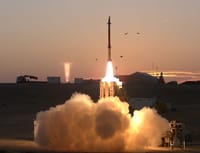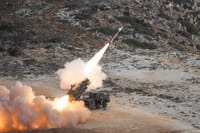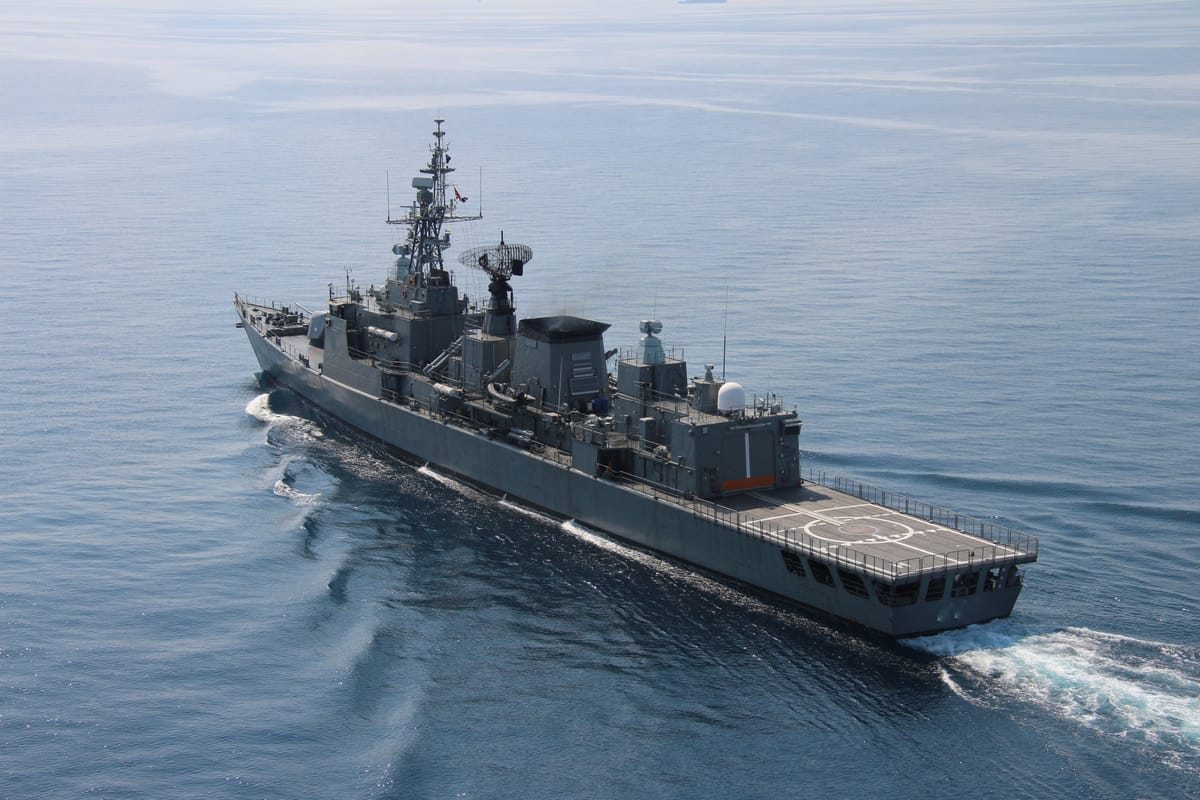
In a potential turning point for regional involvement in the war, the United Arab Emirates is reportedly preparing to take an active military role alongside the United States to reopen the Strait of Hormuz. According to reports from the Wall Street Journal, Abu Dhabi is currently evaluating several ways to assist in the effort, including mine-clearing operations and providing security for international shipping vessels. This move would make the UAE the first Gulf nation to move from a diplomatic or supportive role to active military participation in the campaign against the Iranian regime. Emirati officials are also reportedly lobbying for a UN Security Council resolution that would formally authorize military action to ensure the freedom of navigation in the strategic waterway.
Securing Strategic Islands
A key component of the discussions involves the potential seizure of strategic islands in the Strait that are currently under Iranian control, such as Abu Musa. Emirati officials have suggested that the United States take control of these locations to prevent the Iranian Revolutionary Guard from using them as launch pads for anti-ship missiles and drone attacks. The UAE’s leadership believes that the Iranian regime currently views the war as a struggle for its own survival and is therefore willing to cause a global economic catastrophe by blocking the 20% of the world’s oil supply that passes through the Strait. "There is a broad global consensus for maintaining the freedom of navigation," an Emirati spokesperson emphasized, signaling that the pressure on Tehran is reaching its breaking point.
The UAE’s shift toward military action reflects a growing realization among regional powers that diplomatic talk alone will not reopen the Strait. By providing local expertise and specialized naval assets, the UAE would significantly bolster the American-led coalition's ability to secure the area. The involvement of a major Arab military power also provides crucial regional legitimacy to the operation. While the Iranian regime continues to insist that the Strait will remain closed, the buildup of a multi-national coalition led by the U.S. and supported by the UAE suggests that a forced reopening is imminent. As the economic toll of the blockade mounts, the move to reclaim the Strait is being viewed as an essential step to prevent a total collapse of global energy markets.