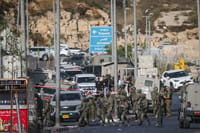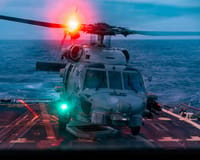
In a significant update regarding regional stability, IDF Chief of Staff Eyal Zamir provided his first public assessment of a potential United States military operation against Iran. Speaking over the weekend, the General emphasized that while the Israeli defense establishment is preparing for every possible scenario, the final decision rests solely with President Donald Trump. These comments come as the United States rapidly expands its defensive and offensive footprint across the Middle East, deploying advanced anti-missile systems and elite fighter squadrons to protect against a likely Iranian response. Despite a perceived diplomatic lull last week, military movements on the ground suggest that the gears of war are turning, with the arrival of high-performance aircraft and missile shields signaling a state of peak combat readiness.
The President’s Prerogative and Military Buildup
According to reports from Michael Shemesh, Chief of Staff Eyal Zamir clarified that the timing of any American intervention remains fluid and highly centralized. "No date has been set for an American attack on Iran, and everything is in the President's head. From our perspective, anything can happen," Zamir stated. This assessment highlights the unpredictable nature of the current administration's strategy, which balances intense psychological pressure with physical preparations for a massive strike.
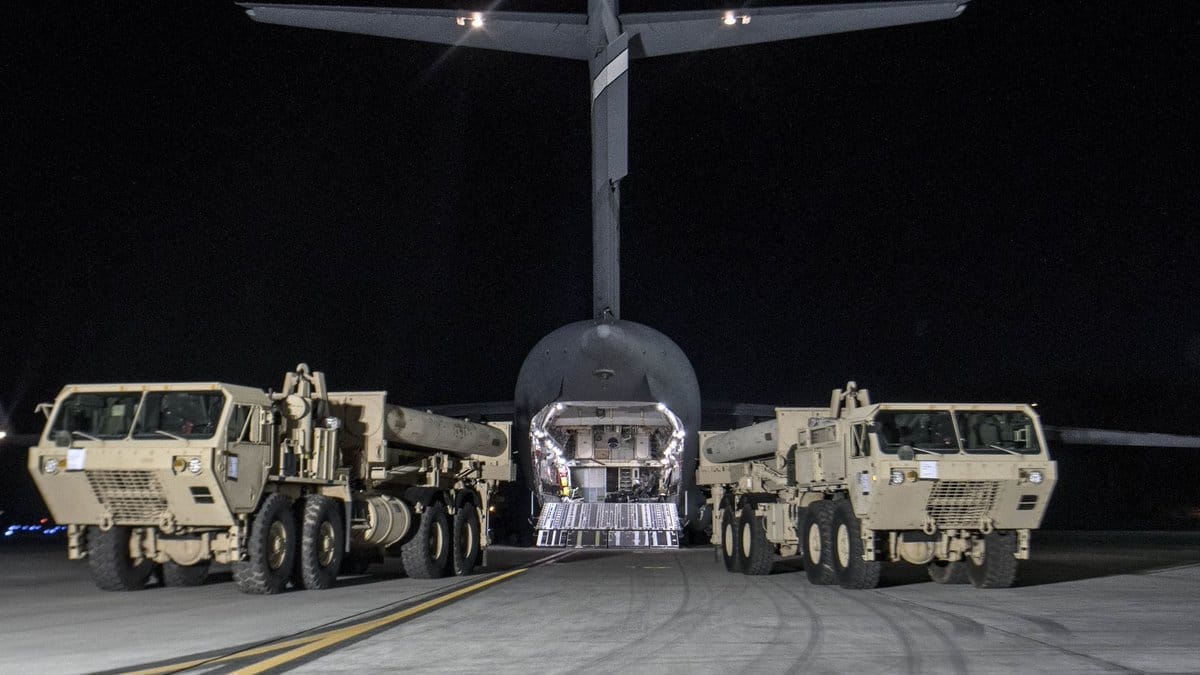
The physical evidence of these preparations is becoming impossible to ignore. In recent days, the United States has moved advanced Patriot and THAAD (Terminal High Altitude Area Defense) systems into the region. These platforms are specifically designed to intercept the kind of long-range ballistic missiles that the Iranian regime would likely use in a retaliatory strike against American bases or Israeli cities. By establishing this defensive umbrella, Washington is effectively neutralizing Iran’s primary deterrent, giving the President the strategic freedom to order an attack without the fear of a devastating counter-offensive.
Strike Eagles and Regional Stability
Adding to the tension, U.S. Central Command (CENTCOM) confirmed the arrival of F-15E Strike Eagle aircraft from the 494th Expeditionary Fighter Squadron. These jets, known for their ability to perform deep-strike missions in all weather conditions, have been integrated into the CENTCOM area of operations. An official statement noted that the presence of these aircraft "improves combat readiness and promotes regional security and stability," though analysts view the deployment as a clear signal of intent. The F-15E is a primary tool for taking out heavily fortified targets, such as underground nuclear facilities or command bunkers.
While some observers believed that Trump might be backing away from a military solution following last week's diplomatic maneuvers, the consensus among global intelligence agencies remains that a strike is still very much on the table. The combination of elite air power and sophisticated missile defense systems suggests that the U.S. is not just posturing, but is actively hardening its positions for a war. For the IDF, the message is one of constant vigilance. As General Zamir noted, the transition from a "waiting game" to a "decisive strike" could happen at a moment's notice, leaving the Iranian regime with few options as the American vise continues to tighten.