A senior United States administration official has confirmed that the highly anticipated formal signing of a peace treaty between Washington and Tehran will not occur today, dampening expectations of an immediate diplomatic breakthrough. The official revealed that while a broad structural framework has been established, multiple critical details and specific operational terms remain entirely unresolved between the negotiating teams. The White House indicated that both parties are currently locked in delicate discussions over precise legal terminology, noting that specific phrasing carries immense strategic weight for each nation.
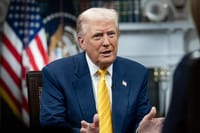
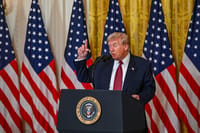
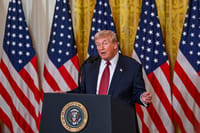
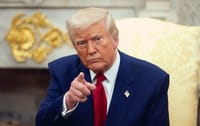
This diplomatic update matches statements from United States President Donald Trump, who publicly addressed the developing negotiations by asserting his absolute personal control over the final outcome of the treaty. The President emphasized that he refuses to authorize flawed diplomatic agreements, stating that if any official news emerges from the White House, it will strictly consist of favorable terms for American security interests. Despite the optimistic rhetoric from the executive branch, senior aides admit that navigating the rigid bureaucratic architecture of the current Iranian regime requires several additional days to secure all mandatory governmental approvals.
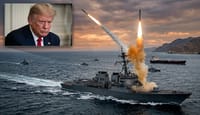
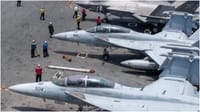
International security correspondents reported that a primary point of friction involves a specific American security demand outlining the post-war placement of Western military personnel. According to leaked details published by regional news outlets, the White House is demanding that United States troops remain deployed directly adjacent to Iranian borders for a mandatory thirty-day transitional phase. High-ranking Iranian negotiators have aggressively opposed this clause, viewing the physical presence of foreign forces as a direct infringement on their national sovereignty and a threat to internal security.
Despite these significant obstacles, intelligence analysts operating within Western capitals maintain a firm understanding that Iranian Supreme Leader Mojtaba Khamenei has already granted his personal authorization to the broad parameters of the deal. This internal compliance from the highest levels of the regime suggests that the core framework remains intact despite the public posturing from diplomatic representatives. However, administration officials emphasize that it remains entirely uncertain whether these preliminary understandings will successfully mature into a definitive, binding peace pact, leaving the ultimate outcome of the war an open question.