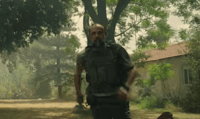

Fauda's fifth season reached the top ten on Netflix in 43 countries within 24 hours of its global release on September 8, and by Saturday stood sixth among the platform's most-streamed television titles worldwide. It also went to number one in Lebanon.
The eleven-episode season, which aired in Israel on Yes in May and was shot in Israel and Hungary, is set two years after October 7. Its seventh and eighth episodes go back to the day itself, following the characters through the Nova festival grounds and the hours in which rescue did not arrive. Both carry a 9.3 rating on IMDb, and both have driven most of the reaction.
Much of that reaction has come from viewers with little prior exposure to the events. Israeli users reported feeds filling with posts from German and Dutch viewers describing shock at the material. Discussion has been heavy in Italy, India, Brazil, Britain and the United States. The Brazilian cartoonist Luciano Pires wrote that the series has always been uncomfortable and that this season is a gut punch.
Lior Raz told Ynet the scale had caught the production off guard. The success at this level surprises them, he said, adding that they had not anticipated the intensity of the response internationally or what is happening with the show in Arab countries. Speaking before the launch, Raz said the aim was not to document the day but to place the characters inside it accurately, and told the New York Times he wanted viewers to see what Israelis felt.
The Lebanese ranking is the most unusual figure in the data, given the country's boycott law. A Lebanese campaign has previously accused Netflix of breaking that law by carrying Israeli productions, naming Fauda specifically and describing it as promoting a security narrative drawn from people who served in the Israeli military.
Criticism elsewhere in the Arab world has focused on the cast rather than the plot. The Qatari-owned Al-Araby Al-Jadeed marked the release by circulating posts alleging that actors from the series took part in the war of 'genocide' against Gaza, pointing to Idan Amedi, who was seriously wounded serving in Gaza in January 2024, and to remarks it attributed to Doron Ben-David in 2023.
Netflix and Yes have not announced a sixth season.