Inside a sealed car exposed to direct sunlight, temperatures can climb rapidly to dangerous levels. Researchers studying the phenomenon have documented temperature spikes of 10 to 20 degrees Celsius above external air temperature within just minutes, with sustained exposure producing internal temperatures of 50 to 60 degrees Celsius or higher, depending on the outside heat and level of sun exposure.
The dashboard, seats and other interior surfaces absorb solar radiation and release that energy as heat into the enclosed space. Without air circulation, that accumulated warmth cannot dissipate. A child's body can experience heat stress and organ damage at temperatures that would be uncomfortable but survivable for an adult, making the danger acute even over brief periods.
Prevention Steps
Israel Police and Maccabi Health Services have issued guidance to parents and drivers aimed at preventing child-left-in-car incidents. The recommendations include verifying that the vehicle is completely empty before exiting, placing personal items such as bags or wallets in the back seat as a reminder to check the rear before leaving, and establishing a routine conversation with household members confirming the child's safe arrival at the destination.
Additional safety measures include installing dedicated alarms in car seats that activate if pressure is removed while the vehicle remains running, using mobile phone reminders, and avoiding distraction while driving. Maccabi Health Services emphasizes that even momentary lapses, leaving a child alone "just for a moment," can result in life-threatening heat exposure.
Medical professionals also recommend that any parent of a child under age three adopt systematic checks: verbally counting children when exiting the vehicle, establishing a ritual of inspection before locking the car, and communicating planned stops to a spouse or caregiver who can provide an independent reminder.
Pattern in Summer Months
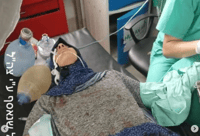
The Eiron rescue is one of several similar incidents Israel experiences each summer. Emergency responders have reported an uptick in such incidents during July and August, when temperatures in sealed vehicles can become lethal within 15 to 20 minutes. Police say that speed of response is critical, minutes can determine whether a rescue results in full recovery, permanent harm, or death.