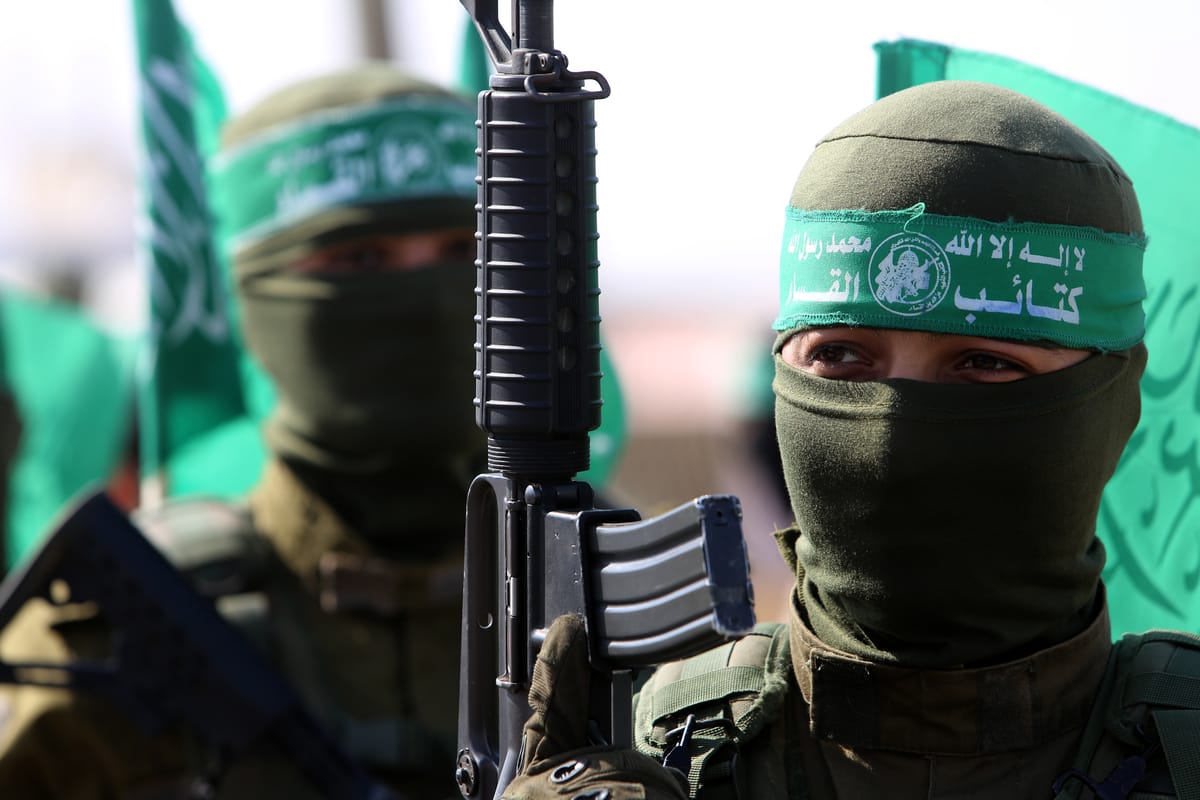
The Israeli defense establishment has issued a severe and unambiguous warning regarding the rapidly deteriorating security situation inside the Gaza Strip. Behind closed doors, top military commanders and intelligence officials are signaling that the coastal enclave has reached a dangerous tipping point. Despite the current focus on northern fronts, security personnel emphasize that a return to intense, large scale operations is fast becoming inevitable.
According to intelligence gathered from frequent internal security meetings held over the past week, Gaza is currently described as being on the verge of boiling. The prevailing and firm assessment among the military echelon is that a return to intense and widespread fighting inside the strip is no longer an open question. High ranking officials made the reality clear during classified briefings, stating that the question is no longer 'if', but 'when'.
The alarming situational report indicates that the Hamas terror organization is far from surrendering or dismantling its remaining weapons infrastructure. Instead, the group is explicitly exploiting the current period where the primary attention of the IDF and political leadership is directed elsewhere. With精 Israeli eyes fixed primarily on regional threats from Iran and Lebanon, Hamas terrorists have worked consistently to rehabilitate their command structures and rearm their cells.
This strategic distraction has allowed the group to actively prepare for the next inevitable war against Israel. Because of these deeply concerning trends, senior defense officials have significantly sharpened their tone in recent strategic debates. Recent internal discussions feature far fewer question marks and many more clear exclamation points regarding the dangerous trajectory of the coastal territory.
In response to these strategic warnings, the military is not sitting idly by and continues its tactical doctrine of targeted killings inside the strip. Just recently, the military announced another significant elimination, successfully striking down a battalion commander within the Rafah brigade of Hamas. This operation marks an escalation in both the scope and quality of pinpoint strikes against the leadership chain of the terror group.
While these precision strikes inflict important damage on the command structure, defense officials strongly emphasize that they are simply not enough. These localized operations are insufficient to halt the comprehensive reconstruction trend being carried out by Hamas. Israeli security experts make it clear that a major step forward will be required to truly disrupt the ongoing buildup of terror capabilities.
However, launching a renewed, full scale war inside the Gaza Strip involves highly complex international diplomatic constraints. High ranking officials note that in order to engage in full scale combat operations, Israel will ultimately require explicit authorization and political backing from United States President Donald Trump. Consequently, despite the undeniable operational urgency voiced in military circles, the diplomatic equation with Washington remains a decisive factor in shaping the next steps of the war.