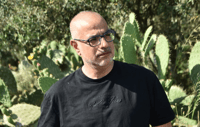
Harrowing Tales of Captivity
Horrific details of Hostage Abuse in Hamas captivity begin to emerge
Former hostages Yosef Chaim Ohana and Rom Braslavski recount two harrowing years in Hamas captivity, describing starvation, beatings, and cruel confinement. Ohana drew strength from hearing his father’s voice over the radio, while Braslavski defiantly refused to renounce his faith, calling himself “a strong Jew.” Their stories reveal unimaginable suffering and resilience.

As the final living Israeli hostages returned home under President Trump's brokered Gaza ceasefire, a torrent of raw, unfiltered testimonies has poured forth from survivors of the 471-day nightmare in Hamas captivity.
Abducted during the October 7, 2023, terror onslaught that claimed 1,200 Israeli lives and saw 251 taken, these stories, now cleared for release, paint a portrait of psychological torment, calculated brutality, and flickers of defiance amid the tunnels and ruins of Gaza.
Avinatan Or: From Sayeret Rimon to Tunnel Hell
Captured from his car on Highway 232, Or described to Haaretz being dragged through Gaza's labyrinthine tunnels, blindfolded and beaten, with guards taunting him about "Jewish spies." For months, he was chained in a 6x6-foot cell, fed scraps amid blackouts, and subjected to mock executions. "They played recordings of October 7 screams to break us," Or recounted, his deception about his unit sparing him targeted torture.
Yosef Chaim Ohana:
Ohana, a Givati Brigade fighter and commander, succeeded in masking his military role entirely from Hamas interrogators, as revealed by his father in a post-release interview. Abducted from the Nova music festival, Ohana faced relentless questioning but deflected with tales of being a mere settler.
His 18 months underground involved starvation rations bread and tainted water and psychological warfare, including forced viewings of propaganda videos glorifying the attacks. "He whispered Tehillim [Psalms] to stay sane," his father said, noting how Ohana's training helped him map tunnels mentally, info now aiding IDF intel.
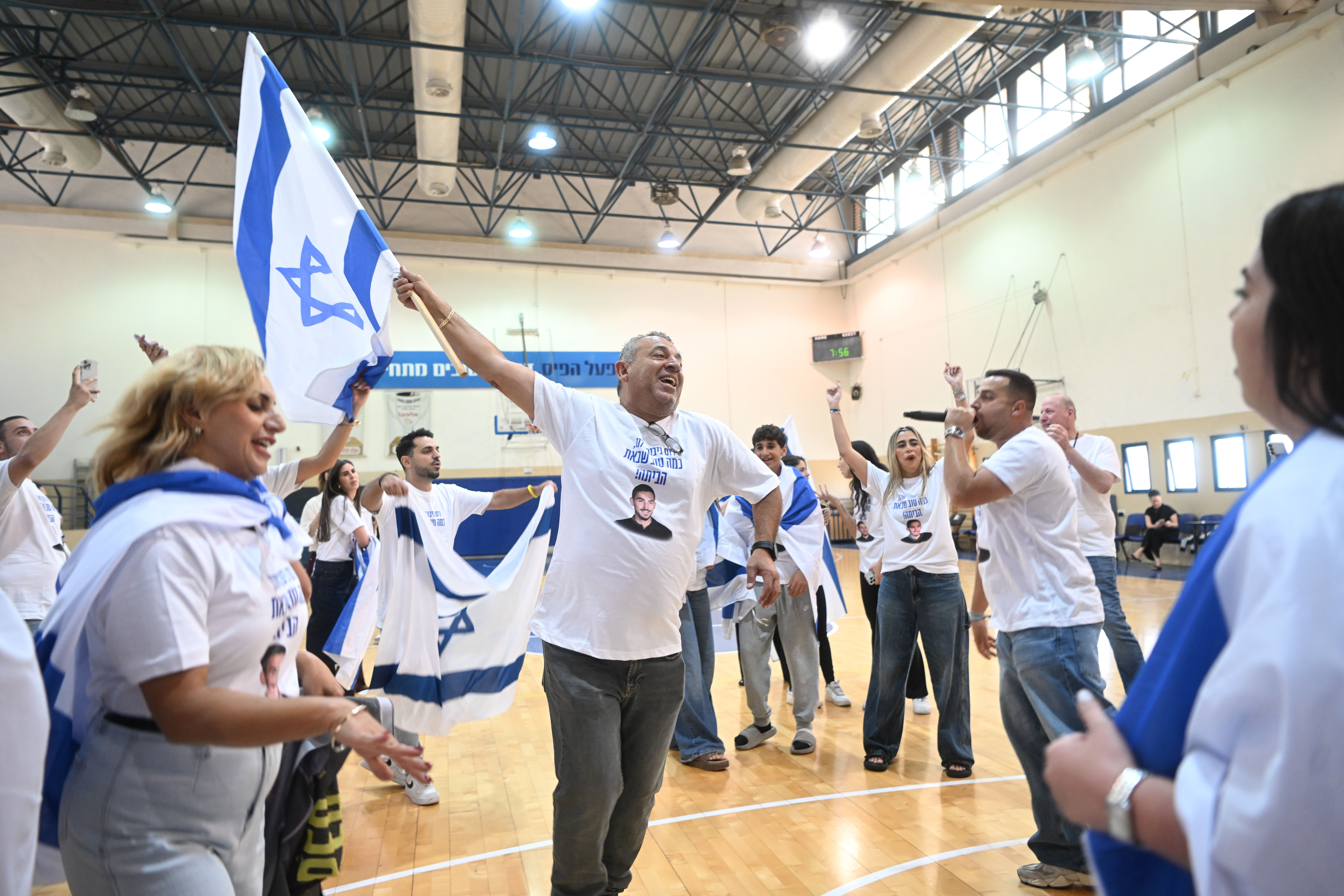
“Ohana shared a little, but it’s still hard for him to talk… it will take time,” said Avi Ohana, Yosef Chaim’s father. “Right after the deal was signed, I asked him if the conditions improved, if they were taken out of the tunnels, given better treatment.
“He smiled faintly and said, ‘Dad, what are you talking about? As soon as the deal was signed, they took us, seven hostages together, down endless stairs. We thought we were being taken to another tunnel, but we ended up in a pit.’
“The pit was so small… there was no oxygen, total darkness. We stood for four or five days waiting for release, we couldn’t even sit down because there was no room,” Avi recounted.
According to Ohana, his son told him: “Dad, don’t think otherwise, they want to destroy all of Israel. Everyone there is Hamas. Even little kids say, ‘We want to kill you.’”
He said that on the day of the abduction, his son helped treat the wounded under fire. “He carried injured people for hours. When the RPG fire started, it separated him from his friends — he didn’t know until yesterday if they were dead or alive.”
During captivity, the hostages were occasionally exposed to outside broadcasts. “They let them watch Al Jazeera once every few weeks,” the father said. “At one point, the terrorists gave them a small radio to hear the Quran, but Yosef and his friend managed to rig it to the tunnel’s electrical wires and for 30 days, they tuned into Galei Tzahal (Army Radio). One morning, he said, he suddenly heard my voice on the broadcast. He told me: ‘That was the first sign of life I got from you, proof you were alive. It gave me strength to go on.’”
Avi Ohana described the horror: “He said dozens of times they pointed a loaded gun at his head. He would stop them and say, ‘Wait, wait, let me say a few words first,’ and start convincing them it wasn’t worth it. He told one terrorist, ‘If you kill me, what do you gain? I’m just one person.’ And the terrorist replied, ‘You’re right. But it will make me happier to kill you than anything I’d gain from keeping you alive.’ That’s the level of hatred we’re dealing with.”
“Ohana said, ‘These aren’t human beings. The word “human” doesn’t belong to them.’”

Bar Kupershtein and Rom Braslavski: Logistics and Nahal Fighters' Ordeal
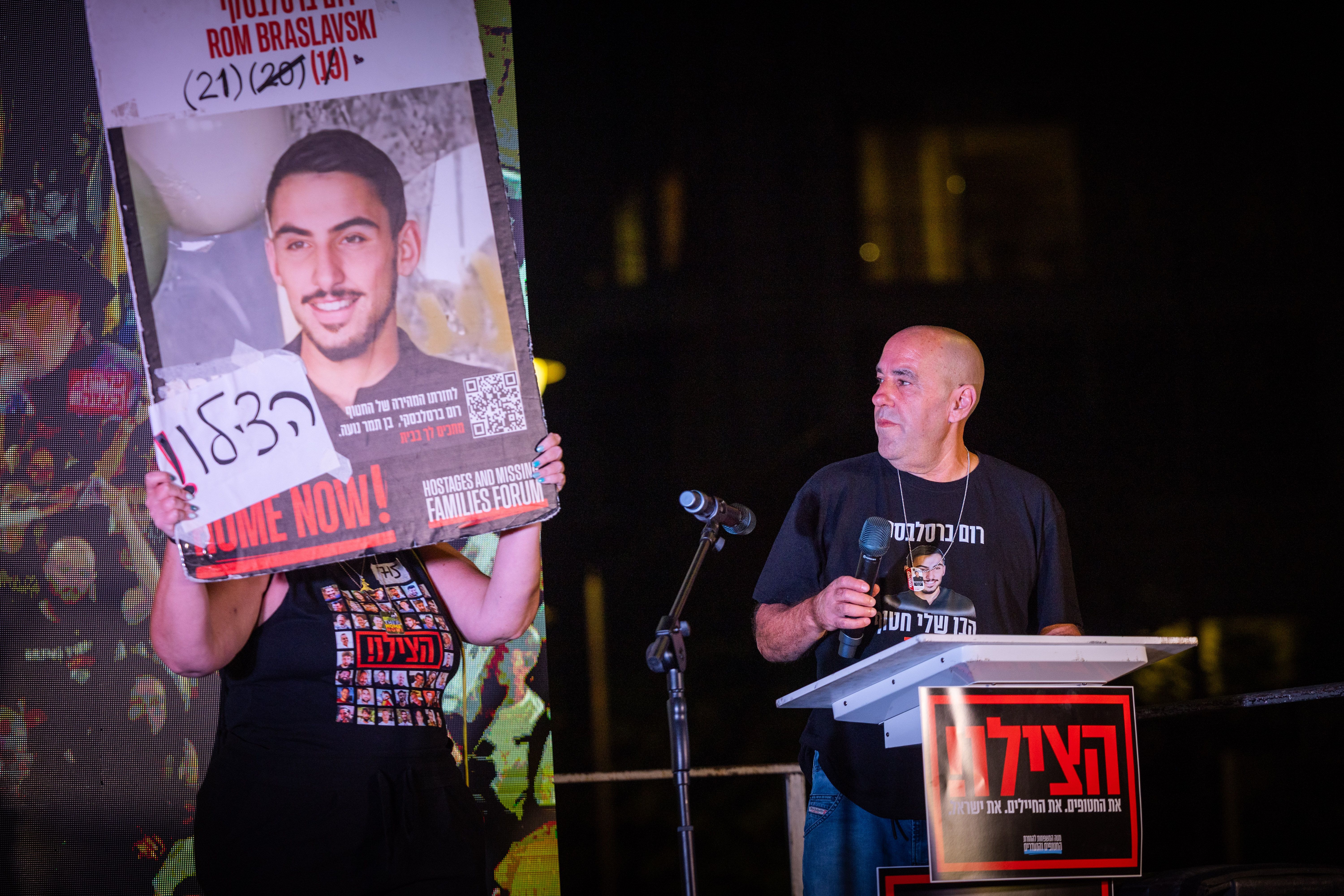
Bar Kupershtein, serving Central Command logistics, and Rom Braslavski, a Nahal Brigade Battalion 932 fighter, were both in regular service when snatched. Kupershtein told Channel 12 of being shuttled between Khan Younis safe houses, enduring beatings for refusing to convert and witnessing executions of "uncooperative" captives.
Braslavski, held in Rafah, described guards using hostages as human shields during Israeli airstrikes, with one bombing killing nearby terrorists but sparing their cell. Both hid ranks to avoid lethal reprisals, surviving on promises of "hero's welcomes" from Hamas leaders.
Rom’s mother, said: “He went through two very, very hard years, with restrictions, pain, and suffering beyond words. He told me, ‘It doesn’t matter what I say, you’ll never understand what I went through: the humiliation, the pain, the endless longing for home.’”
She added that Rom was held mostly alone by Islamic Jihad and was even asked to convert to Islam. “He was transferred several times, met Sasha for a few days, and only two days before his release was taken to a tunnel, where all the hostages were finally together. They supported and encouraged each other.”
“The treatment from his captors was extremely harsh,” she said. “There was massive, brutal abuse, the human mind can’t comprehend it. I don’t even want to elaborate. It was very, very hard.”
During the last few months, his inhumane treatment got worse and he was forced to stay next to the bodies of slain hostages. In addition, he was held in handcuffs for the first few months of his confinement.
To make matters worse, he was subject to cruel psychological abuse. His captors told him, "Your parents aren't fighting for you, they don't even go to the hostage families' protests ... Israel has been destroyed."
These accounts, corroborated by IDF debriefs and UN reports on Hamas's use of civilians as shields, reveal a pattern: systematic isolation, dietary deprivation, and indoctrination, per a July 2024 Human Rights Watch probe documenting war crimes.
Hamas, in statements, frames detentions as "resistance leverage," but survivors' tales fuel Israeli resolve, with Netanyahu vowing no repeat.
As Gaza rebuilds under truce terms, these voices demand justice, echoing the 1,200 families still mourning October 7.