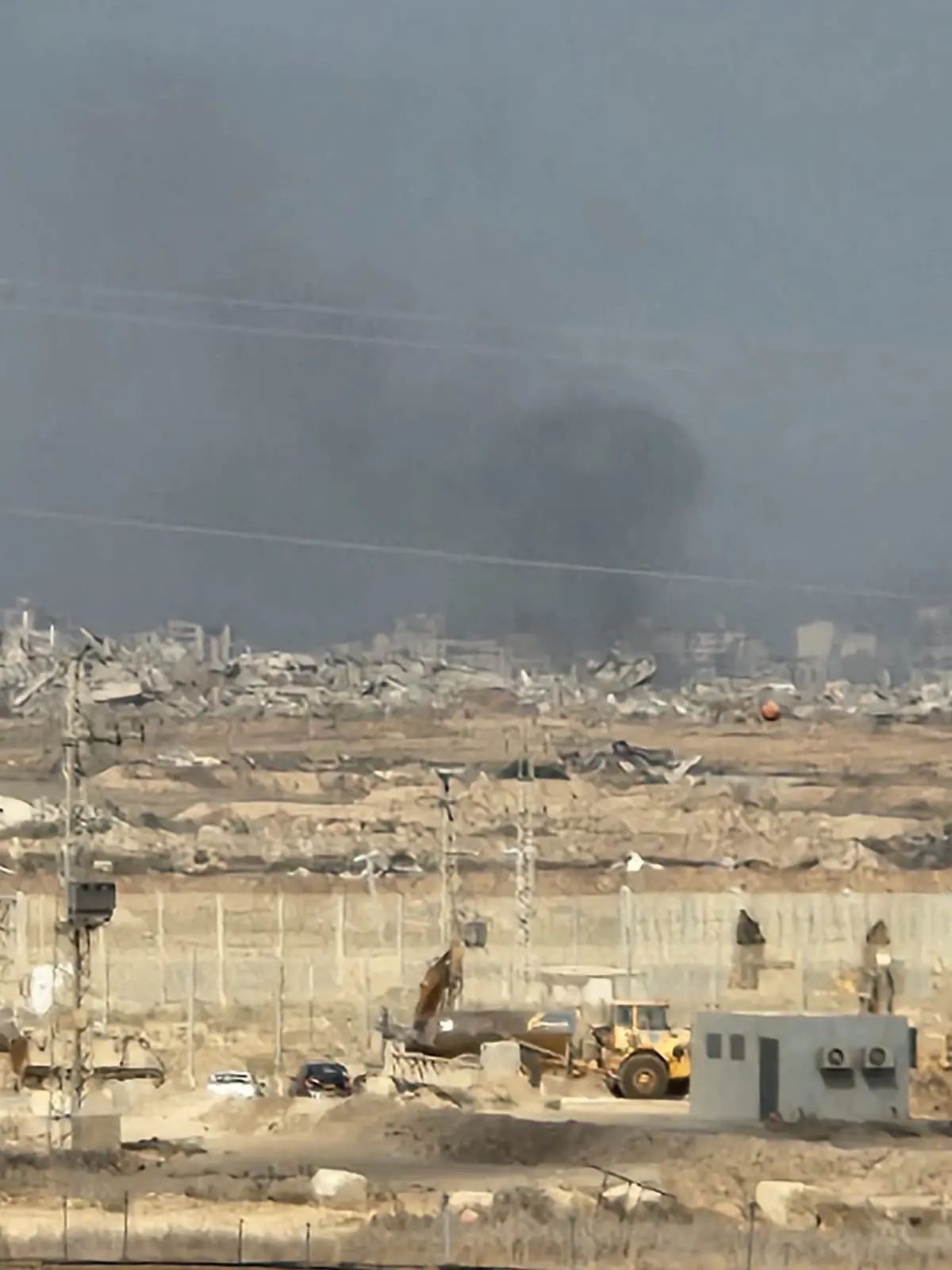
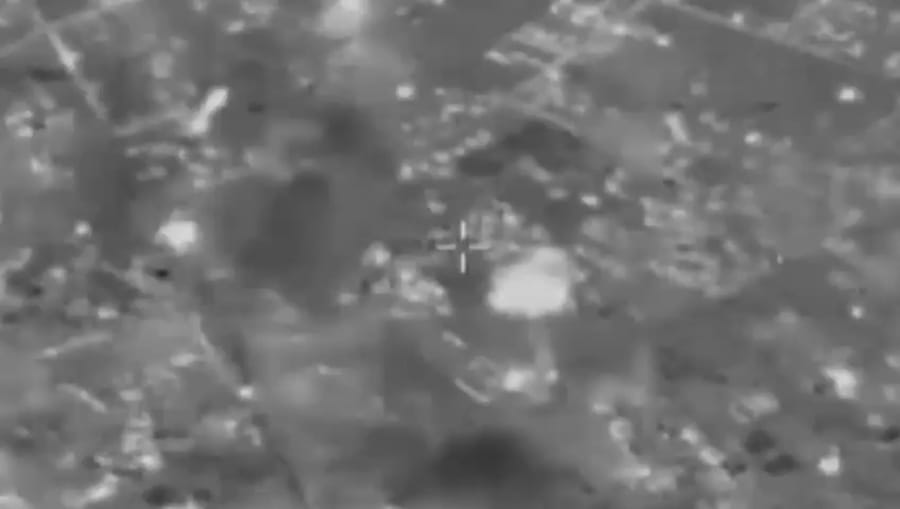

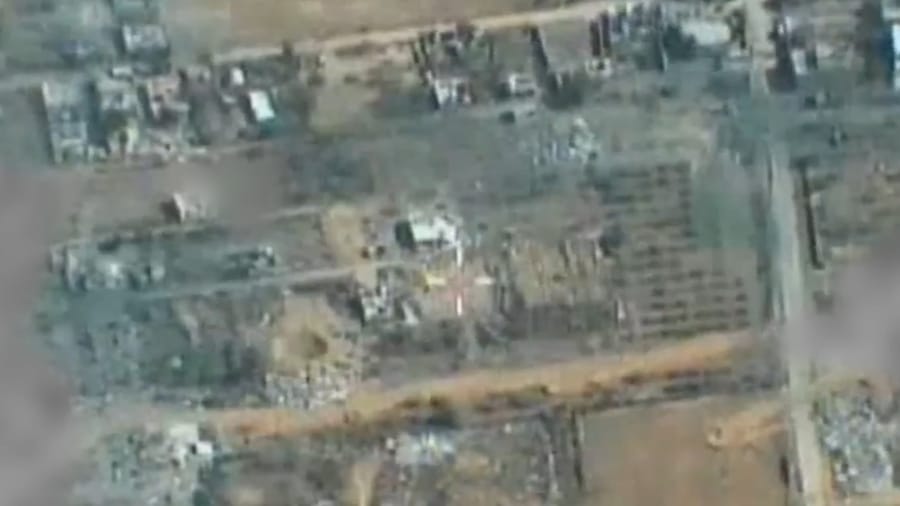
Earlier today, a fragile ceasefire in Gaza collapsed after Hamas breached the agreement, prompting a massive Israeli military response that included airstrikes on a tunnel network previously used to hold hostages. The escalation began when Hamas terrorists fired anti-tank missiles and sniper rounds at an Israeli engineering vehicle in Rafah, southern Gaza, killing two IDF soldiers, Major Yaniv Kula, 26, and Staff Sergeant Itay Yavetz, 21. The attack, which occurred in an area under tight Israeli control, also involved small-arms fire and a possible kidnapping attempt, according to military assessments. In retaliation, the IDF launched a sweeping operation, striking 104 targets across Gaza with 127 munitions, including a sprawling underground tunnel system in southern Gaza where hostages were once held. The IDF confirmed all living hostages had been released from Gaza prior to the strike, yet the bodies of fallen hostages remain in Gaza.
Hamas announced earlier that day it had located the body of a deceased hostage during ongoing search operations and planned to hand it over, "if conditions on the ground allow it." However, the group warned that "any Zionist escalation will delay the search, digging, and extraction of bodies," framing the violence as a hurdle to recovering remains. The Al-Qassam Brigades, Hamas’s military wing, denied responsibility for the Rafah attack, claiming no contact with fighters in the area since Israel’s March offensive and asserting that Rafah is under Israeli control. Despite this, the IDF neutralized 15 terrorists, including Yehia Al-Mbahouch, a Nukhba force commander in northern Gaza, and struck weapons storage sites, military compounds, firing positions, and terror squads.
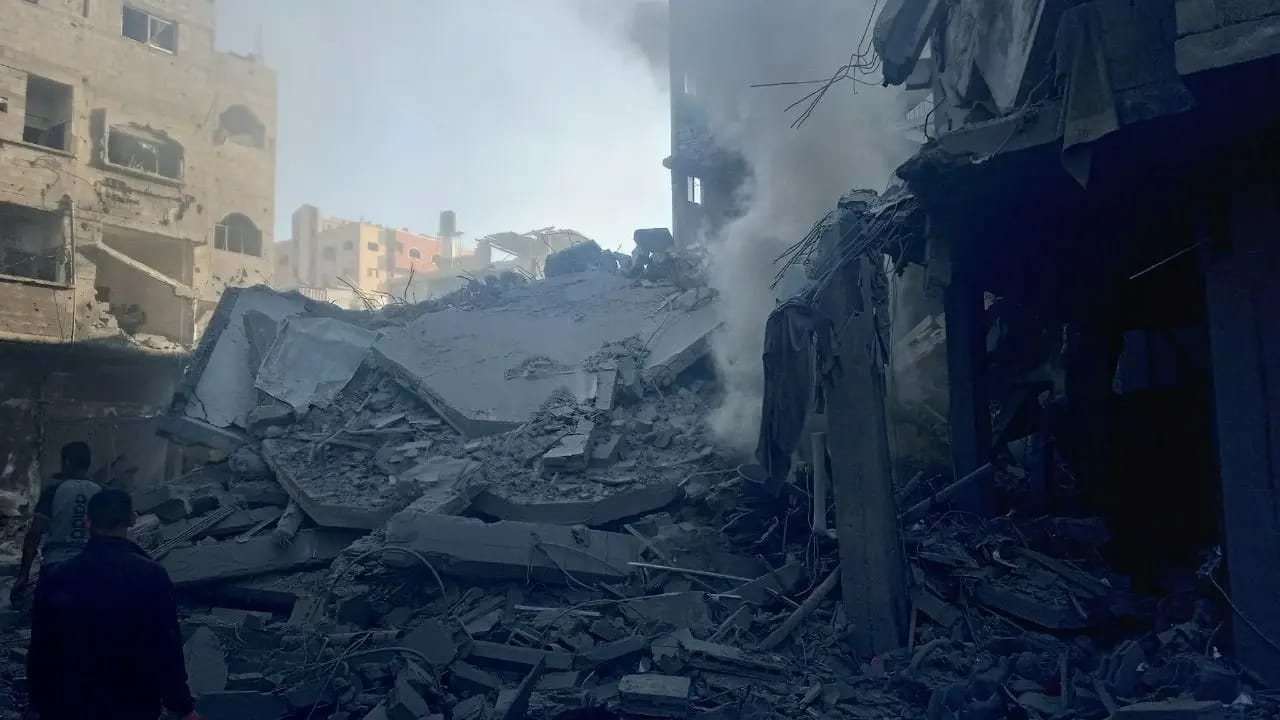
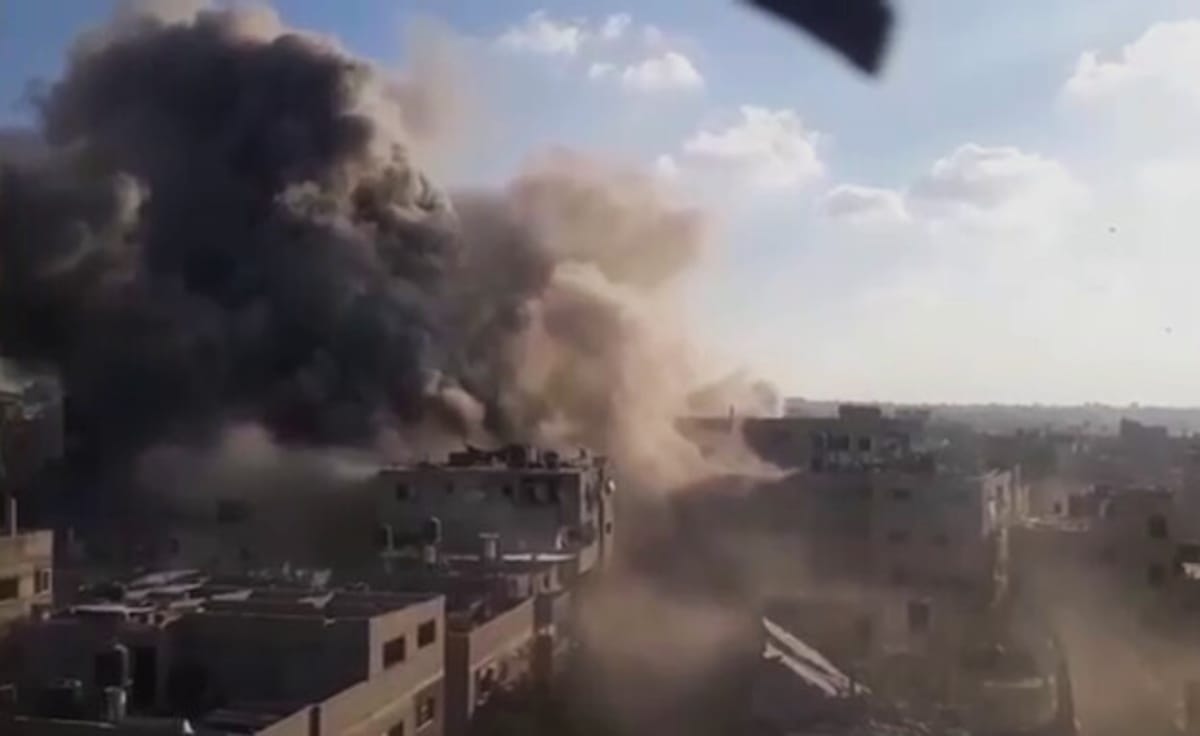
The strikes targeted tunnels, some stretching kilometers, alongside other infrastructure like tunnel shafts and command buildings. Palestinian reports cited eight deaths, including six in Bureij camp, where a building explosion left heavy rubble, and others in Jabalia, Khan Younis, and Gaza City. Israel’s political leadership, following a meeting with Prime Minister Benjamin Netanyahu, halted all humanitarian aid to Gaza, closing the Rafah crossing until Hamas accelerates hostage body returns. Defense Minister Israel Katz vowed, “Hamas will learn today the hard way that the IDF is determined to protect its soldiers and prevent any harm to them.” National Security Minister Itamar Ben-Gvir criticized a brief two-hour aid suspension as a “shameful fold,” demanding intense fighting and “encouraged migration.”
Israel informed the U.S. of its response plans through military channels without seeking approval. A U.S. official told Al Jazeera the situation remains “fragile, but there’s still a chance to reach peace,” emphasizing efforts to de-escalate via the Trump plan. Despite the violence, the IDF continues withdrawing heavy equipment, even as public anger grows over fuel trucks entering Gaza, potentially aiding Hamas. The ceasefire’s collapse, marked by Hamas’s yellow-line violations and Israel’s forceful response, dims hopes for stability, with unresolved issues like Gaza governance and famine risks looming large.