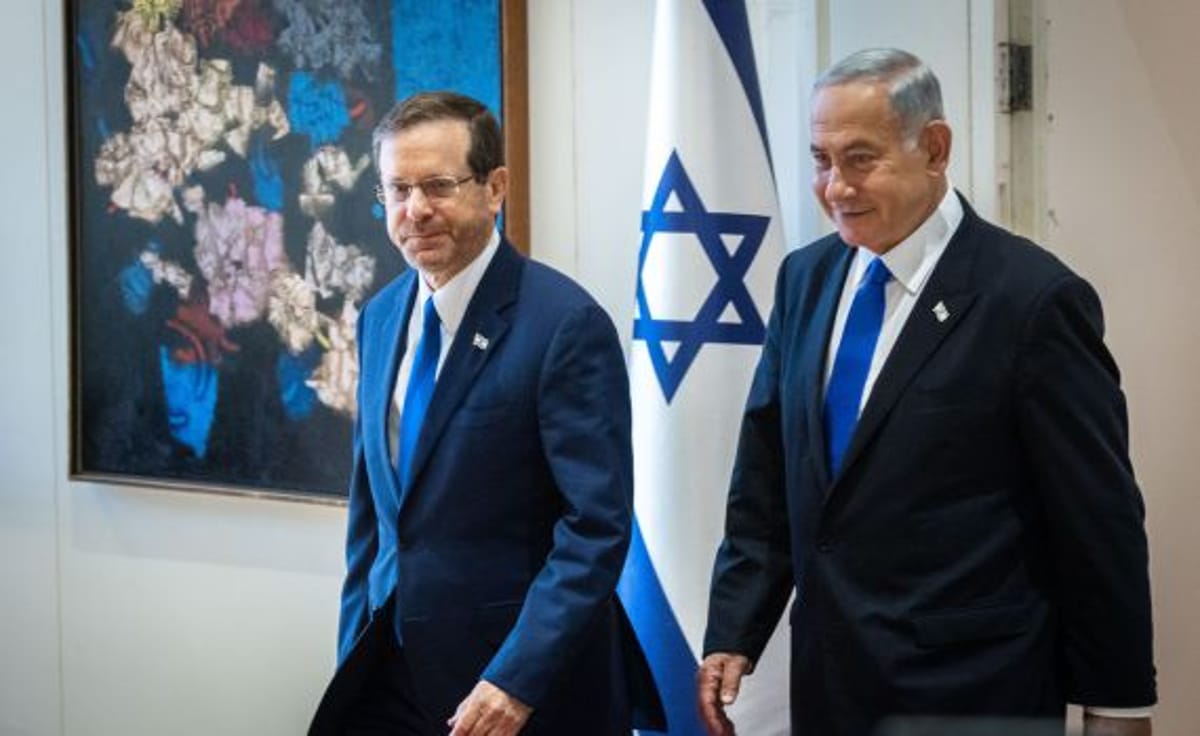
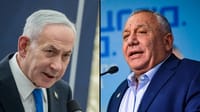
He pledged a thorough and precise review, adding, "I will consider only the good of the state and Israeli society, with only the State of Israel and its welfare before my eyes." Netanyahu's request, drafted by his legal team, argues that continuing the trials undermines national interests by exacerbating societal divisions and diverting attention from critical diplomatic and security challenges.
Interesting points from the document include:
- Legal Context: Netanyahu maintains confidence in a full acquittal if the trials proceed, citing evidence from the proceedings since 2020 that supports his innocence.
- Public Interest Harm: The cases are said to fuel internal conflicts, shift focus from national priorities, and weaken Israel's position amid regional opportunities and threats.
- Strategic Opportunities: With potential "game-changing" developments in the Middle East involving the U.S., Arab states, and others, Netanyahu argues he must dedicate full attention to diplomacy and security without trial distractions.
- Societal Healing: Granting the pardon would enable him to address national rifts, judicial reforms, and media issues, areas he's currently barred from due to the trials.
- Judicial Note: The request references a June 20, 2023, court suggestion for prosecutors to drop bribery charges, highlighting the need to end the trial "for the sake of the matter and the state."
- Personal vs. Public Good: While personally inclined to fight for acquittal, Netanyahu prioritizes national needs, especially with "non-recurring opportunities" at stake.
Herzog described the request as "exceptional" and indicated that its evaluation could take "several weeks."
Notably, Netanyahu has not admitted guilt or expressed remorse, asserting the president's authority to grant a pardon even without a conviction.
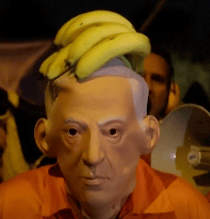
The announcement has ignited protests outside the President's Residence in Jerusalem, with demonstrators voicing opposition. Public discourse on social media has exploded, with Israelis on both sides of the heated debate.