A state of maximum readiness is underway in Israel for the imminent return of Israeli hostages after two years in the Gaza Strip. The operation to receive and integrate the former hostages has been codenamed "Returning to Their Border" ("Shavim LiGvulam") by the IDF Manpower Directorate. This operation will run parallel to the military’s withdrawal operation, "Iron Light" ("Or HaBarzel"), where the army pulls back to agreed lines.
The Israeli hostages are expected to be released within 72 hours of the government’s approval of the first phase of the agreement, which is anticipated this evening. Arab reports indicate that Hamas has already begun gathering the living Israeli hostages to a secure location ahead of their transfer to the Red Cross.
The Five-Stop Route to Freedom
The path to freedom will follow a proven, expanded model from previous hostages exchanges, involving a tightly coordinated sequence of handovers and assessments:
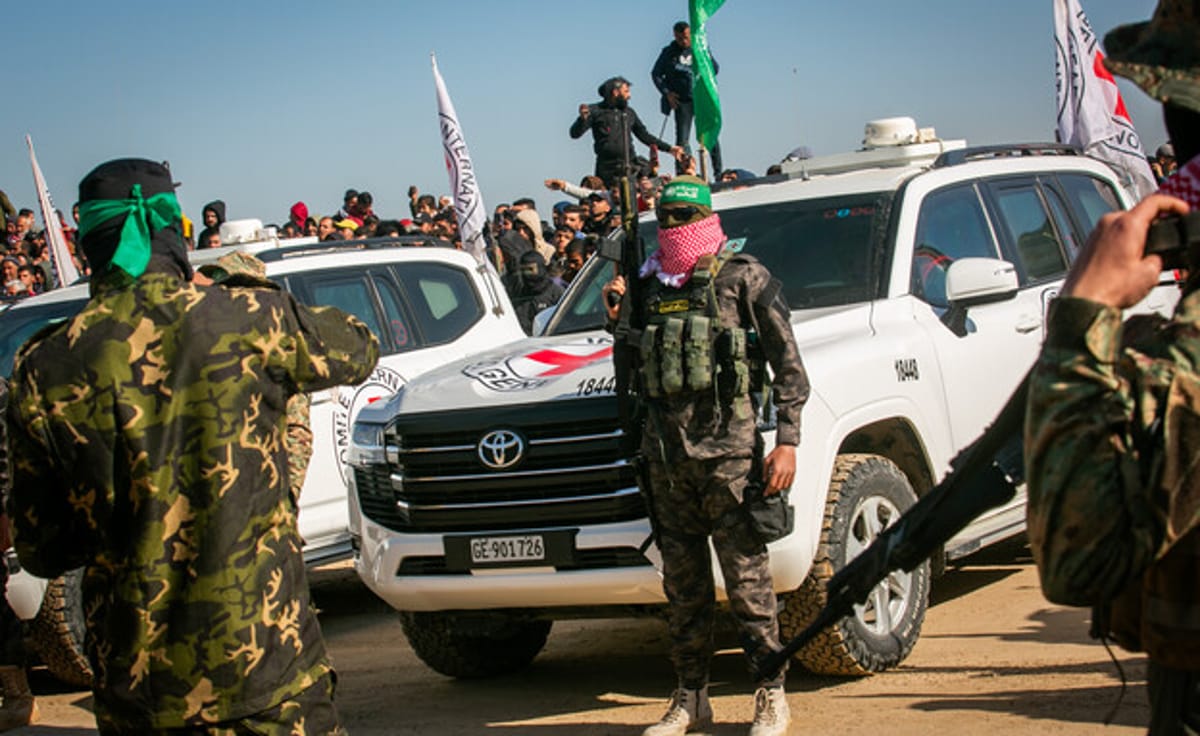
- Transfer to the Red Cross: Hamas terrorists will hand over the Israeli hostages to representatives of the international organization at a predetermined location inside Gaza.
- Joining the IDF: Forces from a special unit will meet the returning Israeli hostages inside the Strip. Mental health professionals will also be on hand to greet them. At this initial juncture, they will undergo identity verification and an initial medical assessment.
- Re'im Base: The special unit will then transfer the former hostages to the absorption complex at the Re'im Base near the Gaza border, where the emotional, long-awaited reunion with their families will finally take place after two agonizing years.
- Distribution to Hospitals: Following the family meeting, the returnees will be transported and distributed among three central Israeli hospitals (Sheba, Beilinson, and Ichilov).
- Specialized Medical Care: Security officials anticipate that the Israeli hostages may arrive in a more complex and varied medical condition than those from earlier releases. The security system is preparing extensively for medical emergencies, which may require immediate helicopter transport to Soroka Hospital in Be'er Sheva or Barzilai Hospital in Ashkelon.
An IDF military source confirmed the high level of preparedness, stating, "We are ready to receive the Israeli hostages even now, if required. All the forces have been refreshed and understand their mission. We are waiting for them at home." The medical and psychological care plan emphasizes a phased and controlled reunion with families only after essential medical examinations are completed.