In a move reminiscent of Cold War-era operational security, the Israeli Air Force (IAF) issued a new directive, ordering soldiers at the Kirya base to stop having food delivered directly to the compound gates.
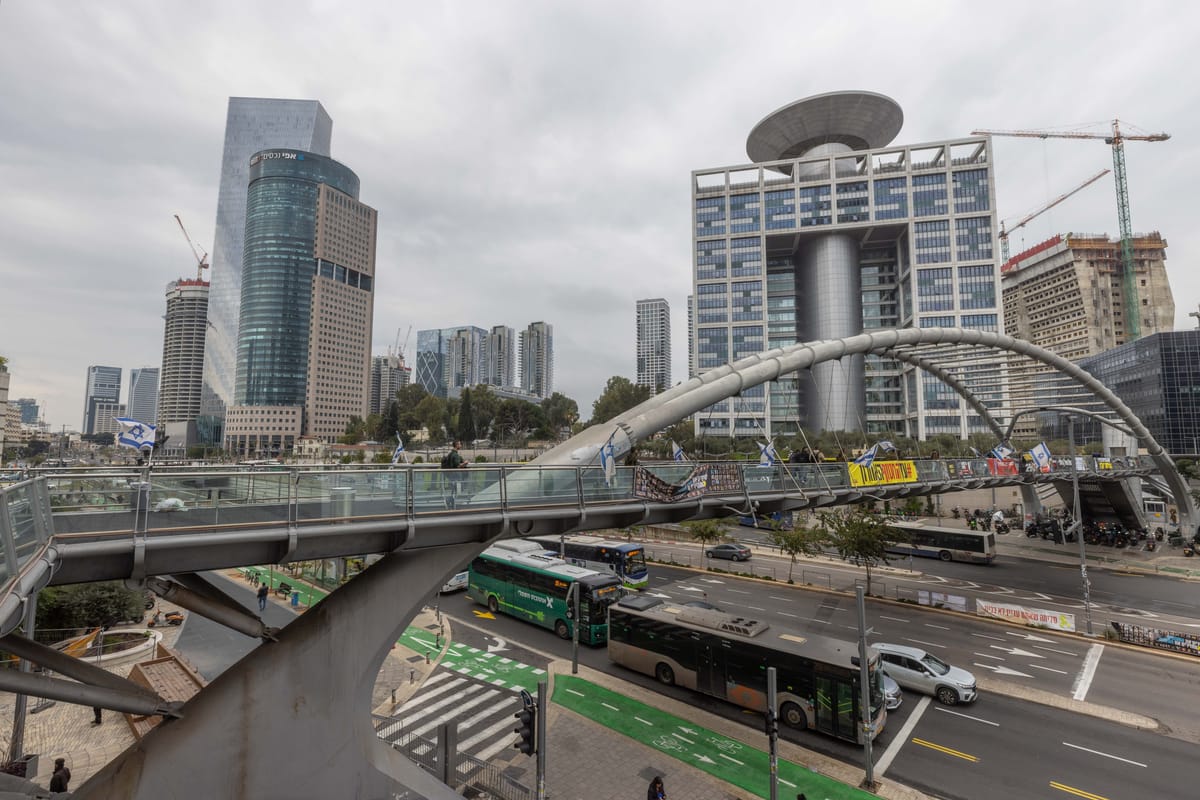
The Kirya, located in central Tel Aviv, serves as the nerve center for the IDF and the Ministry of Defense. Under the new rules, soldiers are no longer permitted to meet delivery couriers, specifically from the popular Wolt app, at the base’s main entrance. Instead, personnel must arrange to meet couriers at pre-designated spots outside the military compound.
The ban is a direct response to the "Pizza Index," a phenomenon where spikes in food deliveries to government buildings can signal that a major event is brewing.
The Logic: If hundreds of soldiers are suddenly ordering late-night food simultaneously, it indicates that a massive number of personnel are working overtime or "sleeping in," a clear indicator of high-alert status or pre-strike planning.
The History: Ynet noted the parallels to the famous 1991 "Pizza Indicator" at the Pentagon during the lead-up to Operation Desert Storm. Similar spikes were reportedly observed via social media sleuths just before the June 2025 strikes on Iran.
Operational Security (OPSEC)
Military intelligence is increasingly concerned with "Digital Exhaust" the trail of data left by apps and social media that enemies can use to gather intelligence. By moving delivery hand-offs away from the gates, the IAF aims to prevent observers (and data-mining adversaries) from tracking real-time fluctuations in base occupancy.
The IDF has not officially commented on the internal directive, which comes as the regional "strategic clock" nears a critical Thursday deadline and high-stakes talks continue in Geneva.