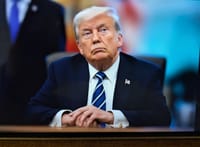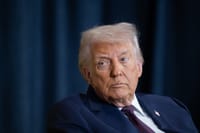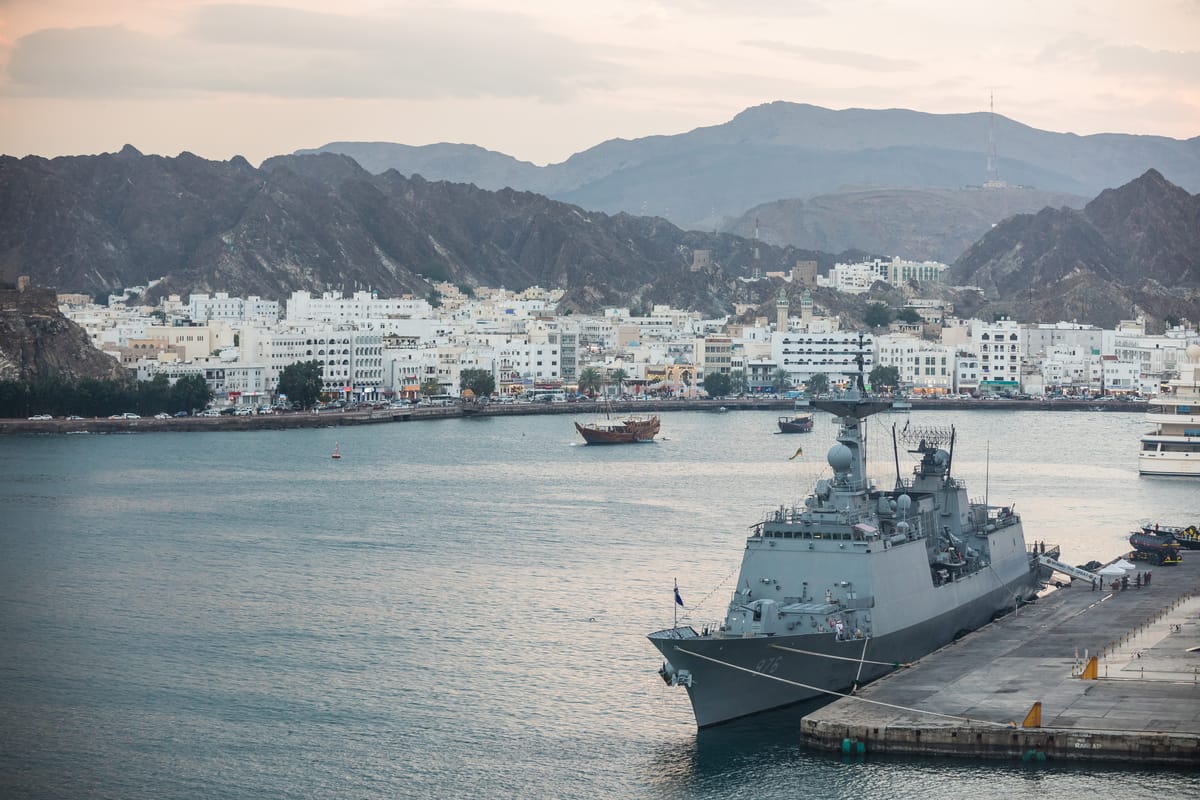
An unexpected diplomatic crisis has emerged from the West Wing after President Donald Trump issued a blunt military warning directly to the Sultanate of Oman during a broadcasted cabinet briefing on regional security. The sudden escalation occurred after reporters questioned the president regarding whether his administration would ever accept a temporary maritime framework allowing Iran and Oman to exert joint sovereignty over the Strait of Hormuz. Trump immediately rejected the premise, asserting that the strategic gateway consists entirely of international waters and will never be subjected to the regulatory control of regional powers.
The president did not mince words when addressing the traditional Gulf mediating nation, delivering a highly aggressive rhetorical warning that caught international observers completely off guard. Trump stated that the crucial maritime corridor will remain entirely open to global commerce, promising that the United States military will personally oversee, watch, and protect the shipping lanes from external interference. He then added an explicit threat directed at Muscat, stating that Oman must behave exactly like every other compliant nation, warning that if they fail to do so, the armed forces will be forced to bomb them.
The fiery rhetoric marks a radical departure from standard American diplomatic policy toward Oman, which has historically functioned as the primary neutral venue for highly sensitive backchannel negotiations. Omani diplomats played a central role in hosting early diplomatic summits long before the commencement of the current war, and the neutral capital has continued to facilitate messaging between Washington and Tehran throughout the ongoing regional campaign. Despite these extensive mediation efforts, the sultanate has occupied a precarious position, having sustained numerous kinetic provocations and maritime pressures from Iranian forces over the course of the wider regional war.
The White House and the Omani Embassy in Washington both declined to issue formal follow-up statements in the immediate aftermath of the president's broadcasted cabinet remarks, as diplomats scrambled to contain the political fallout. Independent defense analysts suggest that Trump’s remarks were intended to forcefully shut down any Iranian ambitions of rewriting the legal status of international maritime transit zones. By using highly abrasive language against a historically neutral partner, the administration is signaling that it views absolute freedom of navigation as an uncompromisable core component of any pending regional treaty.
The strategic stakes surrounding the Strait of Hormuz remain at an all-time high, with international energy markets highly sensitive to any potential military disruption along the coastal corridor. The United States Navy continues to maintain an advanced strike group in adjacent waters to deter asymmetric attacks and ensure that commercial tankers can navigate the pass without facing illegal boardings or naval mining operations. As regional actors process the president’s latest statements, the traditional parameters of Gulf diplomacy are being fundamentally rewritten by Washington’s willingness to deploy overwhelming kinetic options.