The Israeli security establishment has shifted into high gear, accelerating preparations for a regional "extreme scenario" as intelligence reports suggest the nuclear negotiations between the United States and Iran are on the verge of a total collapse.
At the heart of the current planning is the assessment that if diplomatic efforts in Geneva fail, President Donald Trump may order a preemptive U.S. strike on Iranian soil. Security officials believe such an event would trigger an immediate and massive Iranian response, not just against American assets, but directed specifically at the State of Israel.
The anticipated threat includes:
- Direct Missile Barrage: Large-scale ballistic missile launches originating from inside Iranian territory.
- The "Axis of Resistance" Convergence: Simultaneous, coordinated fire from Iranian-backed militias in Yemen (Houthis), Iraq, and Lebanon (Hezbollah).
- Targeting Infrastructure: Sustained attacks specifically aimed at strategic Israeli assets and military hubs.
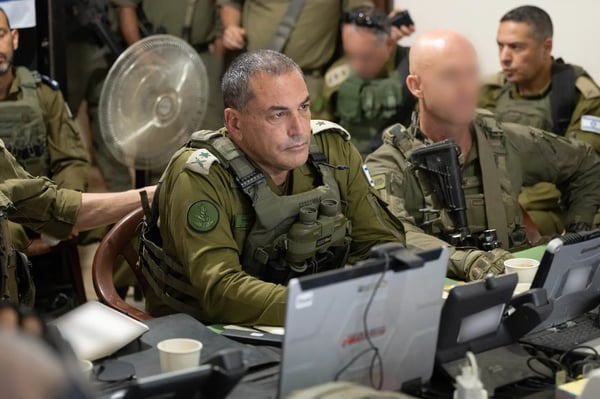
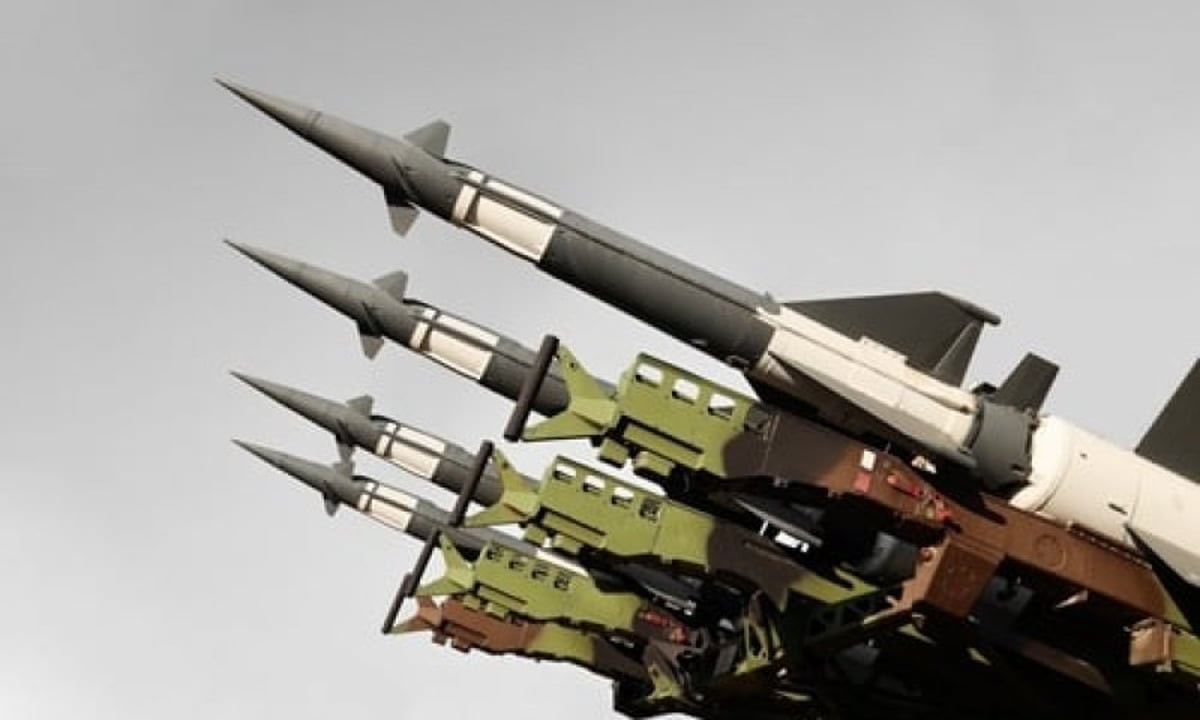
The IDF is focusing on "functional continuity," ensuring the state can operate even under heavy fire: Maj. Gen. Rafi Milo (and Maj. Gen. Shlomi Binder in previous assessments) is leading a massive effort to harden civilian infrastructure and ensure the public warning systems can handle an unprecedented volume of fire. At the same time, IAF Commander Maj. Gen. Tomer Bar has placed bases on high alert, with a focus on protecting air defense batteries and sensitive technological arrays to ensure Israel’s ability to intercept and retaliate remains intact even if bases are targeted.
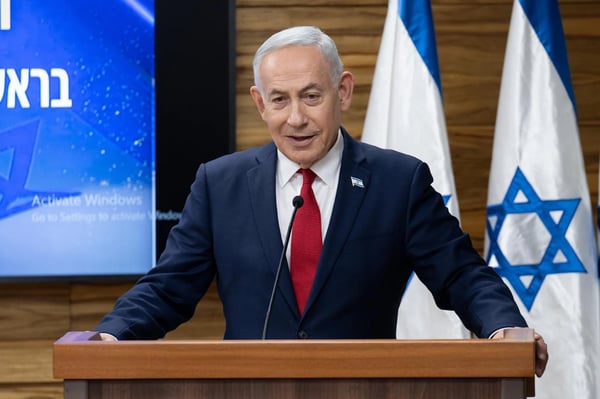
While a second round of talks is scheduled for Tuesday in Geneva, Israeli Prime Minister Benjamin Netanyahu’s recent meeting with President Trump in Washington focused on these "red lines." Israel is reportedly coordinating closely with U.S. Central Command (CENTCOM) to synchronize defense layers ahead of what many fear is an inevitable escalation.
As the diplomats in Geneva run out of ink, the generals in Tel Aviv are running out of time. Israel is no longer asking if the fire will come, but whether the shield is strong enough to withstand the heat of a direct Iranian collision.