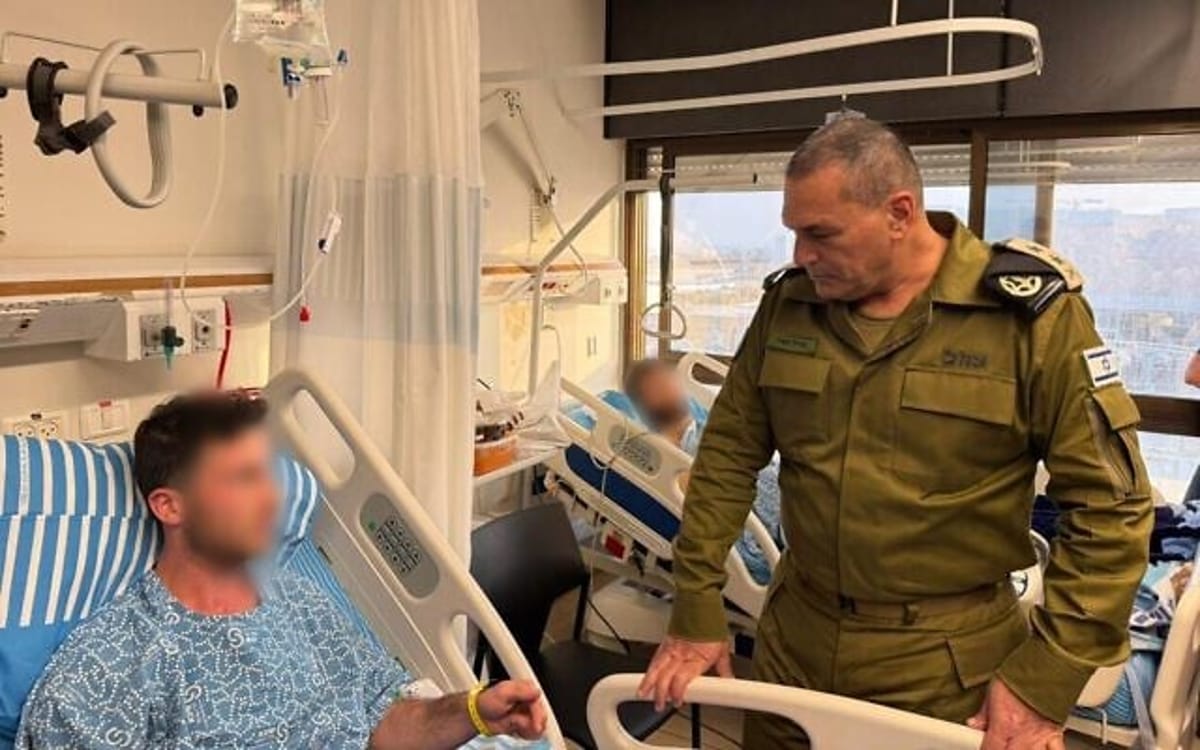
An extraordinary survival story has emerged from Haifa’s Rambam Medical Center, where surgeons fought for hours to save an IDF soldier critically wounded in the recent fierce clash in southern Syria. The soldier, one of six to seven Israeli reservists wounded in the confrontation, was rushed to the hospital with a wound that defied medical odds: a bullet had pierced his protective vest and become lodged inside his heart.
The soldier’s survival, achieved through a high-risk, hours-long emergency operation, is being called a miracle. The cardiothoracic team had to perform an extremely complex and precarious procedure, opening the soldier’s chest from both the side and the center to halt massive bleeding, repair damaged tissue, and stabilize his circulation.
The Bullet Remains
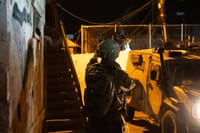
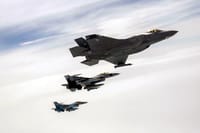
The injury occurred during a raid in the Beit Jinn area, roughly 15 kilometers inside Syrian territory, where IDF forces were operating to arrest two brothers belonging to the al-Jama’a al-Islamiyya terror organization, who are suspected of past rocket fire and planning new attacks on Israel. Dozens of gunmen opened fire on the Israeli forces as they withdrew, prompting immediate air support from helicopters, drones, and jets on pre-planned terror targets.
By the time the two most seriously wounded soldiers reached Rambam, both were in critical condition. For the first soldier, the bullet had punched through his vest and came to rest between the internal walls that divide the heart’s chambers.
In a unanimous decision, the medical team opted to leave the bullet in place for the moment. Surgeons calculated that an immediate attempt to dig the projectile out would be more dangerous than monitoring it. The team is now weighing three options: a second open-heart surgery, removing the bullet via a catheter procedure, or leaving it permanently if it poses no further risk.
Despite the visceral image of a bullet-wounded heart, the soldier is currently awake, stable, and communicating in intensive care. The second critically wounded soldier is also listed in stable condition.
Risky Forward Defense
The firefight underscores the inherent risks the IDF is taking deep within Syrian territory. Following the collapse of the Assad regime and the rise of President Ahmed al-Sharaa, Israel has maintained nine positions inside Syria, mostly within the UN-patrolled buffer zone, and regularly sends forces forward to prevent Iranian-backed and Islamist terrorist groups from entrenching along the border.
In this specific raid, troops successfully stormed the home of the two terror suspects while they slept and arrested them. They were ambushed as they attempted to withdraw by "unknown assailants," according to the military.
Syrian officials and regime-aligned media, while denying the existence of the terror network, claimed at least 13 people, including children, were killed in the subsequent Israeli strikes and moved to brand the operation a "war crime." Israel stresses that its target was a designated terror network that had already fired on Israeli communities and was preparing further attacks.
Ultimately, the survival of the young soldier whose heart literally stopped a terrorist’s bullet serves as a harsh reminder of the price of forward defense and a testament to the quiet heroism of Israel’s trauma surgeons, who now face the difficult decision of attempting one more impossible-seeming miracle inside an already wounded heart.