Get our mobile app
Download on the App StoreGet it on Google Play

Gap Between Policy and Practice

IDF Avoids Yeshiva Arrests Despite Freeze

Military police refrains from detaining yeshiva students even during semester breaks, despite Chief of Staff's stated need for enforcement tools and Supreme Court's suspension of controversial legislation

IDF Continues to Avoid Arresting Yeshiva Students Despite Court Freeze on Deri Law
Video: Channel 12

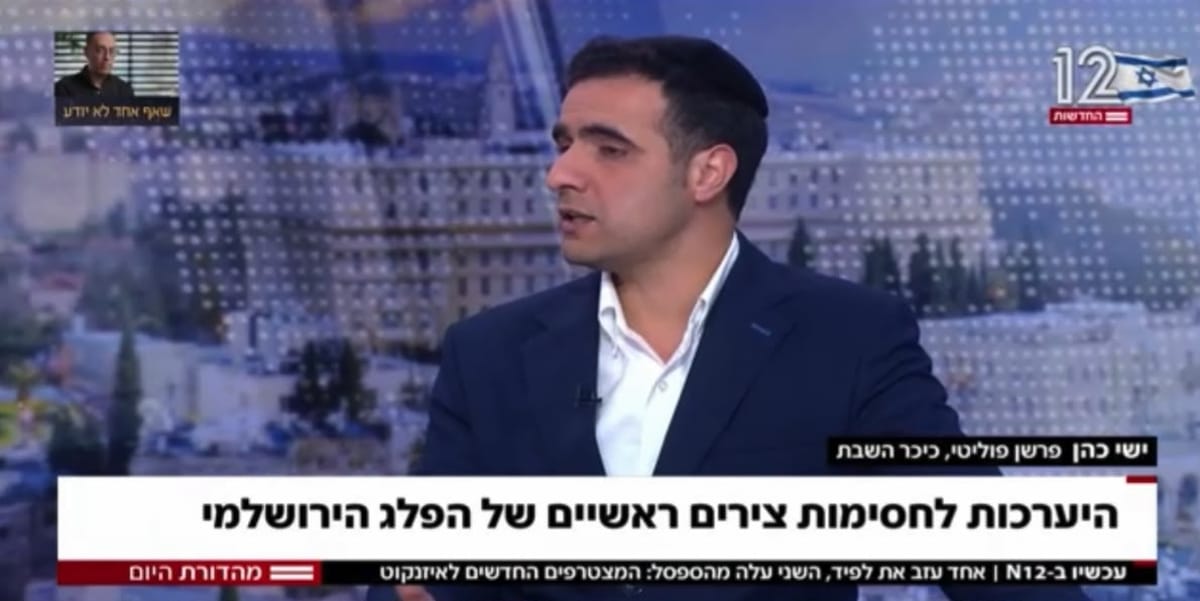
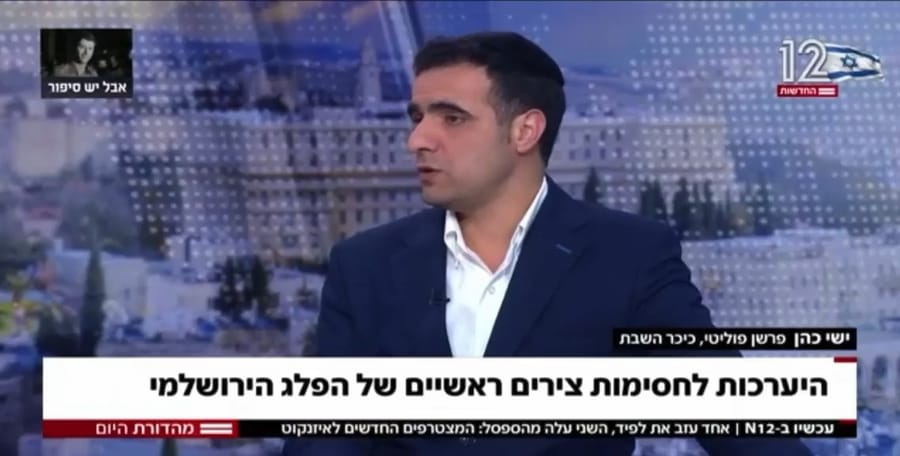
Speaking on Israel's Channel 12 News, commentator Yishai Cohen highlighted a paradox in how Israel's military handles yeshiva students who have not reported for service. While legislation championed by Shas party leader Aryeh Deri to prevent such arrests has been frozen by the Supreme Court, and the IDF Chief of Staff has publicly stated the military needs enforcement tools, Cohen said the army is in practice implementing the law "meticulously."

"Words are one thing, actions another," Cohen summarized. He explained that military police are avoiding arresting yeshiva students, maintaining this policy even during "bein hazmanim" - the semester breaks when some students are not actively studying in their institutions. The gap between official declarations and ground-level reality, he suggested, remains significant.

The issue has become a flashpoint in Israeli politics. Deri's legislation was designed to prevent the arrest of Torah students classified as deserters for approximately six months. The Supreme Court suspended the law with a permanent interim injunction, with justices stating they had "seriously weighed the arguments of both sides" before deciding to block implementation until a final ruling is issued.

The case is being heard by an expanded panel of nine Supreme Court justices, reflecting its constitutional significance. Representatives of the Attorney General's office and the Knesset's legal adviser presented a unified position calling for the law's invalidation.

Attorney Aner Helman, representing the government's legal advisory office, declared: "This is an invalid and harmful law. It doesn't meet even one component of the limitation clause" - referring to Israel's Basic Law provisions that allow rights to be limited only under specific conditions.

In an unusual move, the government itself chose not to be represented at the hearing. Deri led a strategy of not presenting a defensive position, based on the assessment that the court would strike down the law regardless. "We have no faith in the Supreme Court. We already know the outcome in advance," Deri explained in an interview with Kikar Hashabat.

Ready for more?

Join our newsletter to receive updates on new articles and exclusive content.

We respect your privacy and will never share your information.

Enjoyed this article?

Yes (29)
No (1)
Follow Us:

Unmissable content


Loading comments...

Also of Interest