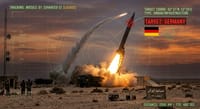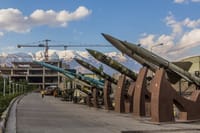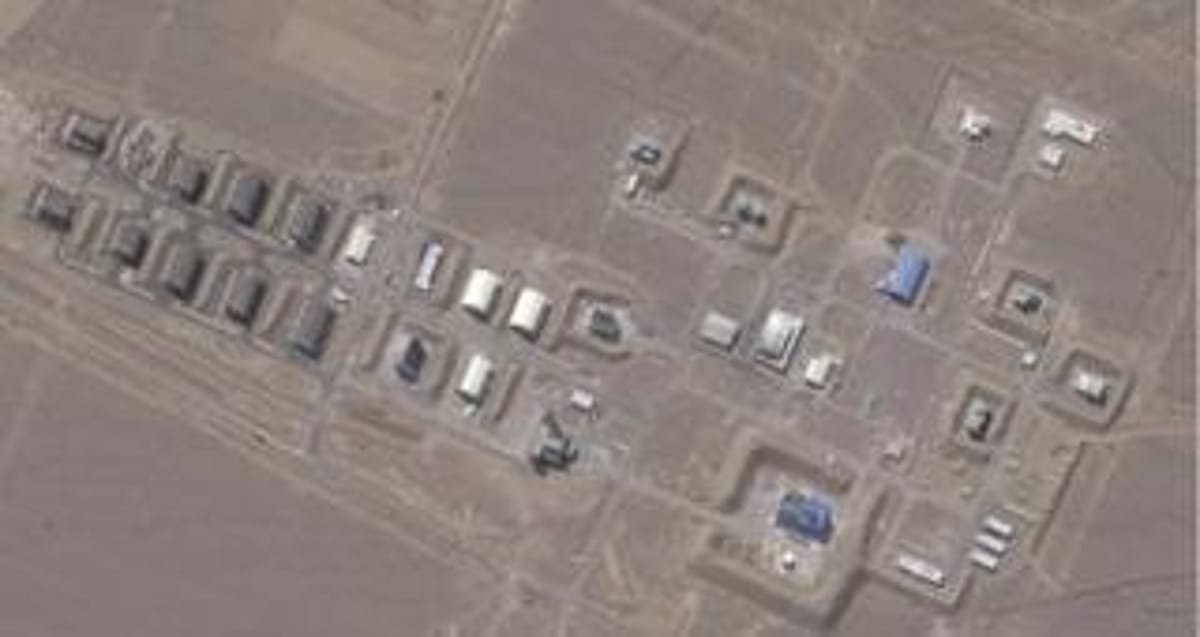
Iran has initiated efforts to rebuild key missile-production facilities struck by Israeli airstrikes during the brief but intense 12-day war in June 2025, according to satellite imagery and expert analysis. The reconstruction is visible at sites like the Shahroud solid propellant plant and the Parchin facility near Tehran, however, specialists note that critical equipment, such as large industrial mixers for solid-fuel production, remains absent, potentially delaying full operational recovery for months or longer.
Satellite photos from Planet Labs, analyzed by the Associated Press, reveal earth-moving equipment and construction activity at the Shahroud plant (east of Tehran) as early as September 5, and at Parchin by late August. These facilities were central to Iran's solid-fuel missile production, a cornerstone of its deterrence strategy against Israel. Iranian Defense Minister Gen. Aziz Nasirzadeh acknowledged on August 28 that the war "altered some of our priorities," while claiming new missiles with advanced warheads are now available. Rebuilding these sites is seen as vital for Tehran, which views missiles as its primary counter to Israel's air superiority, especially after the conflict exposed vulnerabilities in Iran's air defenses.
In contrast, Iran's nuclear sites, hit hardest by the Israeli-U.S. campaign, show minimal rebuilding activity to date. Facilities like Natanz (destroyed in part) and Esfahan remain largely dormant, per imagery and IAEA reports. A U.S. intelligence summary leaked in late June described the nuclear damage as temporary, delaying breakout capacity (the time to produce weapons-grade uranium) by only months, not years as initially claimed by CIA Director John Ratcliffe. Iran maintains its program is peaceful, but the IAEA's May 2025 report highlighted enough 60% enriched uranium for nine bombs, prompting the June 12 resolution declaring non-compliance.
Israeli officials, wary of reconstitution, are developing a preemptive monitoring mechanism, similar to the U.S.-approved Lebanon ceasefire enforcement, to detect and disrupt any nuclear or missile revival, according to Israeli media.
Prime Minister Benjamin Netanyahu's government has signaled readiness for "mow the grass" operations to keep Iran's capabilities in check, potentially with U.S. backing as the next military aid memorandum nears. Analysts from the European Leadership Network suggest Iran may pause aggressive rebuilding to avoid provoking another strike, especially under economic strain and UN snapback sanctions looming at month's end, as warned by French President Emmanuel Macron.
The moves have heightened regional tensions. Iran has turned to Russia for electronic warfare systems like the Krasukha-4 to bolster defenses, and discussions of BRICS naval exercises signal broader military reconstitution efforts.
Experts caution that full missile restoration could take 6-12 months without the missing mixers, sourced primarily from China, relations Iran is leveraging despite U.S. tariffs impacting global supply chains. The IMF projects a 0.5% dip in global growth for 2025 partly due to these tensions, with oil prices volatile. Tehran faces internal pressure too: economic woes and regime stability are at risk if rebuilding diverts resources without deterring Israel.
As Iran proceeds cautiously, the international community watches for signs of provocation. The U.S. has urged a return to nuclear talks, offering sanctions relief for verifiable curbs, but Iranian proposals to extend deadlines were dismissed as "insufficient" by European powers. With no immediate return to war likely, the focus remains on diplomacy to prevent the June clashes from reigniting.
This is a developing story, with ongoing satellite monitoring and IAEA inspections expected to provide further clarity.