UNRWA’s Legacy: Corruption, Chaos, and Empty Plates
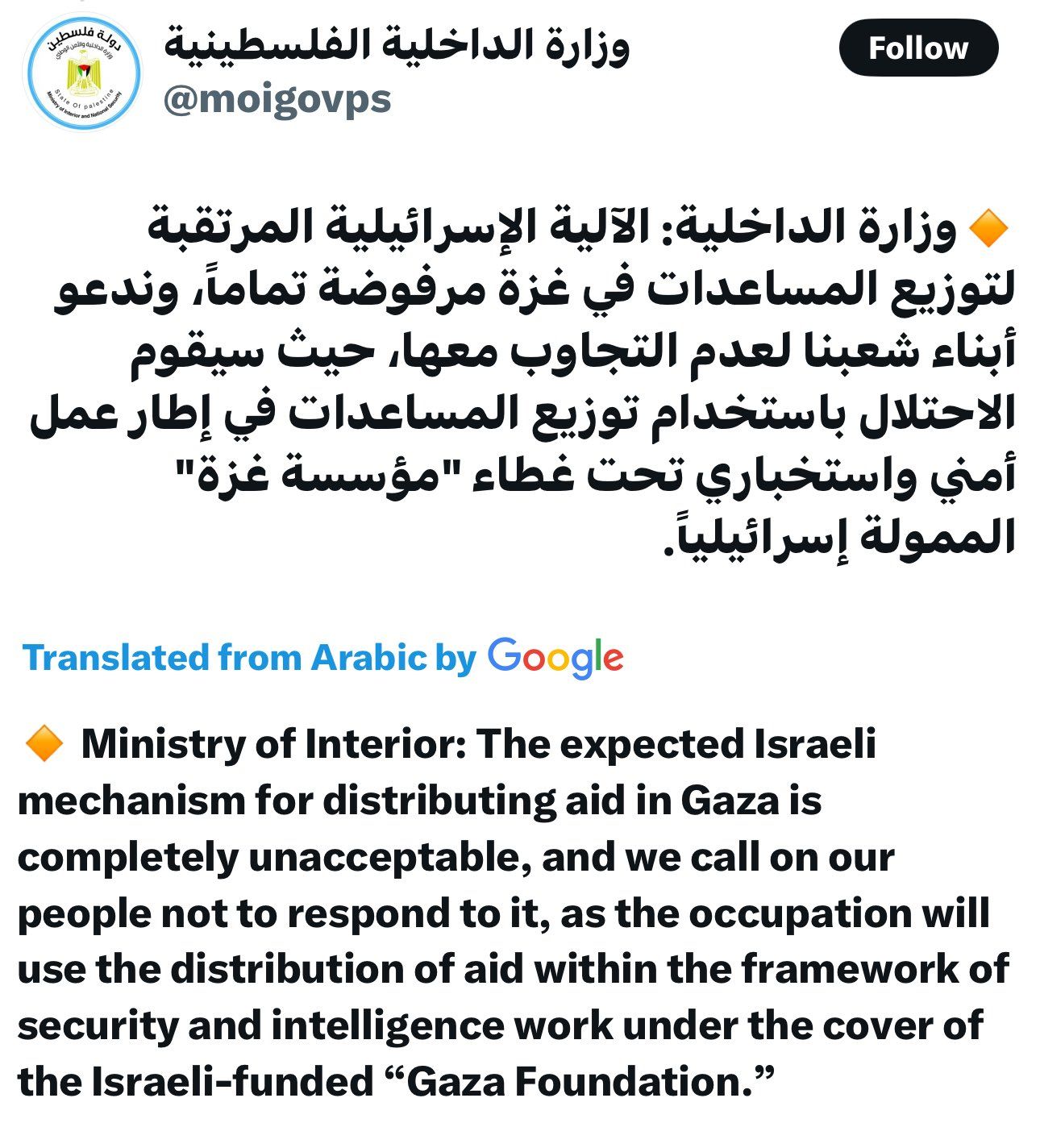
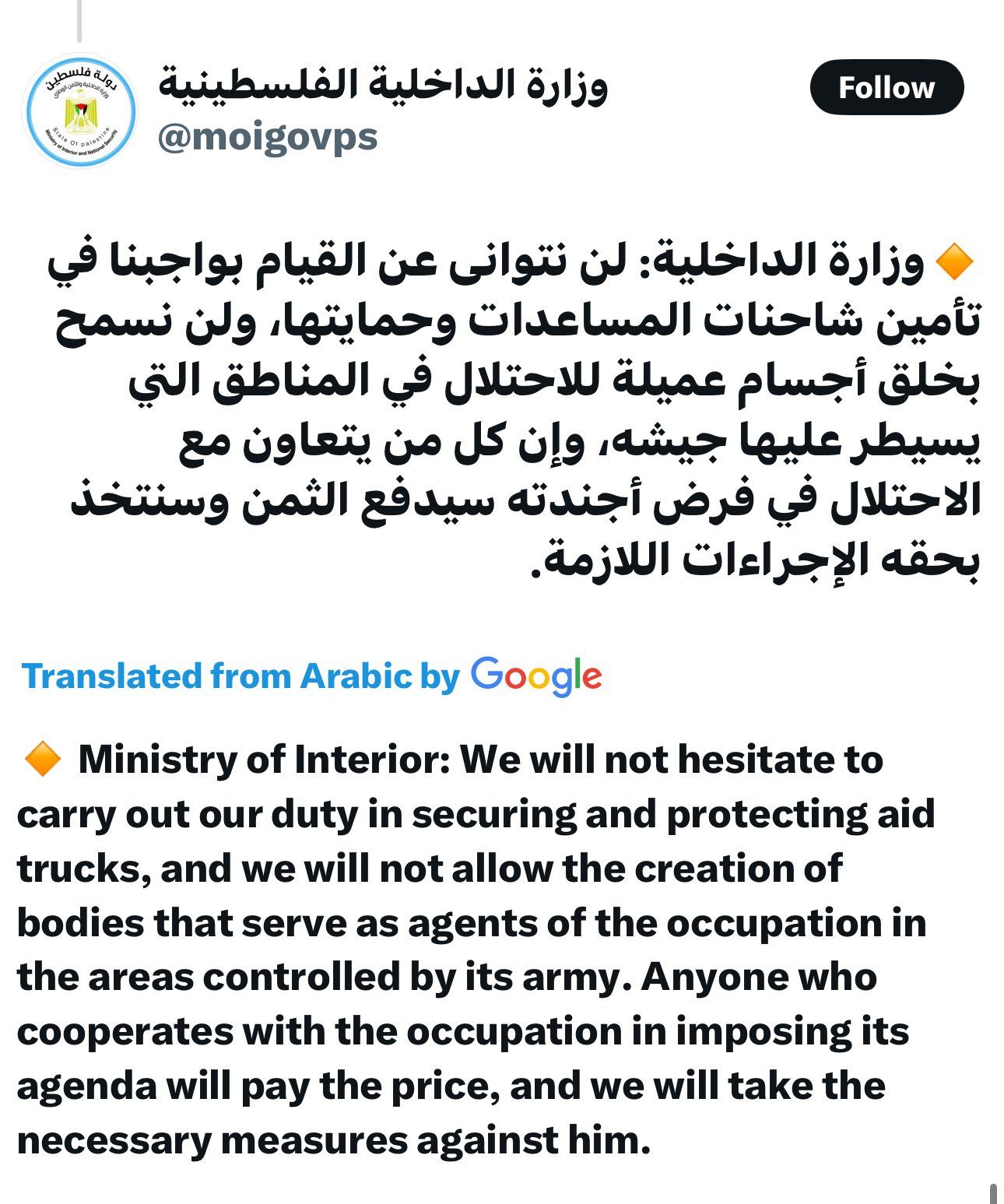
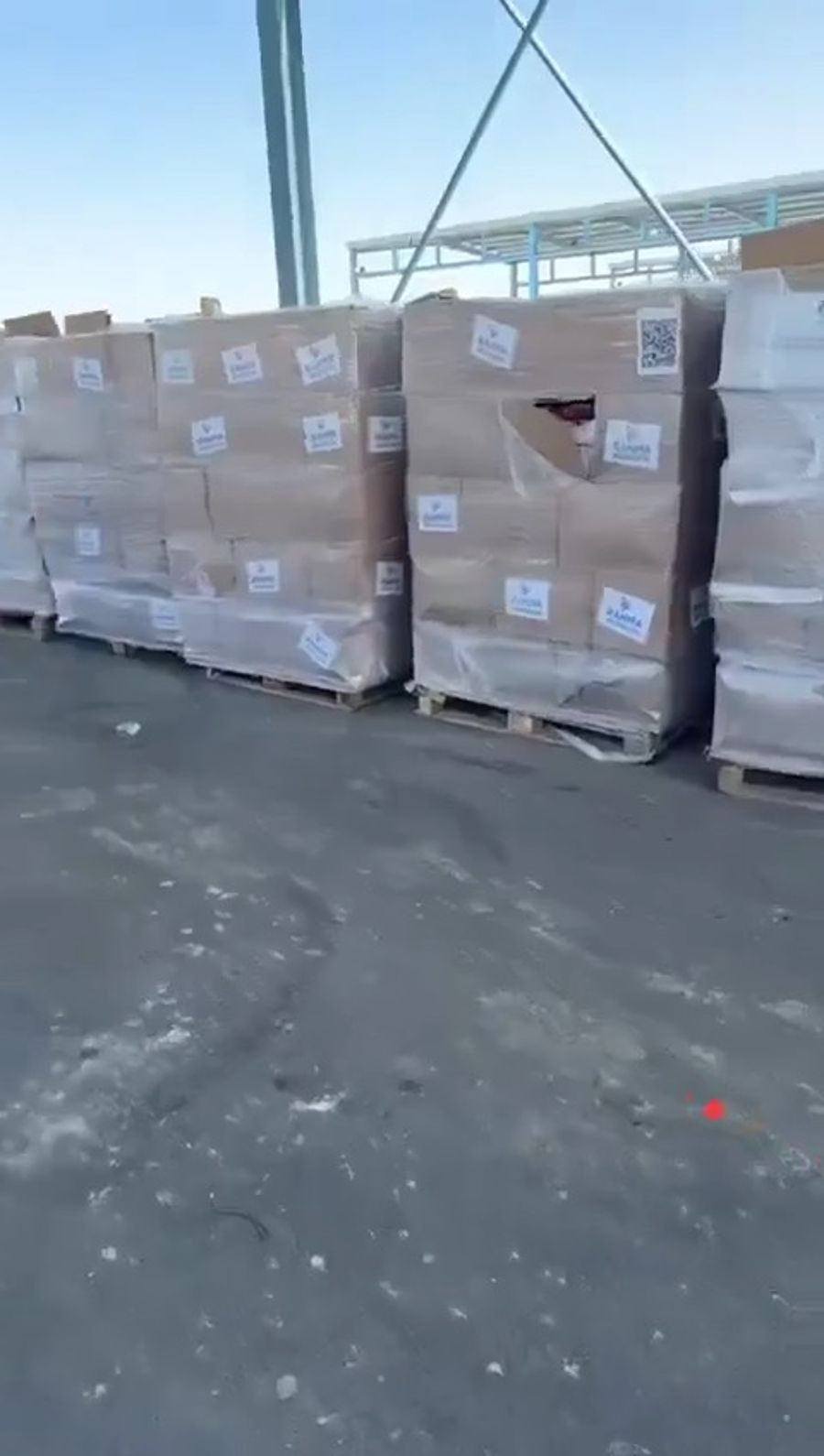
Under UNRWA’s watch, Hamas siphoned off aid, stored it in tunnels, and even launched rockets from school courtyards.When UN operations were blocked earlier this year after serious accusations of collusion with Hamas, those same voices stayed largely silent. But now that aid is moving faster, safer, and more transparently, they’re suddenly outraged.And let’s not forget the sheer logistical chaos the new system is trying to fix. During the last ceasefire period, over 600 aid trucks entered Gaza per day. Yet many Gazans never saw any food. Because with Hamas involved, they would simply take the aid, which was marked “not for resale” and do exactly that! Sell it back to Gazans at ridiculously marked up prices…
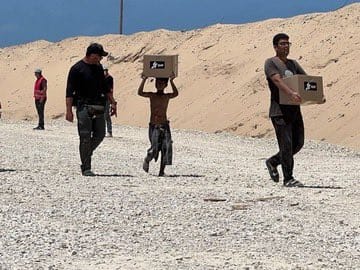
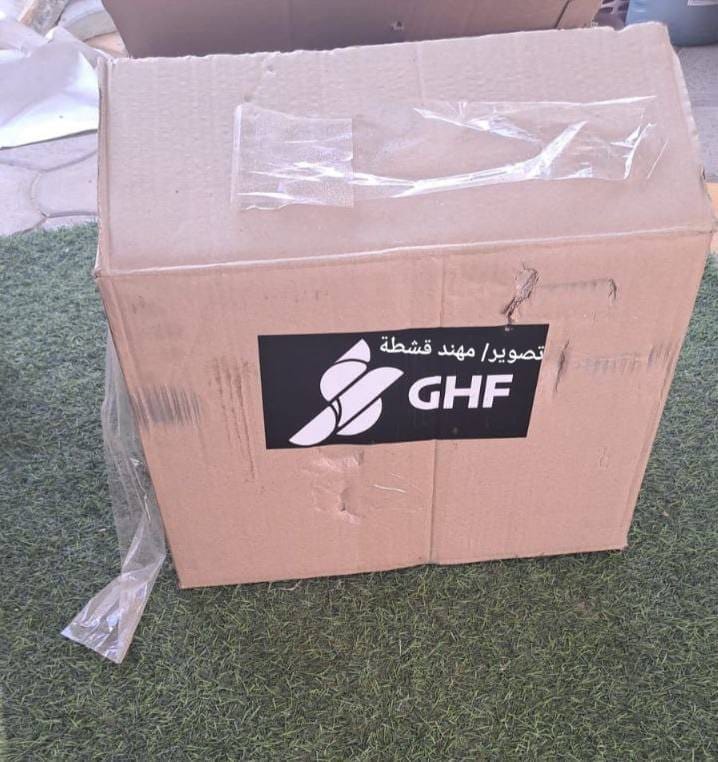
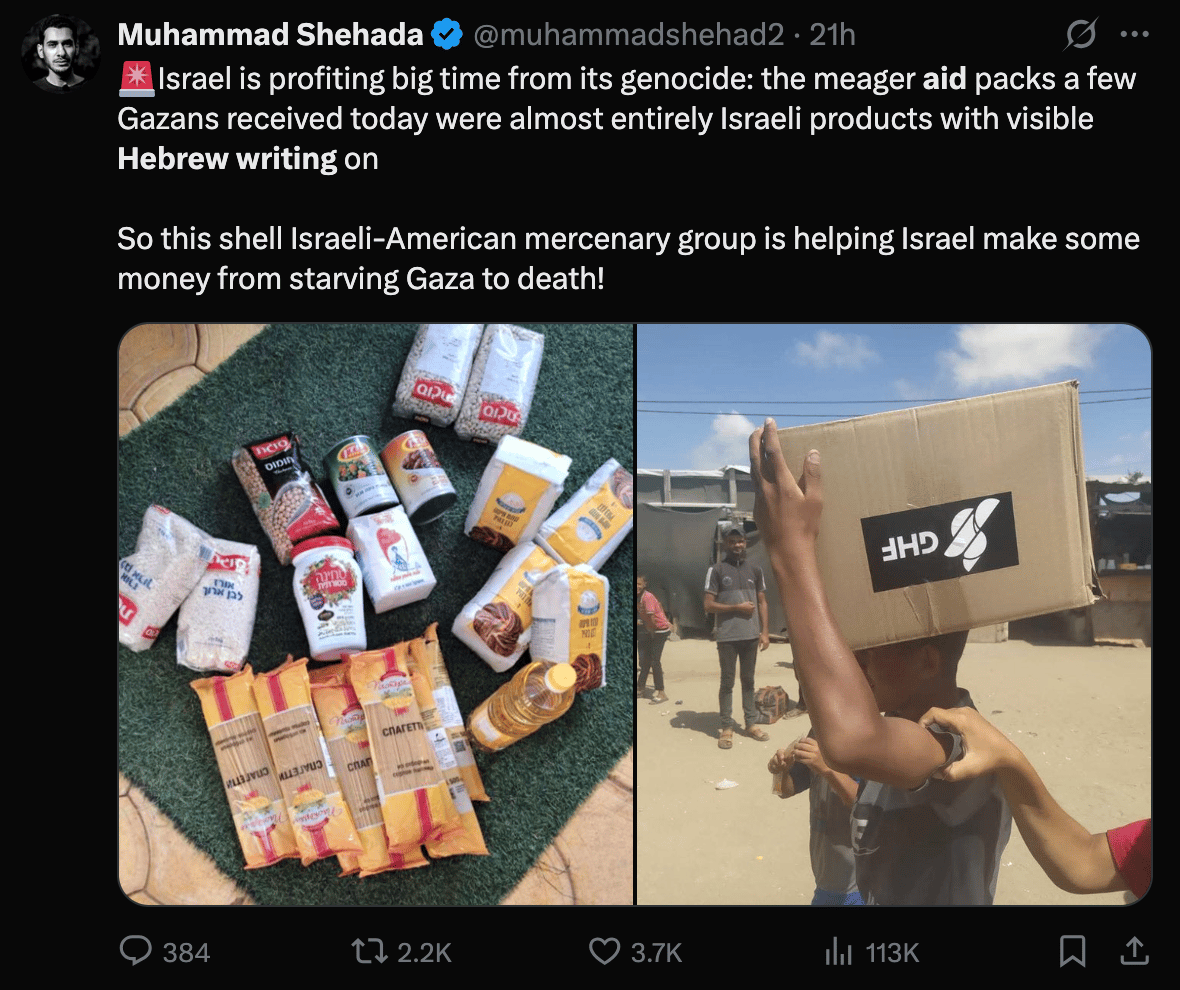
After the conflict reignited in March, that 600 trucks per day number dropped to zero.Food prices rose by 1,400%, bakeries shut down, and the UN itself warned of mass famine. Now that the GHF is working to restart the flow—with trucks moving in, aid being delivered, and thousands being fed—the only real complaint left is: “But it’s not the way we like it.”
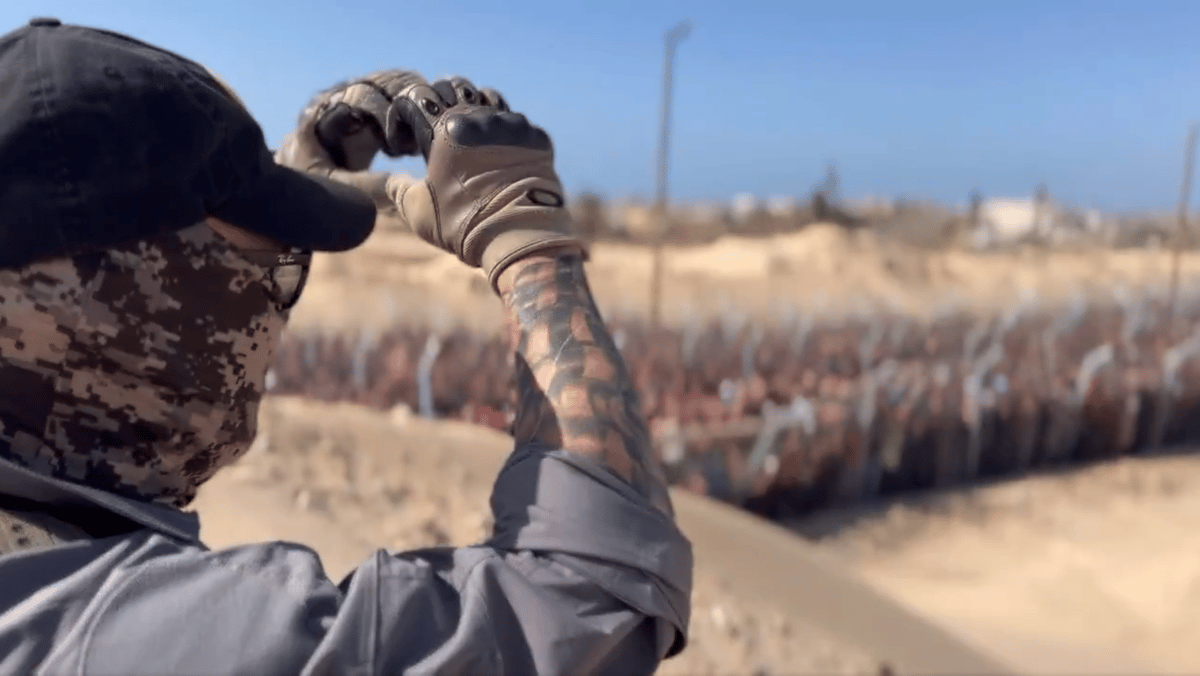
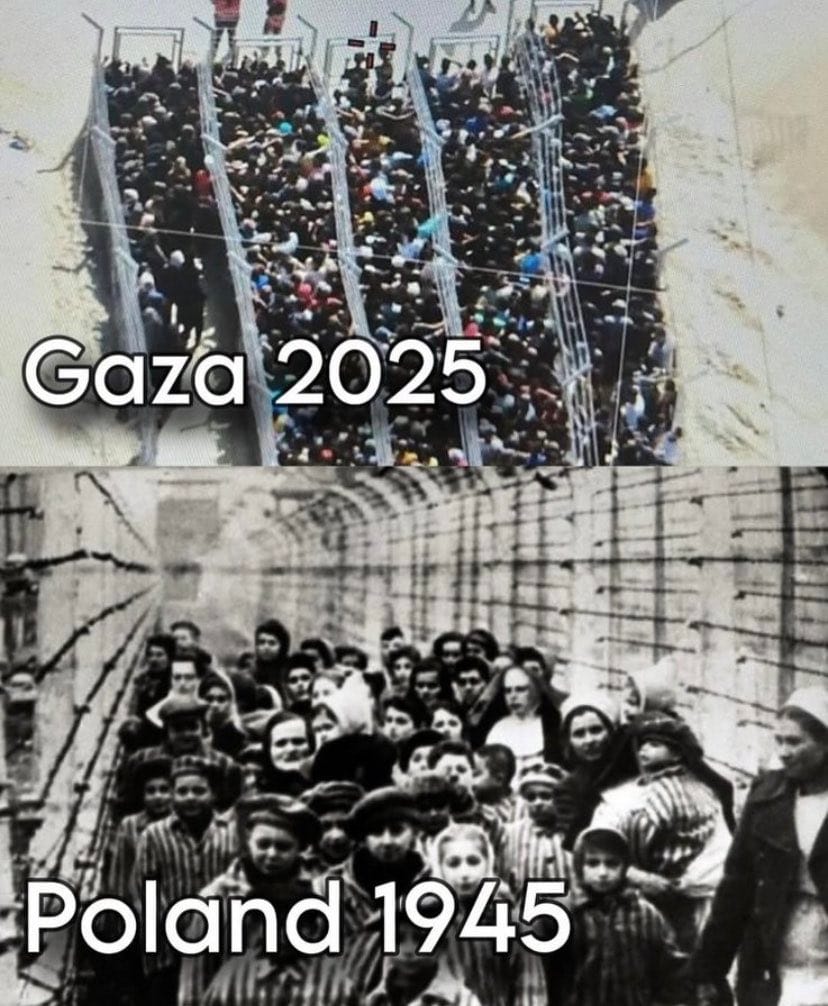
There were hiccups.On day one of the new program, distribution centers in Rafah were overwhelmed by crowds. Fences were broken. Workers retreated. But that didn’t stop the process. Aid kept coming. People returned. And despite threats, tens of thousands showed up again the next day.