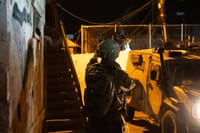
Graham highlighted ongoing discussions within Israel about potentially reinvading parts of Gaza to protect and support these anti-Hamas Palestinian tribes and clans, such as the Popular Forces, Doghmosh, Al-Majayda, and Hellis, who had previously opposed or resisted Hamas rule.
Israel has a history of arming and coordinating with some of these groups to undermine Hamas, as confirmed by Prime Minister Benjamin Netanyahu in June 2025, though many clans declined deeper involvement due to fears of Hamas retaliation.
Graham expressed hope that these factions could independently rise up against Hamas but warned that Israel is prepared to reenter Gaza if needed to safeguard them, stating: "If Israel has to go back into Gaza to save these people, they will."
He advocated for a coalition of Arab countries, building on the Trump-brokered deal's regional involvement, to instead send troops or take the lead in dismantling Hamas and stabilizing the area, arguing this would foster greater long-term change in the Middle East than Israeli action alone.
This aligns with broader revelations of secret military cooperation between Israel and at least six Arab states (including during the war) under a U.S.-led regional security network, which could extend to post-ceasefire efforts like training a new Palestinian police force or deploying international forces in Gaza.
However, public Arab condemnation of Israel's actions persists, and no formal Arab troop deployment has been announced as of October 15, 2025, amid ongoing tensions like Hamas's non-compliance on returning all deceased hostages' bodies.