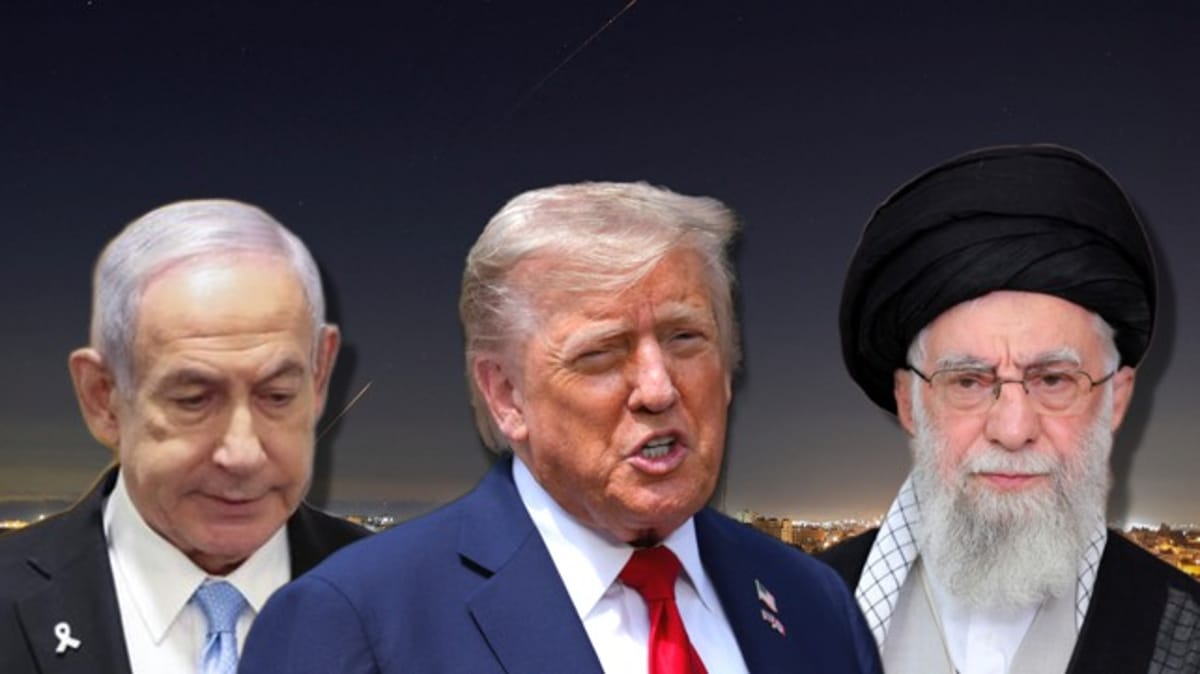
Just today a ceasefire took effect, concluding Israel’s 12-day “Rising Lion” operation, also known as the “12-Day War” against Iran. This historic campaign reshaped regional dynamics by crippling Iran’s nuclear and missile capabilities but left critical challenges unresolved. Below is a detailed breakdown of the outcomes, losses, and future implications.
Casualties and Human Toll
- Israeli Losses: 28 fatalities, predominantly civilians. Over 3,000 injuries reported.
- Iranian Losses: Over 600 deaths, including hundreds of military personnel. Approximately 5,000 wounded, per preliminary Iranian health ministry data, with numbers likely to rise.
Direct Damage Assessment
Israel:
- Hundreds of civilian homes destroyed, displacing thousands due to Iranian missile strikes.
- Minor damage to strategic sites (e.g., Haifa refineries, Ashdod power plant) with negligible operational impact.
- Limited hits on military installations.
Iran:
- Severe damage to nuclear facilities and related production plants.
- Over 200 ballistic missile launchers and 1,000+ missiles destroyed.
- Major missile production facilities largely obliterated.
- Dozens of military bases, regime symbols (e.g., Palestine Square, state TV headquarters), and security headquarters (e.g., police, Basij, intelligence, Evin Prison) heavily damaged.
- Destruction of aircraft, helicopters, airfields, arms depots, drone reserves, and air defense systems.
- Hundreds of residential buildings destroyed during targeted strikes on terror-related targets.
High-Profile Eliminations
Israel:
- No senior officials killed; casualties primarily civilian.
Iran:
- 15–20 top nuclear scientists eliminated.
- Over 20 senior military leaders killed, including: IRGC commander. Khatam al-Anbiya chief (and his successor).
- Armed forces chief of staff. IRGC air force and space commander.
- Palestine Corps commander in IRGC’s Quds Force, a key architect of the October 7 attack.
Israel’s Strategic Achievements
The operation marked a historic success for Israel, with the following key accomplishments:
- Devastated Iran’s nuclear program, setting it back significantly.
- Crippled Iran’s ballistic missile project, destroying over half its launchers and 1,000+ missiles.
- Achieved strategic surprise, conducting intense warfare 1,500 km from home.
- Strengthened Israel’s deterrence, cementing its status as a regional, possibly global, military power.
- Operated successfully after 18 months of multi-front conflicts across seven arenas.
- Secured active U.S. military support, a historic turning point.
- Gained rare international legitimacy, both publicly and covertly, from numerous countries.
- Ensured all Israeli jets returned safely.
- Exposed the failure of Iran’s proxy strategy, as its proxies remained inactive throughout.
- Demonstrated world-class interception capabilities against diverse missile threats.
- Executed a short, high-impact operation despite the enemy’s distance.
Iran’s Achievements and Israel’s Unresolved Challenges
While Iran’s regime survived, it faces significant setbacks, yet several issues remain open for Israel:
- Iran’s regime remains intact, avoiding collapse.
- Iran’s nuclear ambitions persist, with the program damaged but not eliminated.
- Iran’s missile program, though heavily impaired, retains some launchers and missiles.
- Iran’s intent to destroy Israel remains unchanged.
- Iran will likely pursue covert nuclear and missile development, deceiving the West.
- Future Israeli operations against Iran’s programs face logistical, sovereignty, intelligence, and legitimacy challenges, even under a supportive Trump administration.
- The future of Western sanctions on Iran is uncertain.
- The status of 400 kg of 60% enriched uranium remains unknown.
Looking Ahead
Israel’s operation is a monumental achievement, defying expectations and evoking awe akin to a sci-fi narrative. As one observer noted, “Israel cut Iran’s threat to the grass, but it may grow again.” Iran’s persistent ambitions demand vigilance, as it is already working to rebuild. Israel faces the daunting task of enforcing constraints on Iran, a challenge far more complex than countering Hezbollah, due to distance, sovereignty issues, and international legitimacy concerns.
With a supportive U.S. administration under Trump, Israel must establish clear, actionable enforcement mechanisms to prevent Iran’s resurgence. Creating a new reality of routine enforcement, against Iran and global acquiescence, is critical to ensuring the threat remains contained, securing Israel’s future in a volatile region.
Sources: Abu Ali Express and Tx