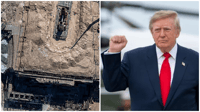
Israeli security sources have identified Thursday afternoon as a critical window for a potential military escalation against Iran, according to reports published Wednesday by Maariv. The assessment, authored by senior military correspondent Avi Ashkenazi, suggests that the conclusion of two major diplomatic events tomorrow could trigger a transition toward a "campaign." The identified window follows the scheduled departure of Indian Prime Minister Narendra Modi from Israel and the conclusion of high-stakes talks in Geneva between U.S. presidential envoys and the Iranian Foreign Minister.
Sources indicate that Thursday at noon marks the point where diplomatic constraints may shift, as the presence of Prime Minister Modi in Israel is viewed as a temporary deterrent to major regional action. Simultaneously, the meeting in Geneva is seen as a final opportunity for a diplomatic breakthrough.
Israeli officials estimate that once these dialogues conclude without a definitive Iranian concession, the path to kinetic action may open. Despite the escalating rhetoric, Ashkenazi reports that President Trump is attempting to maintain the role of the "responsible adult" to prevent an uncontrolled regional conflagration. Internal U.S. polling suggests domestic appetite for a prolonged conflict remains low, with American society showing reluctance to commit national resources to a new Middle Eastern front.
Conversely, Ashkenazi notes a "dual voice" in the international community; while global leaders publicly advocate for diplomacy, they have privately signaled to Washington the risks to the free world should the current Iranian regime emerge from this crisis intact. Addressing reports of potential U.S. ammunition shortages, the analysis dismisses such claims as "implausible," stating that American military planning is mission-oriented rather than time-limited.
If a strike is initiated, Israeli assessments suggest the conflict would primarily involve the United States and Iran, with Tehran likely focusing initial retaliatory strikes on American assets in the Persian Gulf. Iran is also expected to target global fuel markets to pressure the international community. Action against Israel is viewed as a "final stage" Iranian resort, a move analysts argue would be strategically disadvantageous as it would force the regime to face two strong attackers on two fronts. The report emphasizes that while these timings are being closely monitored, they represent a strategic assessment rather than a confirmed operational schedule.