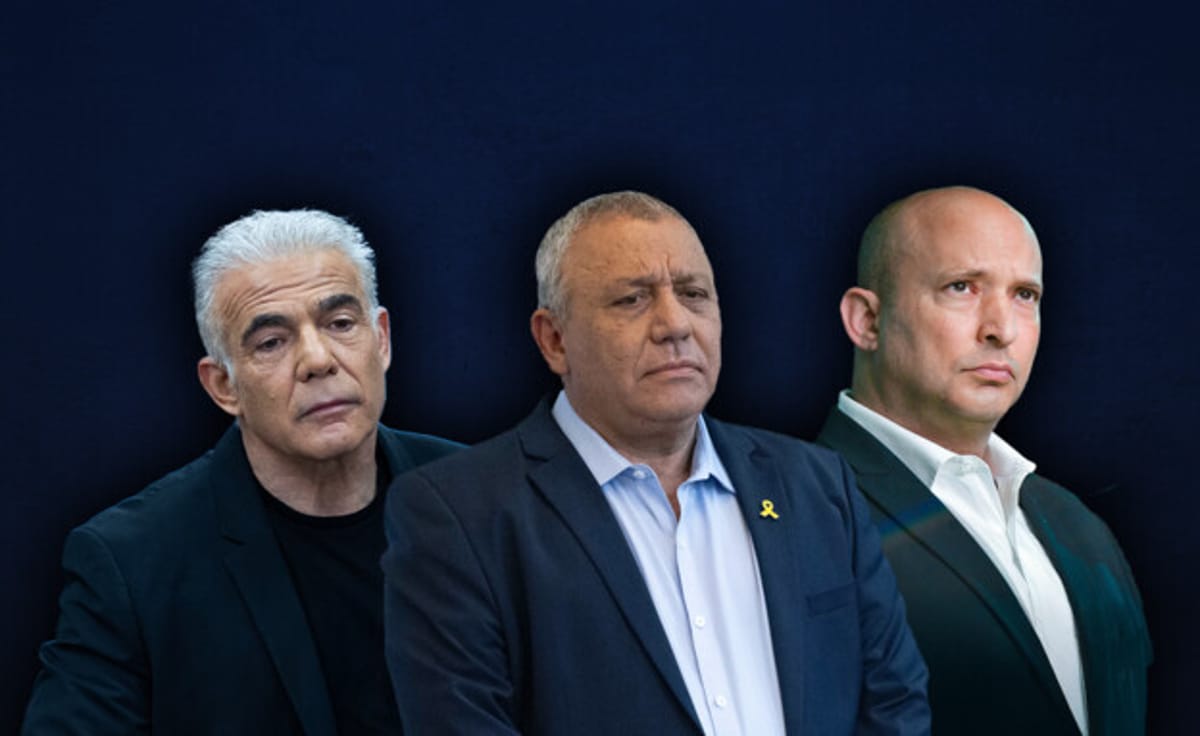
Gadi Eisenkot, the former Chief of Staff and current leader of the Yasar party, recently participated in a high-profile discussion regarding the future of the Israeli political landscape. Addressing the newly formed union between Naftali Bennett and Yair Lapid, Eisenkot made it clear that while he maintains open communication with both leaders, any political alliance must be strictly measured by its ability to expand the base of support for a national Zionist coalition. During an event launching a new book, Eisenkot emphasized that he was informed of the merger before the formal announcement and that he believes the primary goal for the opposition must be the replacement of the current government through a broader appeal to voters.
The merger, which places Bennett at the head of the newly unified party, has received mixed reactions. While opposition figures like Yair Golan and Avigdor Liberman have expressed support for the consolidation as a necessary step to unseat the current administration, the coalition has reacted with intense criticism. Prime Minister Netanyahu and other government ministers have labeled the merger a deceptive attempt to return to power by relying on non-Zionist parties, echoing previous concerns about the composition of the former government. In response, Eisenkot argued that the country is in desperate need of a wide, Zionist unity government that does not rely on radical factions. By setting clear conditions for his potential cooperation, Eisenkot is signaling that he intends to be a central player in the formation of the next government, aiming to avoid the political pitfalls that plagued previous alliances and to ensure that any future coalition is aligned with his vision of a state that prioritizes national consensus over political fragmentation.