Outrage in Orthodox Community

Zohran Mamdani Turns His Back on Rabbi Moshe Indig and the Satmar Community

Mayor Zohran Mamdani has issued his first veto, striking down a bill to create "buffer zones" around NYC schools during protests. The move has ignited a firestorm within the Orthodox community, leaving leaders who supported his election, including Satmar’s Rabbi Moshe Indig, under intense fire for a "betrayal" of student safety.

Mamdani
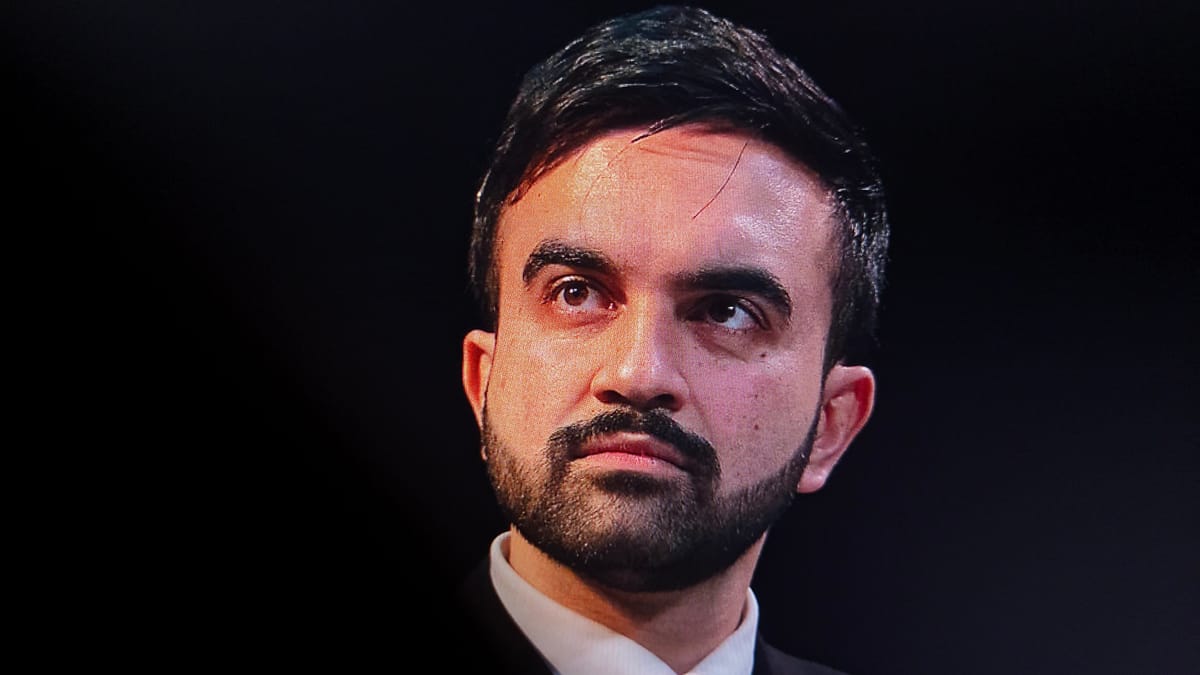
Mamdani (Photo: Shutterstock / FotoField)

Controversy erupted in parts of New York’s Orthodox Jewish community after Mayor Zohran Mamdani issued his first veto as mayor on April 24, rejecting a City Council bill that would have required the NYPD to establish “buffer zones” around schools and educational institutions during protests.

The legislation, known as Intro 175-B, aimed to give police clearer authority to create security perimeters around schools to prevent physical obstruction, intimidation, or interference with students and staff. Supporters, including many in the Jewish community, argued it was needed to shield yeshivas, students, and educational facilities from increasingly aggressive demonstrations, particularly those related to the Gaza war and Israel.

Mayor Mamdani vetoed the bill, stating it was too broad and could restrict First Amendment rights to protest. He noted that the measure might apply not only to schools but also to universities, museums, and teaching hospitals, potentially affecting various forms of demonstration, including those by labor groups, students, or immigration advocates. A separate bill creating buffer zones around houses of worship passed with a veto-proof majority and was not blocked.


The veto has drawn sharp criticism from segments of the Satmar Hasidic community, particularly the Aharonim faction. During the 2025 mayoral campaign, prominent Satmar political leader Rabbi Moshe Indig publicly endorsed Mamdani, a move that was controversial even within Satmar due to Mamdani’s strong pro-Palestinian positions and criticism of Israel.

Critics, including some Haredi media outlets and commentators, now accuse Indig and his allies of “crying foul” after helping propel Mamdani into office. They argue the veto leaves yeshivas and Jewish children more vulnerable to chaotic protests, despite earlier warnings about Mamdani’s ideological stance on policing and demonstrations.

The City Council passed the schools bill by a 30-19 vote, falling short of the 34 votes needed to override a mayoral veto.

Council Speaker Julie Menin is reportedly gauging whether she can "whip" the remaining votes to force the legislation into law.

"Ensuring students can enter their schools without fear should not be controversial," Menin stated, signaling that the legislative battle is far from over.

Jewish advocacy groups have expressed disappointment, viewing the veto as a setback for protecting educational institutions amid heightened tensions and protest activity since the Gaza war began.

Mamdani’s office has defended the decision as a defense of free speech, while progressive and civil liberties organizations praised the veto.

Ready for more?

Join our newsletter to receive updates on new articles and exclusive content.

We respect your privacy and will never share your information.