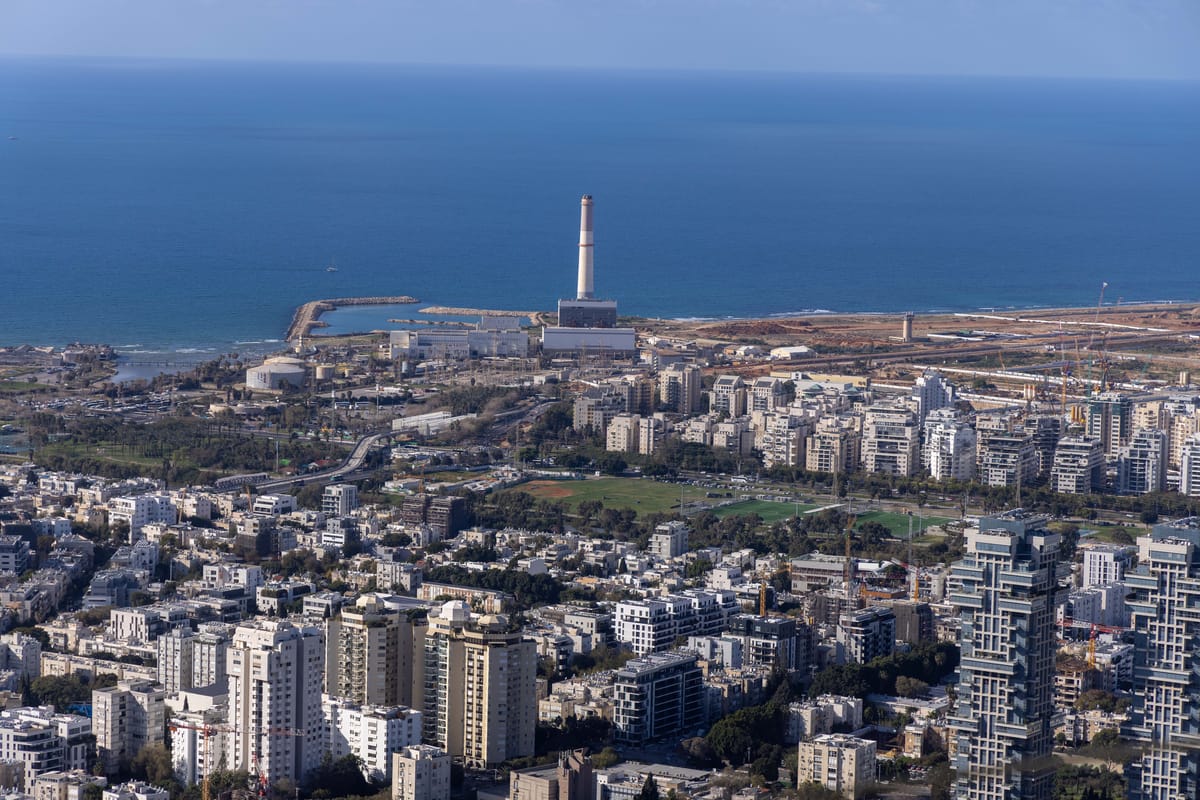
Tel Aviv-Jaffa is set to elect a new chief rabbi on Sunday, ending a nearly nine-year vacancy and capping months of legal and political disputes over the selection process.
The vote will be held at the city’s Religious Council building, with a 64-member electoral body choosing the next rabbi after two delays ordered by the High Court and challenges over the composition of the voting panel.
The position has remained unfilled since Rabbi Israel Meir Lau left office in 2017. Beyond its formal duties, the role carries influence over marriage registration, kashrut certification and membership in the national Chief Rabbinate Council, with added weight due to Tel Aviv’s economic and symbolic significance.
The leading candidates are Rabbi Zevadia Cohen, backed by Shas, and Rabbi Haim Amsalem, a former Shas lawmaker who has taken a more integrationist stance on ultra-Orthodox participation in Israeli society. Other contenders include Rabbi Tzvi Yehuda Lau and Rabbi Aryeh Levine.
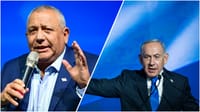
The race has drawn national attention, with former IDF chief of staff Gadi Eisenkot calling for the selection of a rabbi who supports military service and reflects broader societal values. He urged local leaders not to back candidates opposed to enlistment, framing the contest as part of a wider debate over religion and civic responsibility.
The dispute began in December, when Tel Aviv council members petitioned the High Court, arguing that the Religious Services Ministry had sidelined the municipality in forming the electoral body. The court initially froze the process, citing flaws in consultation procedures, before allowing the vote to proceed after revisions.
The outcome is expected to influence not only religious administration in Tel Aviv but also ongoing tensions over the role of religion in public life in one of Israel’s most secular cities.