Iran's Secret Nuclear Sprint: Inside the 12-Month Race to the Bomb
440kg of enriched uranium buried beneath bombed facilities • Underground centrifuge networks and covert weapons teams | The four-stage breakout scenario (Middle East)

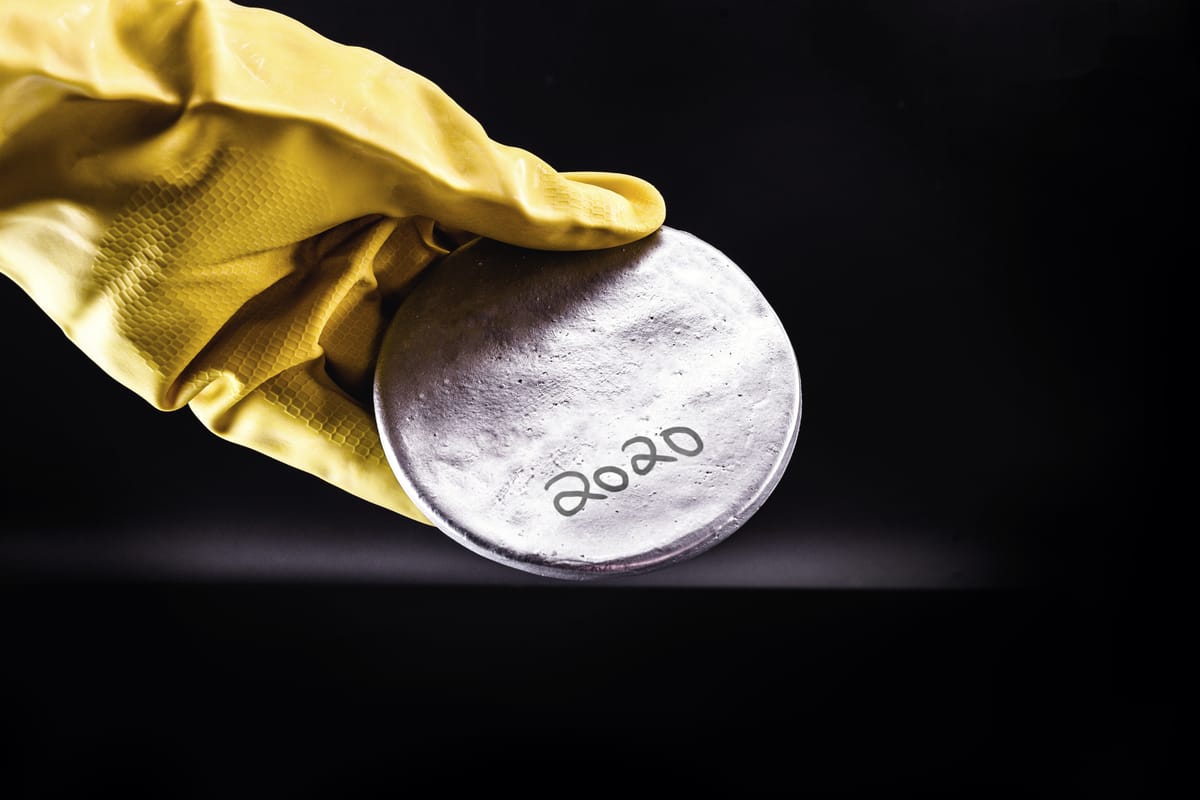
Intelligence assessments indicate that Iran currently maintains approximately 440 kilograms of enriched uranium, sufficient material to produce eleven nuclear weapons. This stockpile, reportedly buried beneath the rubble of bombed nuclear facilities in Isfahan and other sites previously targeted by American and Israeli strikes, represents the Islamic Republic's most dangerous strategic asset. If Tehran refuses to surrender this material, Western analysts warn the regime could initiate a "sprint to the bomb" that might conclude in less than twelve months.
The pathway to nuclear capability involves four distinct phases, each presenting unique technical challenges and detection risks. Understanding this timeline has become critical as diplomatic efforts between Washington and Tehran remain deadlocked over the fate of the enriched uranium. President Trump recently announced that Iran had agreed to surrender its entire enriched uranium stockpile, though implementation details remain unclear and Iranian state media has offered contradictory narratives.
Phase One: Uranium Recovery and Concealment
The initial stage requires Iranian operatives to excavate and locate the enriched uranium buried beneath the destroyed nuclear installations. This material must then be covertly transported from the bombed sites while evading American satellite surveillance and Israeli drone reconnaissance. The logistical challenge involves disguising the uranium transfer as routine debris removal, a deception that would need to fool some of the world's most sophisticated intelligence-gathering systems currently monitoring Iranian nuclear sites around the clock.
Phase Two: Centrifuge Network Activation
Once the uranium reaches a secure location, Tehran must activate several hundred advanced centrifuges at a dedicated facility. Iranian engineers have manufactured thousands of these devices in recent years, and crucially, the regime has ceased declaring their locations to international inspectors. Establishing such a covert enrichment plant could require only a few months, and Western intelligence agencies acknowledge the possibility that Iran has already constructed hidden facilities for precisely this purpose.
The enrichment process itself would take between several days and a few weeks to upgrade uranium from its current 60 percent purity to the 90 percent weapons-grade threshold needed for a single nuclear device. This represents the most technically demanding phase, requiring precise calibration and continuous operation of the centrifuge cascade.

Phase Three: Metallurgical Conversion
Converting enriched uranium into metallic form demands specialized chemical processing at a purpose-built installation similar to the facility destroyed in Isfahan during previous strikes. Constructing this infrastructure would require several months, though intelligence sources cannot rule out that Iran has already established such capabilities in undisclosed locations. This metallurgical stage transforms the enriched uranium into the physical components necessary for weapons assembly.
Phase Four: Weaponization and Delivery
The final phase involves Iran's clandestine "weapons group," a team of scientists responsible for designing the explosive mechanism that initiates the nuclear chain reaction. According to intelligence reports, most of this team has been eliminated and their facilities destroyed, forcing Tehran to rebuild the program virtually from scratch. Experts estimate this weaponization phase could require approximately six months, though preliminary testing on non-nuclear components could proceed in parallel with earlier enrichment stages.
Achieving "threshold nuclear state" status would position Iran similarly to North Korea two decades ago. The regime possesses ballistic missiles capable of delivering nuclear warheads, though integrating the weapon mechanism onto a missile platform that can survive launch presents additional engineering challenges. The United States has deployed unprecedented naval forces to the region, with three carrier strike groups maintaining constant readiness as a deterrent against Iranian nuclear advances.

The Underground Test Alternative
A potential shortcut exists that could bypass the complexities of missile integration entirely. Iran could conduct a successful underground nuclear test, generating a seismic signature detectable by Western monitoring systems. Such a demonstration would immediately establish Iran as a proven nuclear weapons state, fundamentally altering the strategic calculus in the Middle East. The specter of a nuclear detonation in Dubai, Riyadh, or Tel Aviv would create deterrence effects that could paralyze Western military options against the Islamic Republic.
While the complete timeline from uranium recovery to operational nuclear capability could extend beyond two years, the underground test pathway offers Tehran a faster route to nuclear status. Ongoing negotiations reportedly involve a $250 billion American aid package in exchange for Iranian nuclear concessions, but the critical sticking point remains the 440 kilograms of enriched uranium. Washington demands the material be removed from Iranian territory or transferred to European custody, while Tehran insists on retaining control.
As diplomatic efforts continue, intelligence agencies maintain constant surveillance of Iranian nuclear sites, knowing that any indication of a breakout attempt would trigger immediate international response.
The race against time has become the defining feature of Middle Eastern security, with all eyes focused on Iran's next move in the nuclear chess match.