Returning to War? Home Front Command Updates Security Guidelines Amid Rising Tensions
Limitations apply to Meron, Bar Yochai, and frontline communities • Policy updated following repeated Hezbollah ceasefire violations • Restrictions in effect until Monday evening (Israel News)

Home Front Command issued updated defense guidelines on Sunday evening, imposing a restriction of 1,500 participants for gatherings and events in the confrontation line zone and adjacent communities. The new limitations apply to both indoor and outdoor assemblies in the northern border region, including the communities of Meron, Bar Yochai, Or HaGanuz, and Sapsafa.
The updated policy, which took effect immediately, will remain in force until Monday at 8:00 PM. Military officials emphasized that all other guidelines, including those governing educational institutions and economic activity, remain unchanged. The decision comes against the backdrop of mounting Hezbollah ceasefire violations that have raised security concerns along Israel's northern frontier.
Escalating Violations Prompt Response
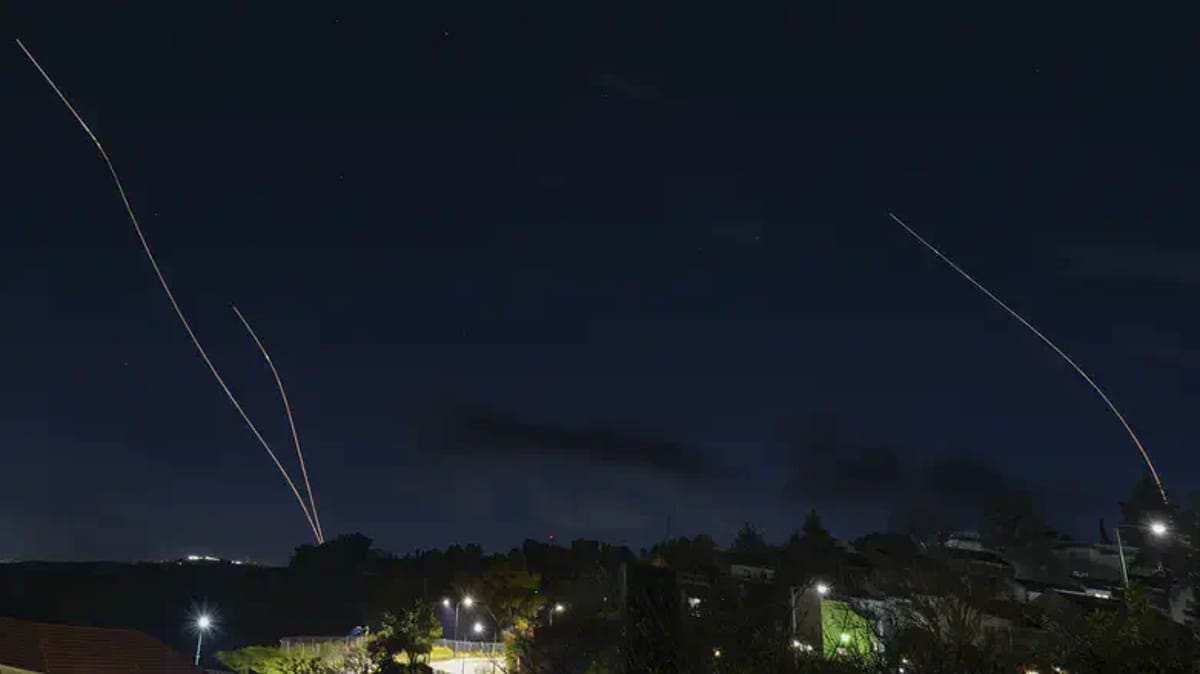
The Home Front Command's announcement followed a series of security incidents on Sunday that underscored the fragility of the ceasefire arrangement. Earlier in the day, sirens sounded in the Galilee Panhandle communities of Misgav Am, Manara, and Margaliot after Hezbollah launched rockets from Lebanese territory. According to IDF statements, one projectile was intercepted while the second fell in an open area according to policy, with no casualties reported.
The military characterized the attacks as "a blatant violation of the ceasefire agreement by Hezbollah." Shortly thereafter, additional alerts were activated in Western Galilee communities—including Hanita, Yir'on, Metzuba, Shlomi, Betzet, Rosh HaNikra, and Avdon—due to concerns about hostile unmanned aerial vehicle infiltration from Lebanon. The Upper Galilee community of Malkia also experienced sirens for similar reasons.

Netanyahu Orders Forceful Response
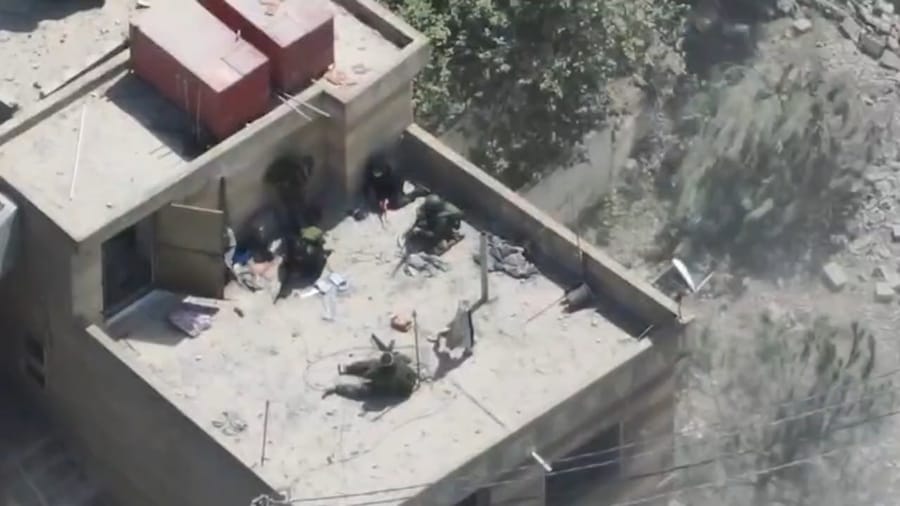
Prime Minister Benjamin Netanyahu's office conveyed Saturday evening that he had directed the IDF to strike Hezbollah targets in Lebanon with significant force. The directive came in response to what officials described as repeated and systematic violations by the terrorist organization of the ceasefire terms. The IDF subsequently conducted operations against buildings that had served Hezbollah's military purposes, including facilities used by the terror group's elite Radwan Force unit, as well as a weapons storage depot located south of the forward defense line.
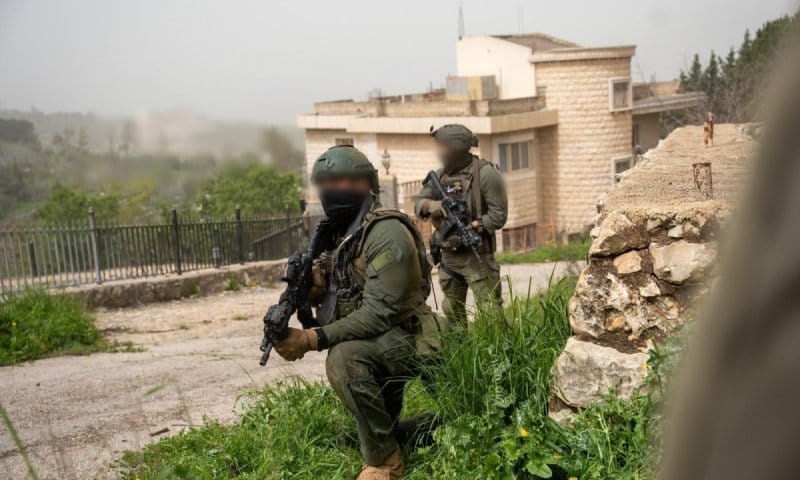
Prior to the rocket launches, the Israeli Air Force intercepted a suspicious aerial target that had been identified in the area where IDF forces are operating in southern Lebanon. Military officials noted that the target did not cross into Israeli territory, and in accordance with policy, no alerts were activated for that incident. The interception demonstrated the ongoing vigilance maintained by Israeli defense systems despite the nominal ceasefire.
Pattern of Ceasefire Breaches
Sunday's incidents add to a troubling pattern that emerged over the weekend. On Saturday, the IDF intercepted an unmanned aerial vehicle before it crossed into Israeli airspace, though unlike Sunday's events, alerts were activated in multiple northern regions during that incident. Additionally, military forces detected a suspicious aerial target near IDF units operating in southern Lebanon, though contact with that object was subsequently lost.
The accumulation of violations has raised serious questions about the viability of the ceasefire arrangement. Security officials have warned that without sustained American diplomatic pressure on the Lebanese government, the entire framework could collapse. The ceasefire, which was extended by President Donald Trump for an additional three weeks, has witnessed no fewer than 16 documented violations by Hezbollah within a single seven-day period, according to Israeli defense sources.
As the situation continues to develop, residents of northern communities remain under heightened alert, with the new gathering restrictions reflecting the military's assessment of the current threat environment. The Home Front Command emphasized that while the limitation on assembly sizes represents a precautionary measure, the overall security posture in the region remains subject to rapid adjustment based on evolving circumstances along the Lebanese border.