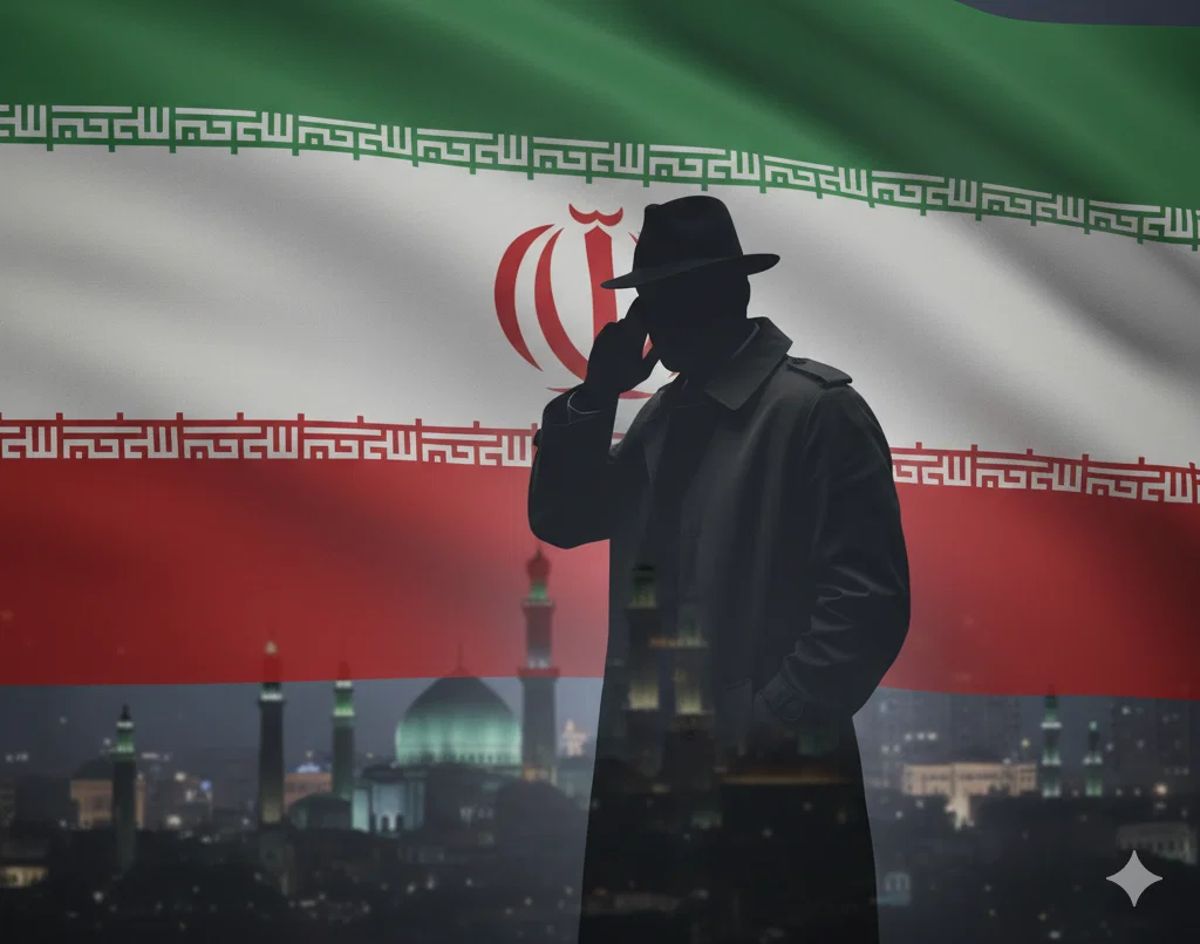
The Ashkelon Magistrate's Court cleared for publication this morning (Monday) harrowing new details regarding a severe security case that has sent shockwaves through Israel’s defense establishment.
According to the newly released information, several Israeli suspects are under investigation for allegedly providing various services to Iranian intelligence operatives. In a terrifying departure from previous espionage cases, the suspects are accused of manufacturing explosives at the behest of their Iranian handlers and even conducting live tests on the materials they produced.
From Information Gathering to Active Weaponry
The investigation, spearheaded by the Lahav 433 Special Investigations Unit, marks what officials call a "grave escalation." While recent months have seen a surge in cases involving Israelis filming sensitive sites or transmitting intelligence for money, this case involves the actual production of weaponry intended for use against the state.
This activity reportedly took place during the "Lion's Roar" war.
A Wave of Betrayal
This revelation follows a series of unprecedented espionage busts:
- The Jerusalem Case: Two brothers were recently indicted for maintaining contact with an Iranian agent via Telegram, receiving payment in cryptocurrency.
- The Juvenile Case: A 14-year-old was caught performing missions for Iran for a mere $1,170, which included filming sensitive locations and attempting to rent an apartment near the "Kirya" defense headquarters in Tel Aviv.
"No Greater Desecration of God's Name"
The recurring cases have prompted spiritual leaders to speak out. Rabbi Yigal Cohen issued a tearful warning to the public:
"I beg of you, there is no greater Chilul Hashem (desecration of God's name) than seeing a Torah-observant Jew betraying his own people. This is betrayal. They want to kill scientists; they want to strike us eye for an eye. Even a photograph of a location is a danger, they can aim their missiles there."
Unprecedented Consequences
In response to the surge in internal threats, Prime Minister Benjamin Netanyahu has issued a directive to pursue the revocation of citizenship for anyone convicted of espionage. This precedent-setting move underscores the severity with which the government views this new trend of domestic collaboration with the Iranian regime.
While the court has allowed these "paraphrased" details to be published to satisfy the public interest, many specific elements of the case, including the identities of the suspects, remain under a strict gag order to protect national security.