An investigative expose published by the American reporting outlet The Intercept has exposed a vast, covert digital enforcement campaign orchestrated by the Israeli government to systematically purge wartime documentation from global social media platforms. According to internal records leaked from tech giant Meta, state authorities successfully demanded the sweeping removal of real time public posts and user accounts across Facebook and Instagram during the height of the military escalation with Iran. The internal logs demonstrate that corporate decision makers frequently acquiesced to these backchannel directives, significantly altering the flow of objective information available to billions of global users.
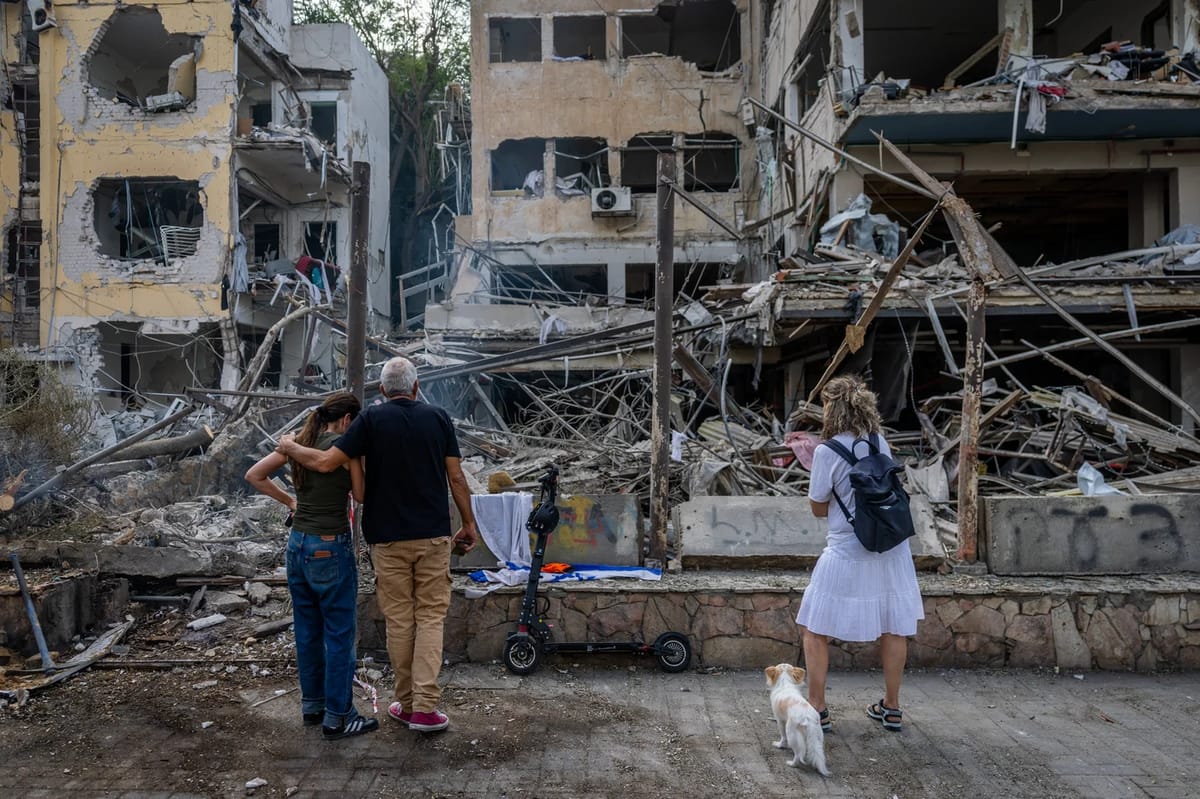
The targeted content spanned a wide spectrum of visual and textual materials, extending far beyond simple security concerns to include independent military evaluations and regional propaganda. State agencies specifically flagged and removed public expressions of support for the Iranian regime, anti Israel commentary, and even verified journalistic documentations of ballistic missile impacts within Israeli borders. Among the censored materials were real time video recordings displaying the physical structural damage inflicted upon a residential zone in the city of Arad during the heavy bombardment on March 22, 2026.
Furthermore, the leaked documentation reveals that the digital dragnet heavily targeted public reactions surrounding the opening day of the war, including posts mourning the death of Iranian Supreme Leader Ali Khamenei, who was jointly assassinated by American and Israeli forces. Accounts sharing detailed tactical breakdowns or expressing alignment with the geopolitical perspective of Tehran were also systematically deactivated. When questioned about the specific legal justifications utilized to execute these massive accounts closures, Meta representatives repeatedly declined to clarify how many state directed removal requests the company has fulfilled since the war began.
Legal specialists reviewing the internal logs observed a highly unusual mechanism in the state's censorship strategy, noting that the state cyber unit rarely argued that the targeted posts violated domestic statutory law. Instead, state prosecutors filed routine complaints claiming that the independent commentaries directly breached Meta's internal terms of service and dangerous organizations policies. While Meta explicitly classifies the Islamic Revolutionary Guard Corps as a prohibited entity, legal scholars argue that applying this rule to suppress raw journalistic footage of missile strikes creates a profound ideological bias lacking any firm basis in international sanctions law.
A central component of Jerusalem's digital influence relies on its exceptional, high level access to the platform's core policy teams, a privilege enjoyed by very few sovereign nations. The investigation highlights the influential role of Jordana Cutler, a former top advisor to Benjamin Netanyahu who currently serves as Meta's dedicated governmental liaison. Sources familiar with the internal corporate dynamics disclosed that Israeli officials aggressively lobbied for a blanket restriction against displaying any domestic war damage, mimicking the restrictive parameters of local military censorship, though corporate leadership has resisted a permanent blanket ban for the time being.
Despite that minor administrative resistance, the statistical evidence confirms an overwhelmingly cooperative relationship between the technology conglomerate and the state security apparatus. Corporate compliance data shows that Meta historically approved 92 percent of government takedown requests, a figure that climbed to an astonishing 94 percent following the October 7 terrorist attacks. Security experts warn that the state's reliance on identical boilerplate language for both Palestinian content and Iranian war updates indicates that authorities expect their backchannel requests to be processed almost automatically, effectively outsourcing national narrative control to a private firm in California.