Netanyahu: "You Are a Brother, Narendra"
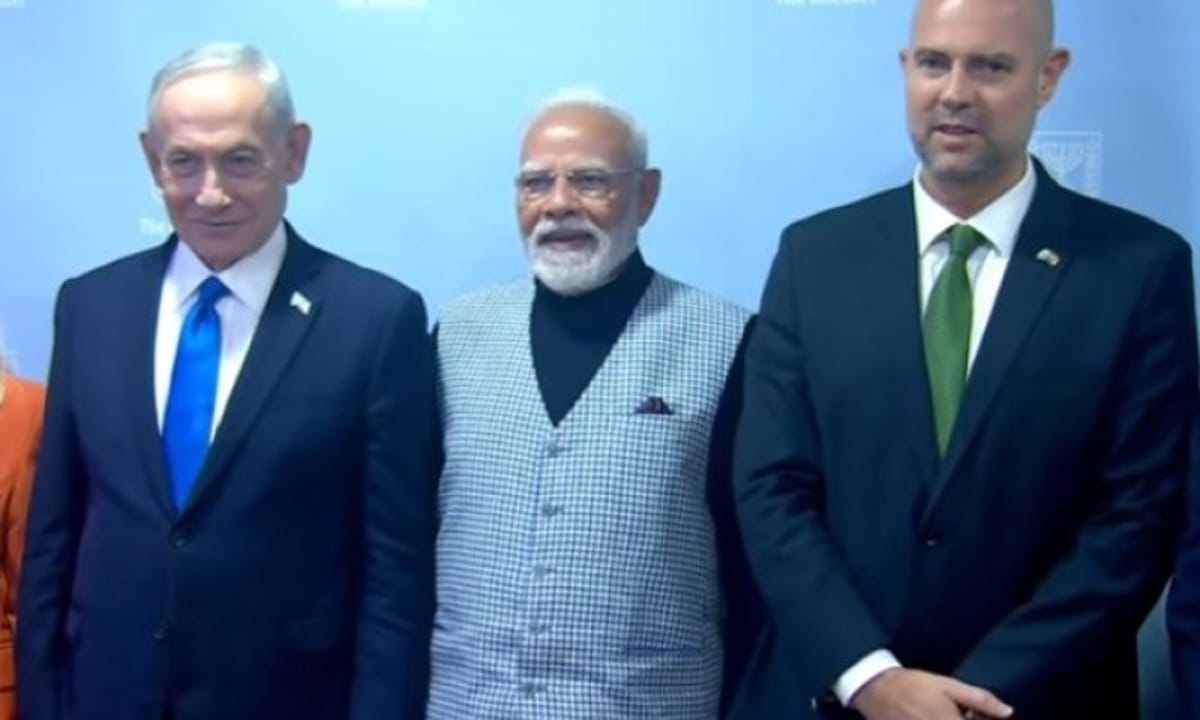
Opening the session, Prime Minister Netanyahu bypassed traditional diplomatic formalities to emphasize a deeply personal friendship.
"Narendra, my dear friend, I am moved by your visit," Netanyahu said. "I must be diplomatic and cannot rank visits, but I will say I have never been more moved than by your arrival. You are not just a friend; you are a brother."
Netanyahu highlighted the "miracles" the two nations have achieved together since Modi's last visit, noting:
- Trade and Technology: A tripling of bilateral trade and a four-fold increase in cooperation agreements, including sensitive defense partnerships.
- Shared History: Acknowledging the "multiplier effect" of the alliance between two ancient civilizations that achieved independence from the British at nearly the same time.
Netanyahu thanked India for its support following the October 7 massacre, noting that Indian-Israelis have fallen in battle defending the state. "The Axis of Evil will not break us; we are breaking it," Netanyahu declared.
Modi: "Zero Tolerance for Terror"
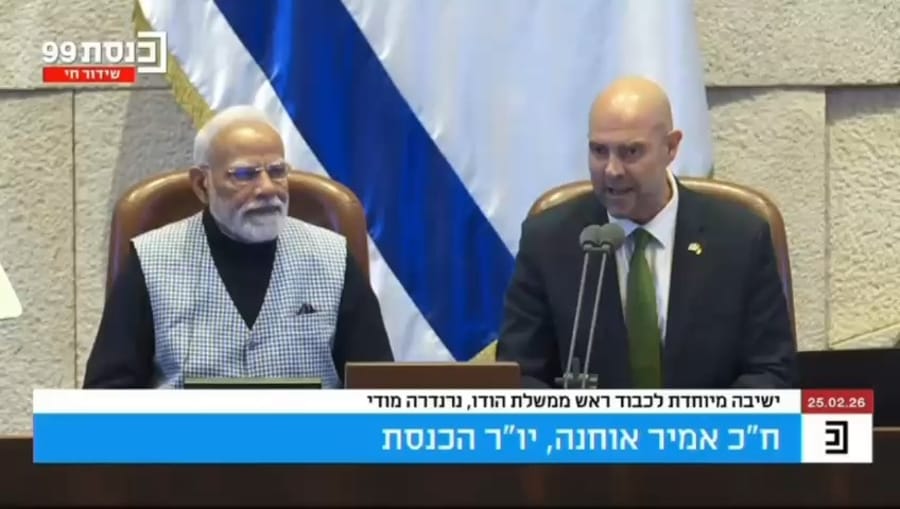
Taking the podium for the first-ever speech by an Indian Prime Minister to the Knesset, Modi began with a warm "Shalom, Namaste" to the 1.4 billion Indians he represents.
"I stand here not just as a representative of the Indian nation, but as a representative of an ancient culture addressing another ancient culture," Modi stated. He noted the historic significance of his birth date, September 17, 1950, which coincides with the day India officially recognized the State of Israel.
Key points from PM Modi’s address:
Solidarity Against Terror: Modi offered the condolences of the entire Indian nation for the "barbaric terrorist attack" of October 7. He drew a direct parallel to the Mumbai terror attacks, stating, "Our policy is zero tolerance for terrorism, regardless of the source."
The Path to Peace: While acknowledging the challenges to regional stability, Modi reaffirmed India's support for the Abraham Accords and the U.S.-led peace initiatives presented at the UN Security Council.
Ancient Ties: He referenced the Book of Esther and the Talmud as evidence of a 3,000-year-old connection, noting that Jewish communities have lived in India "without fear" for millennia.
A Symbol of Unity
The evening concluded with the Knesset building illuminated in the colors of the Indian tricolor. Speaker Amir Ohana, who was the first Knesset Speaker to visit India, praised the visit as a bridge between the Indus Valley and the Jordan Rift Valley.