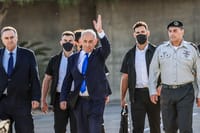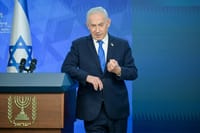
Israeli Prime Minister Benjamin Netanyahu has signed off on a U.S.-mediated ceasefire with Hamas, a big change from last year when he turned down similar offers that would wrap up the fighting in Gaza. This comes as he's staring down upcoming elections and dealing with shifting winds from Washington, per Walla.
The first phase of the deal, rolled out yesterday, calls for freeing all the remaining Israeli hostages, about 48 in total, including those who've passed away, in swap for as many as 1,950 Palestinian prisoners. It also boosts aid into Gaza with up to 600 trucks a day and pulls Israeli troops back to a set "yellow line." Later stages will tackle things like getting Hamas to lay down arms and figuring out who runs Gaza after the war.
Back in 2024, Netanyahu was dead set against any full agreement, pushing for "total victory" and wiping out Hamas completely. In a June interview on the Israeli show "The Patriots," he put it this way: "I'm open to a partial deal to get some of our people back, but we're locked in on restarting the war after any break to finish off Hamas. No way I'm backing down on that."
Now, this new deal doesn't hinge on fully destroying or disarming Hamas to end the conflict.
Two main things seem to have flipped the script: elections looming in Israel and some tough love from the Trump team. Voting could happen anytime in the next year, maybe even sooner, based on most forecasts. Polls show Netanyahu's group of far-right and ultra-Orthodox allies barely holding on to block the opposition. Partners like Finance Minister Bezalel Smotrich and National Security Minister Itamar Ben-Gvir had warned they'd blow up the government if the war stopped, worried it'd kill their hopes for resettling Gaza.
On top of that, Netanyahu's been taking hits internationally. Almost a year back, the International Criminal Court in The Hague put out an arrest warrant for him. A bunch of countries, even old friends in Europe, have started recognizing Palestine as a state and saying he's not welcome. Israel nearly got kicked out of global sports events and Eurovision.
Plus, Mamdani, top contender for New York City mayor said he'd have Netanyahu arrested if he shows up there.
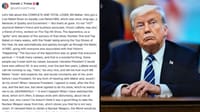
Ever since Donald Trump won the U.S. election in November 2024, Netanyahu leaned hard on his backing. But lately, word is Trump got fed up with the talks dragging on. At their joint presser, Trump said: "Getting the hostages home and ending the war? That's super popular."
He went on: "I've seen these huge crowds in Israel chanting my name—they dig me for whatever reason. They're all about two things: Bring back the hostages and wrap up the war already. They're over it, done. So yeah, this is a crowd-pleaser."
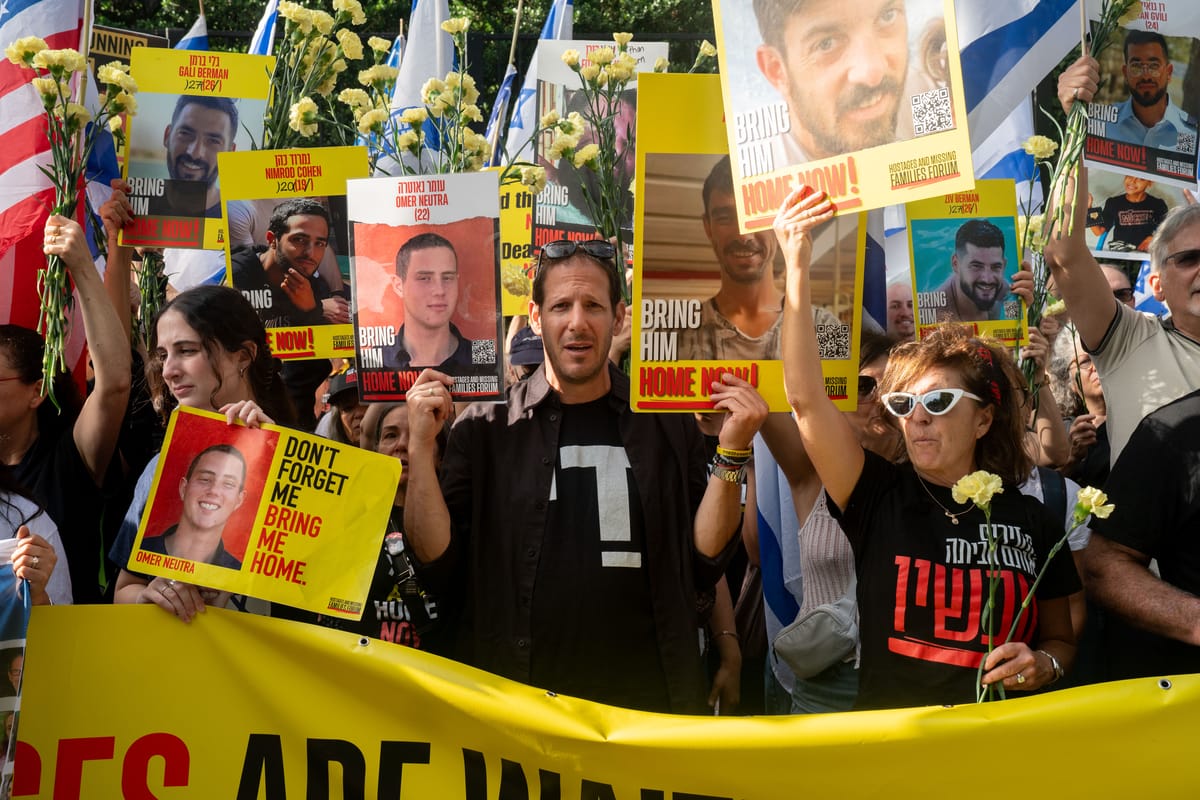
The agreement follows months of nonstop protests in Israel, with people hitting Hostages Square every week to push for the captives' release.
This whole thing reminds folks of the 2011 swap for Gilad Shalit, where one Israeli soldier came home in exchange for over 1,000 Palestinians. Afterward, Netanyahu pulled a line from the Book of Isaiah: "To bring out the prisoner from the dungeon, from the prison those who sit in darkness."
No word yet if he'll dust off that quote once the hostages start coming back, which could kick off as soon as Monday if the cabinet gives the green light.
Reactions are all over the map, lots of cheering in Israel, but some Palestinians are skeptical. Details on how it'll all play out are still getting ironed out, with American folks like Jared Kushner helping mediate via Egypt.