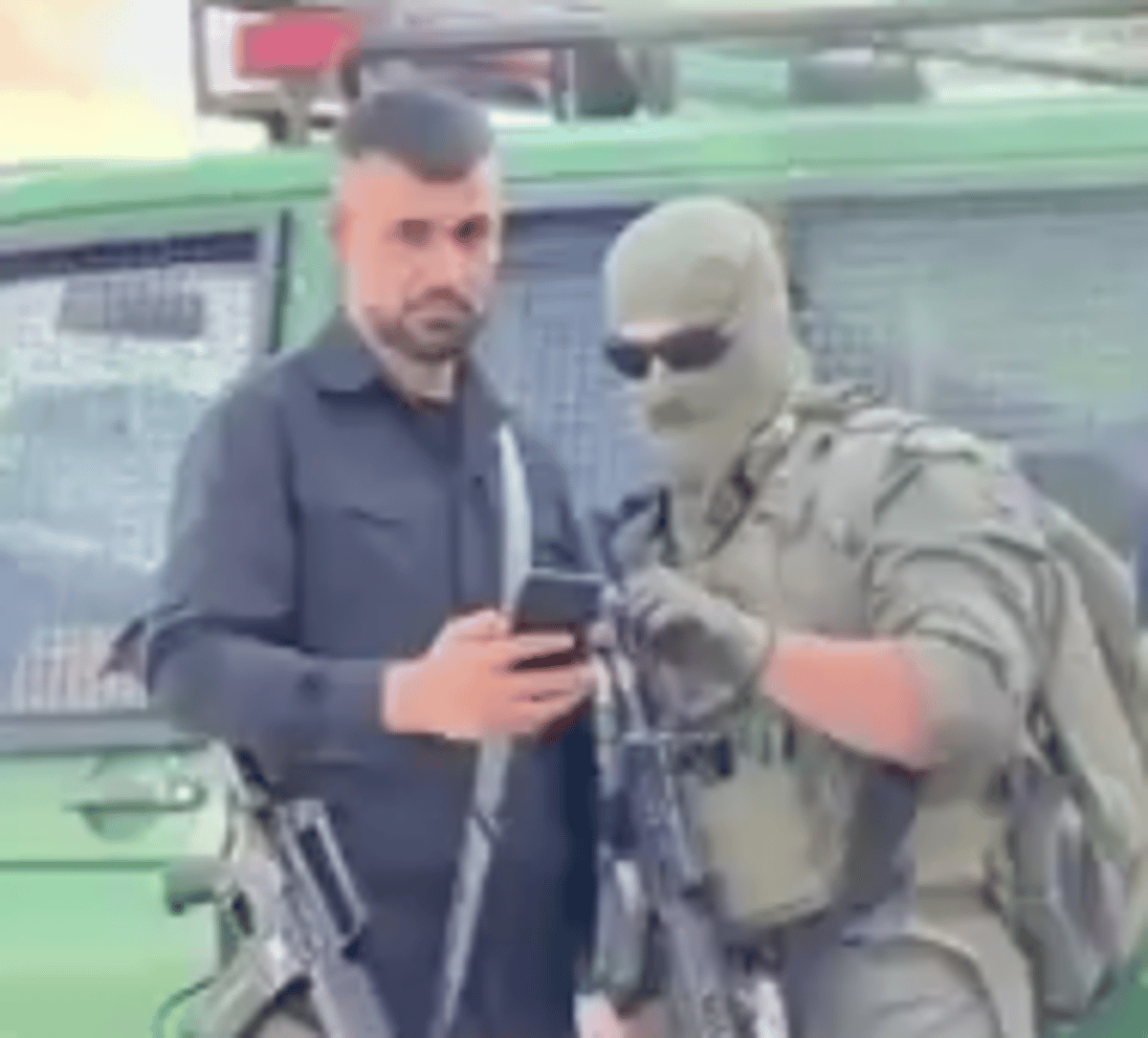
Infilitration Nightmare Looms?
Why are PA officers dressing in elite IDF uniform lookalikes?
Palestinian Authority Forces Gear Up with IDF-Like Uniforms and U.S. Weapons Amid Fears of Anti-Israel Preparations

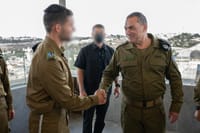
In a development stirring deep concerns in Israeli security circles, Palestinian Authority (PA) security, intelligence, and special forces have been spotted donning olive uniforms strikingly similar to those worn by elite Israeli units like the IDF's Duvdevan (undercover commandos) and Yamam (counter-terrorism police), paired with American-supplied M4 rifles.
Sources describe this as a "disturbing phenomenon," raising alarms that the PA is evolving beyond a mere policing role into a full-fledged army poised for potential confrontations with Israel.
Recent observations from 2024-2025 photos and videos show PA personnel adopting olive-drab camouflage patterns that echo Israeli "mista'arvim" operatives, soldiers disguised as Arabs for covert missions in Palestinian territories.
This mimicry has sparked fears in Israel of infiltration risks, with officials worried it could facilitate operations against IDF forces or blur lines in volatile areas.Adding to the tension, PA units have intensified training in Jordan and Jericho, often with U.S. coordination, focusing on counterterrorism, crowd control, and urban warfare tactics akin to those of Israeli elites.
While framed as preparation for post-conflict stabilization in Gaza and / Judea and Samaria, Israeli officials view it as "dual-use," potentially adaptable for armed scenarios against Israel. Israeli intelligence is closely monitoring for escalation signs, especially amid 2025 regional strains, including possible annexations or coordination breakdowns.
The PA's arsenal includes U.S.-provided M4 carbines from foreign aid, though Israel has occasionally delayed or blocked shipments over misuse concerns. With an estimated 30,000-40,000 personnel across branches, equipped as light infantry with armored vehicles and heavy weapons from international donors, the PA blurs the policing-military divide.
Critics label it not just the PA or PLO, but akin to the Palestinian Liberation Army (PLA), the PLO's historic military wing from the 1960s, integrated post-Oslo Accords, training for a "day of command" against Israel. The Palestinian Liberation Front (PLF), a separate terror group known for past attacks, remains less active today.
PA officials counter that these enhancements are strictly for internal security, targeting threats like Hamas, not aggression toward Israel.