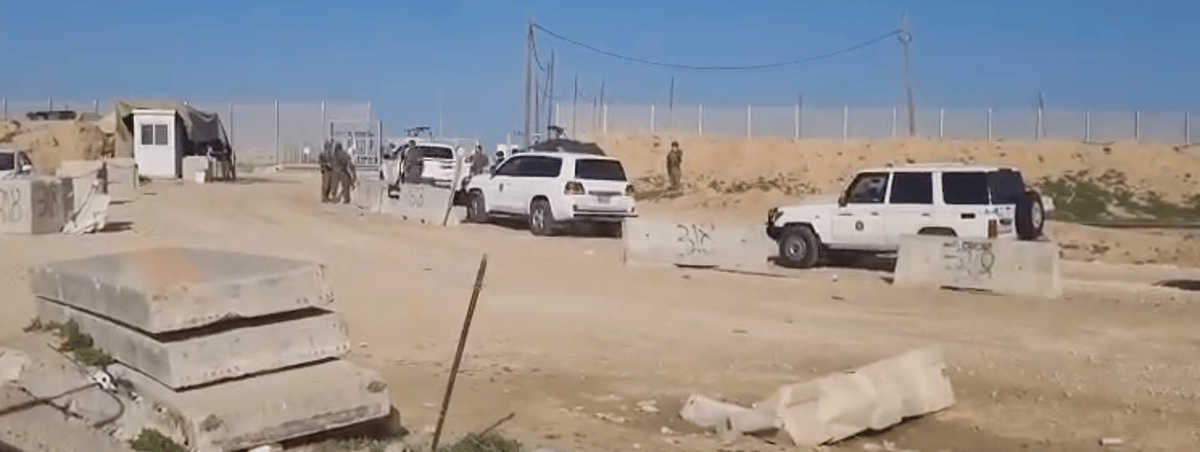
n a cautious move signaling potential de-escalation in the Gaza region, the Rafah border crossing between Gaza and Egypt reopened to limited pedestrian traffic this morning for the first time since its closure in 2025. The partial reopening, under strict Israeli monitoring alongside Egyptian authorities, EU observers, and supervision by Israel's Coordinator of Government Activities in the Territories (COGAT), comes as part of broader diplomatic efforts tied to U.S. President Donald Trump's 20-point peace plan.
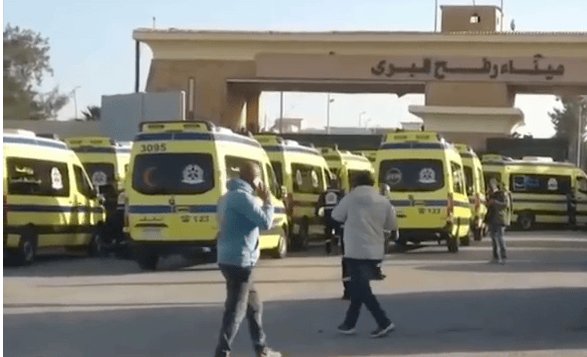
Only a handful of civilians were permitted to cross today, primarily to allow operators to rehearse procedures and test advanced ID screening systems. Additionally, around 10 ambulances are slated to evacuate sick and wounded Gazans, prioritizing humanitarian needs amid the ongoing conflict's toll.
Israeli officials approved the move last week, linking it explicitly to conditions in Trump's plan, which includes demands for hostage releases and steps toward regional stability.
The development has not been without controversy. Several Israeli opposition lawmakers swiftly criticized the arrangement, pointing to the presence of Palestinian Authority (PA) personnel at the site as a potential security risk and a concession that could undermine Israel's control. "This risks turning Rafah into a gateway for threats rather than aid," one Knesset member tweeted shortly after the announcement.
This reopening follows months of diplomatic maneuvering, including Trump's renewed focus on Middle East peace since his re-election. The crossing's closure in 2025 stemmed from heightened security concerns after escalations in Gaza, with Israel assuming direct oversight to prevent smuggling and terror activity. Today's limited operations mark a rehearsal phase, with full functionality expected to ramp up if protocols prove effective and no incidents occur.As of now, no disruptions have been reported, but the site remains under heavy surveillance. Egyptian and EU involvement aims to ensure transparency, while COGAT emphasized that all crossings will prioritize humanitarian evacuations.
Critics within Israel argue it could embolden adversaries, while supporters see it as a pragmatic step toward Gaza's reconstruction under Trump's framework.