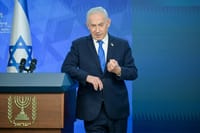
Negotiations for Phase 2 of the Israel-Hamas ceasefire deal are poised to begin, though the location and exact timing remain fluid as Prime Minister Benjamin Netanyahu heads to Washington for talks with President Trump, potentially shifting the venue from Qatar to the United States.
Key Components of Phase 2
According to the framework agreement, the second phase would include:
- Declaration of a complete end to the war, notably before Hamas rule in Gaza has been toppled
- Complete IDF withdrawal from all Gaza territories, including the strategically significant Philadelphi Corridor and buffer zone
- Initiation of full Gaza reconstruction, supported by billions in international funding
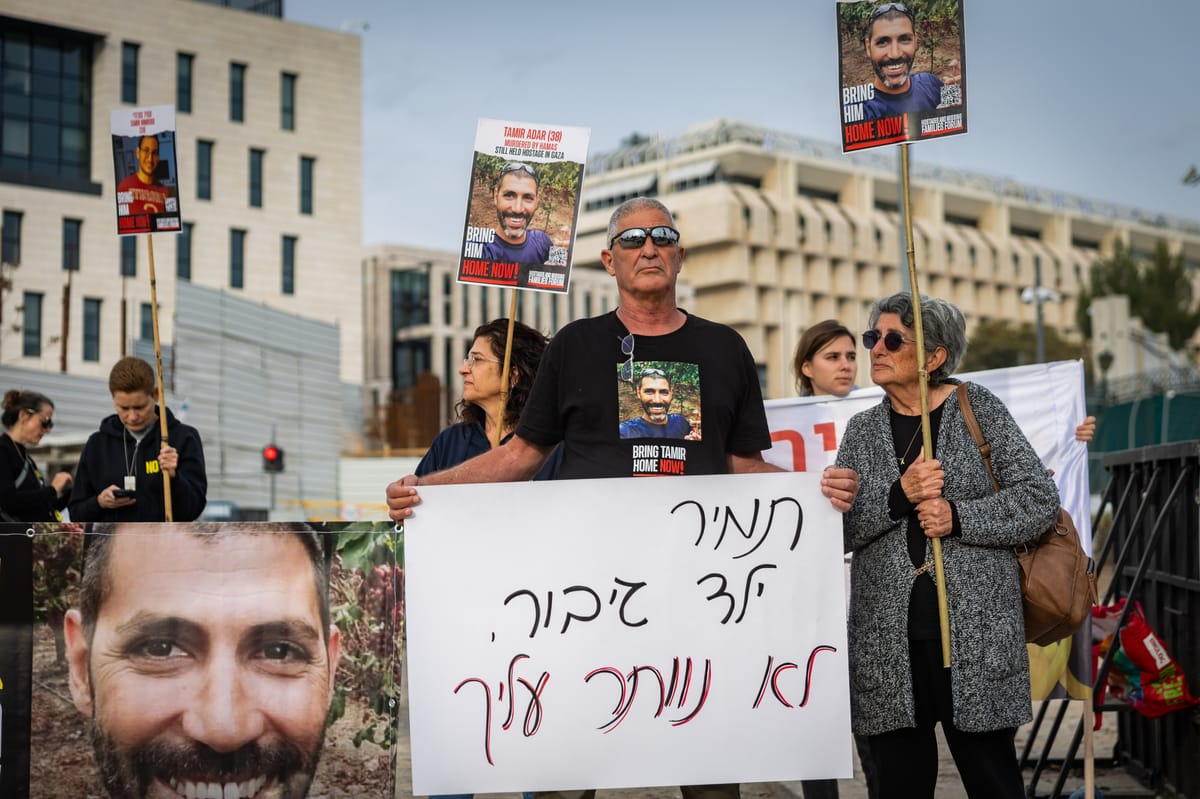
- Release of all remaining living hostages in Gaza (classified as the "military sector") in exchange for a massive release of life-sentence prisoners, including those convicted of serious offenses
Exchange Ratios and Expectations
Hamas official Khalil al-Hayya has previously indicated a demand for 500 prisoners for each soldier. While the final exchange ratio remains unpublished, it's expected to significantly exceed the terms of the recent female soldiers' release, where Israel freed 30 life-sentence prisoners plus 20 serving lengthy sentences for each hostage.
Timeline and Political Challenges
The agreement stipulated that Phase 2 negotiations should commence no later than the 16th day of the first phase, which is today (February 3, 2025). However, the process faces several challenges:
International Mediation
The involvement of multiple international mediators, including the United States, Egypt, and Qatar, underscores the diplomatic complexity of the negotiations. Each party brings distinct interests and perspectives to the table, contributing to a multifaceted negotiating environment.
Senior officials in Israel have noted that this ceasefire is tenuous and that there are no end of complications which could occur and put a spoke in its wheels.
Abu Ali contributed to this article.