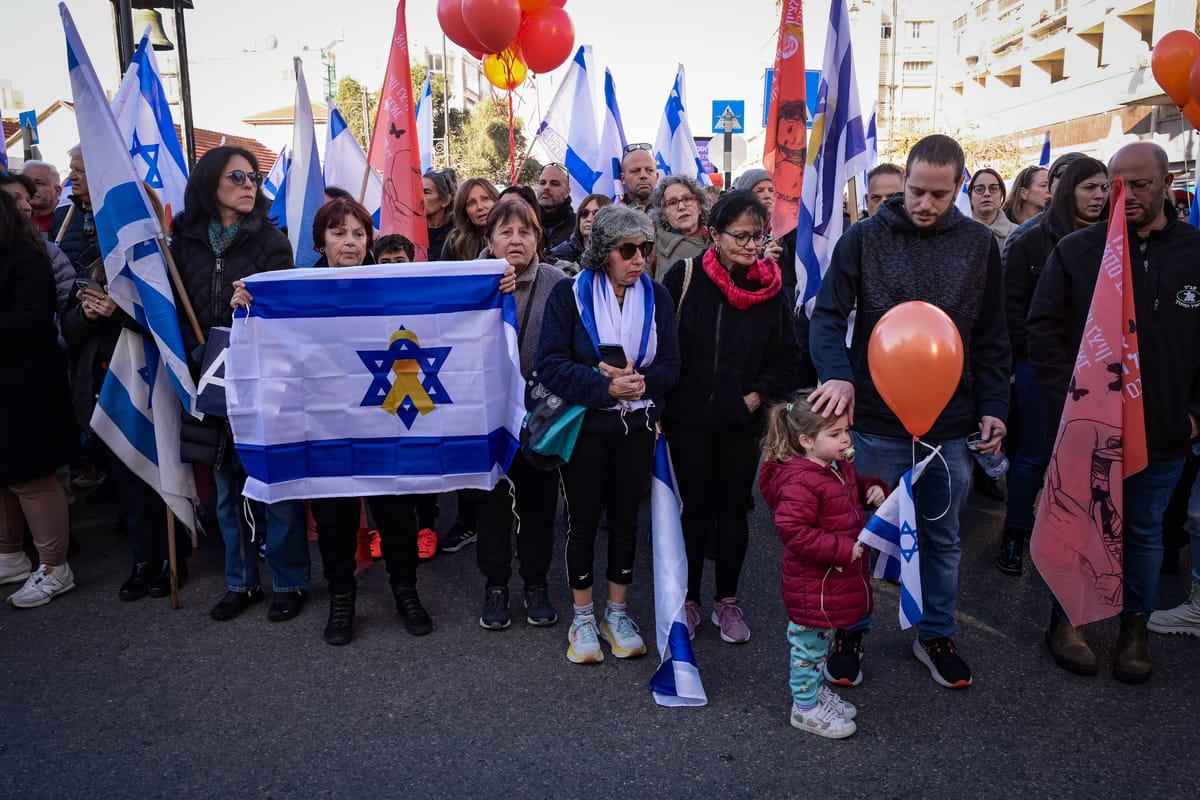
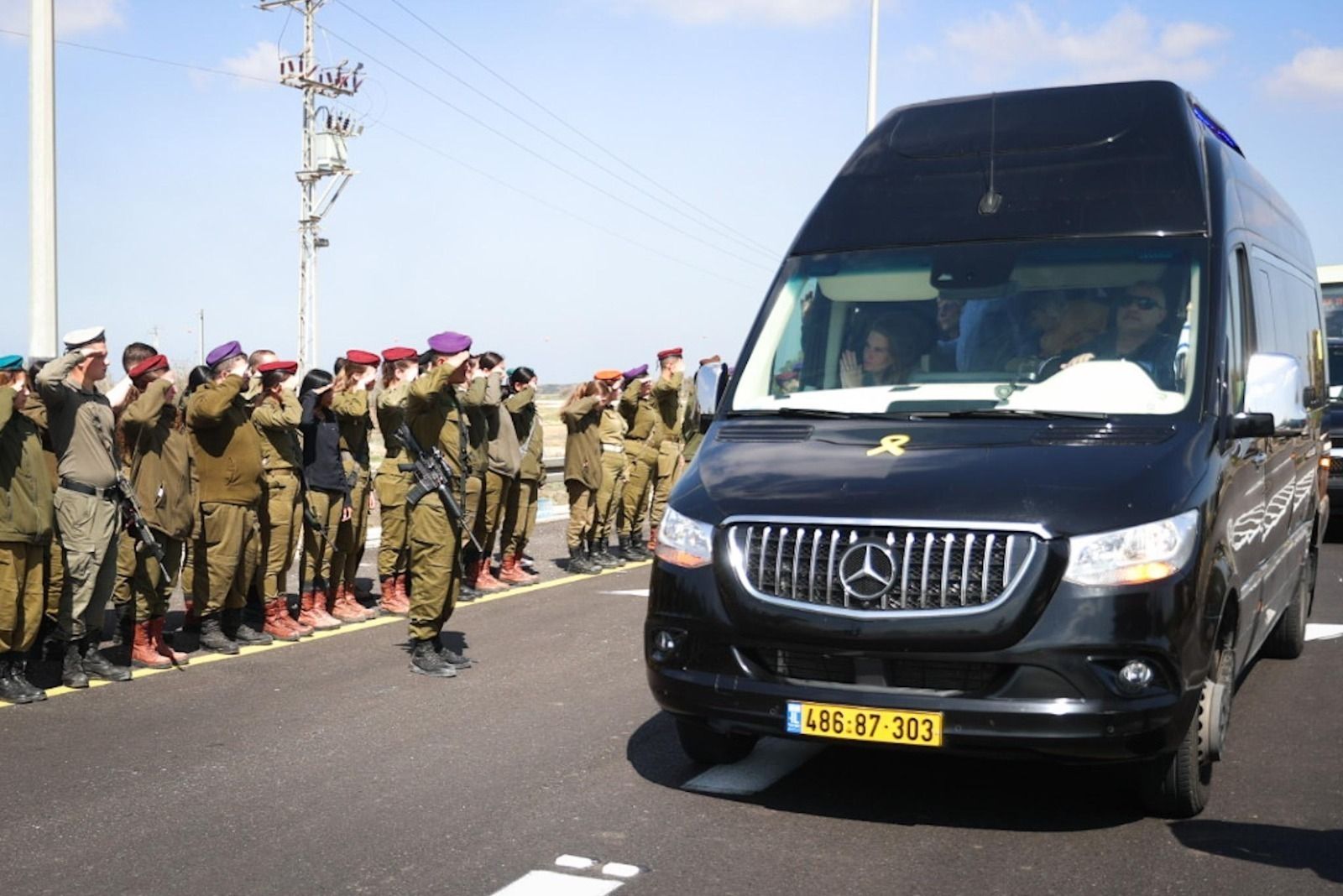
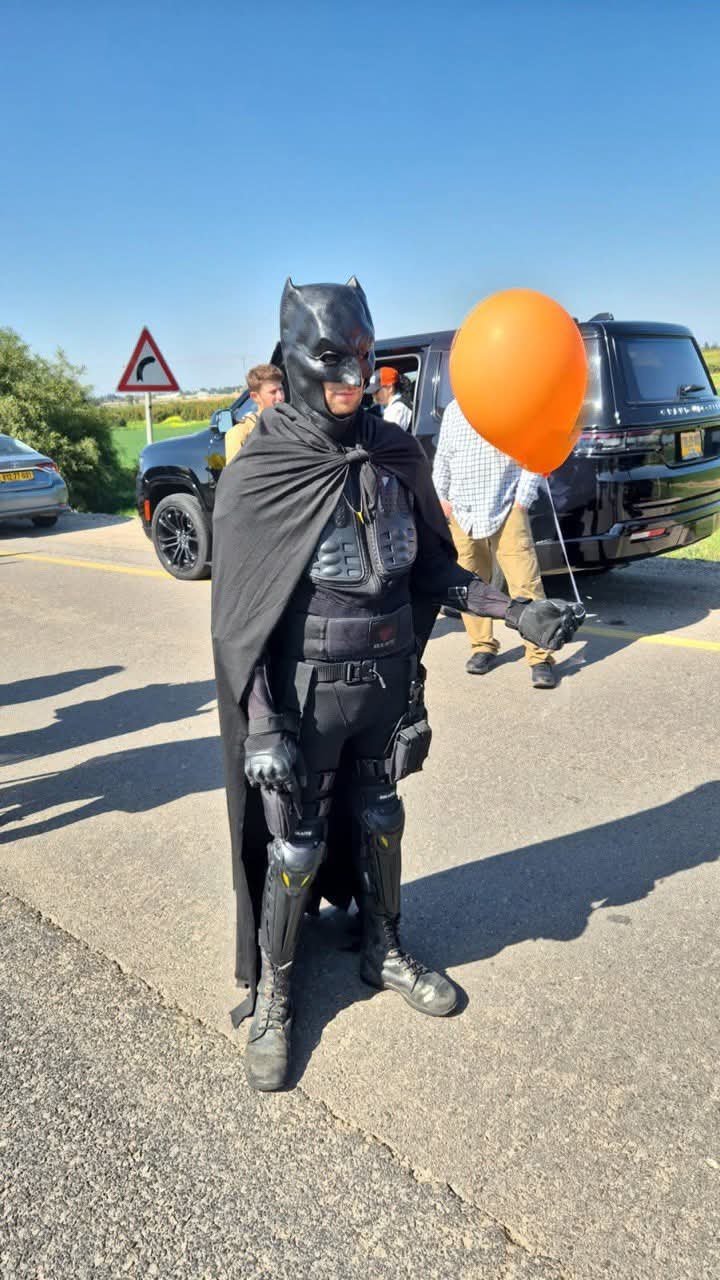
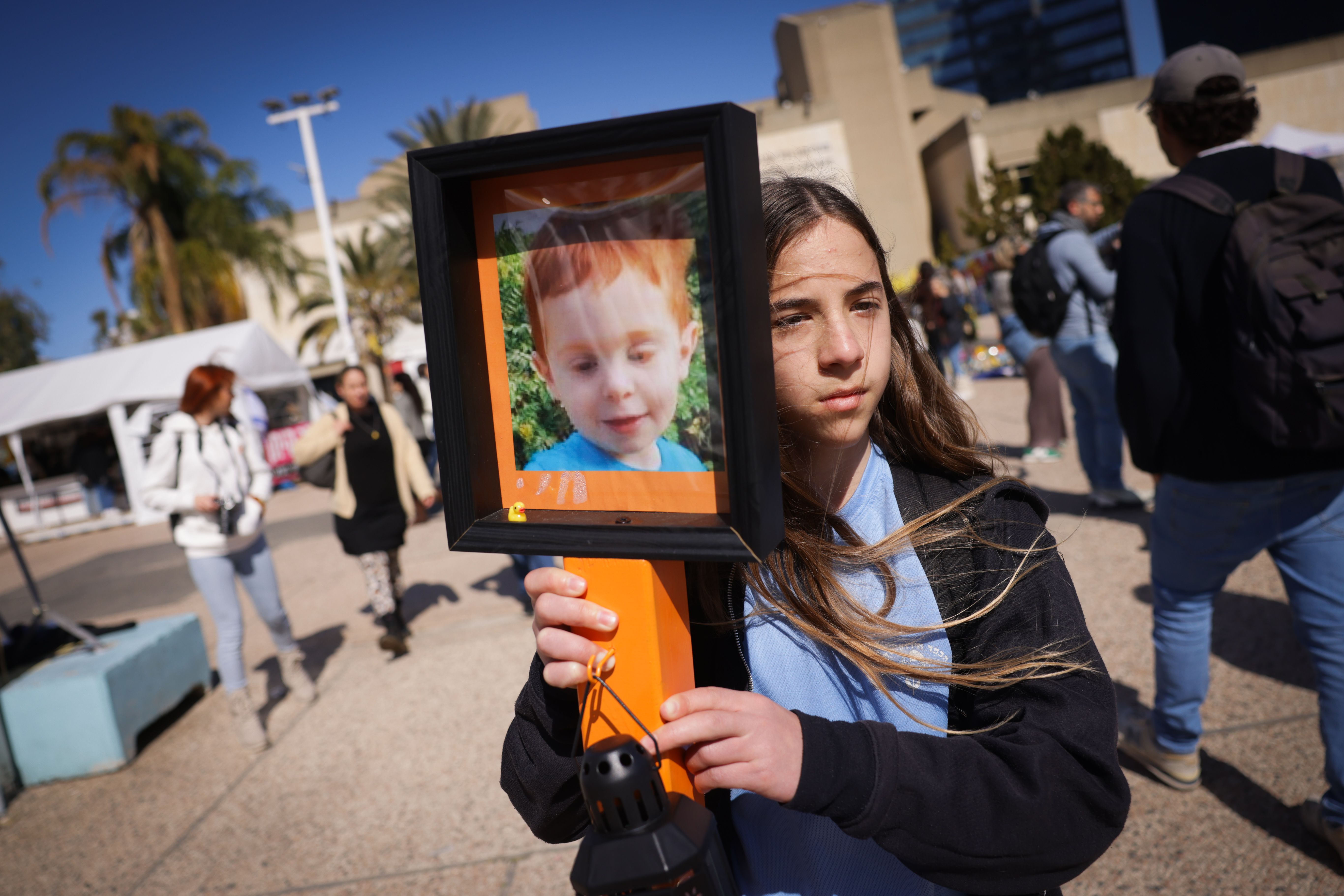
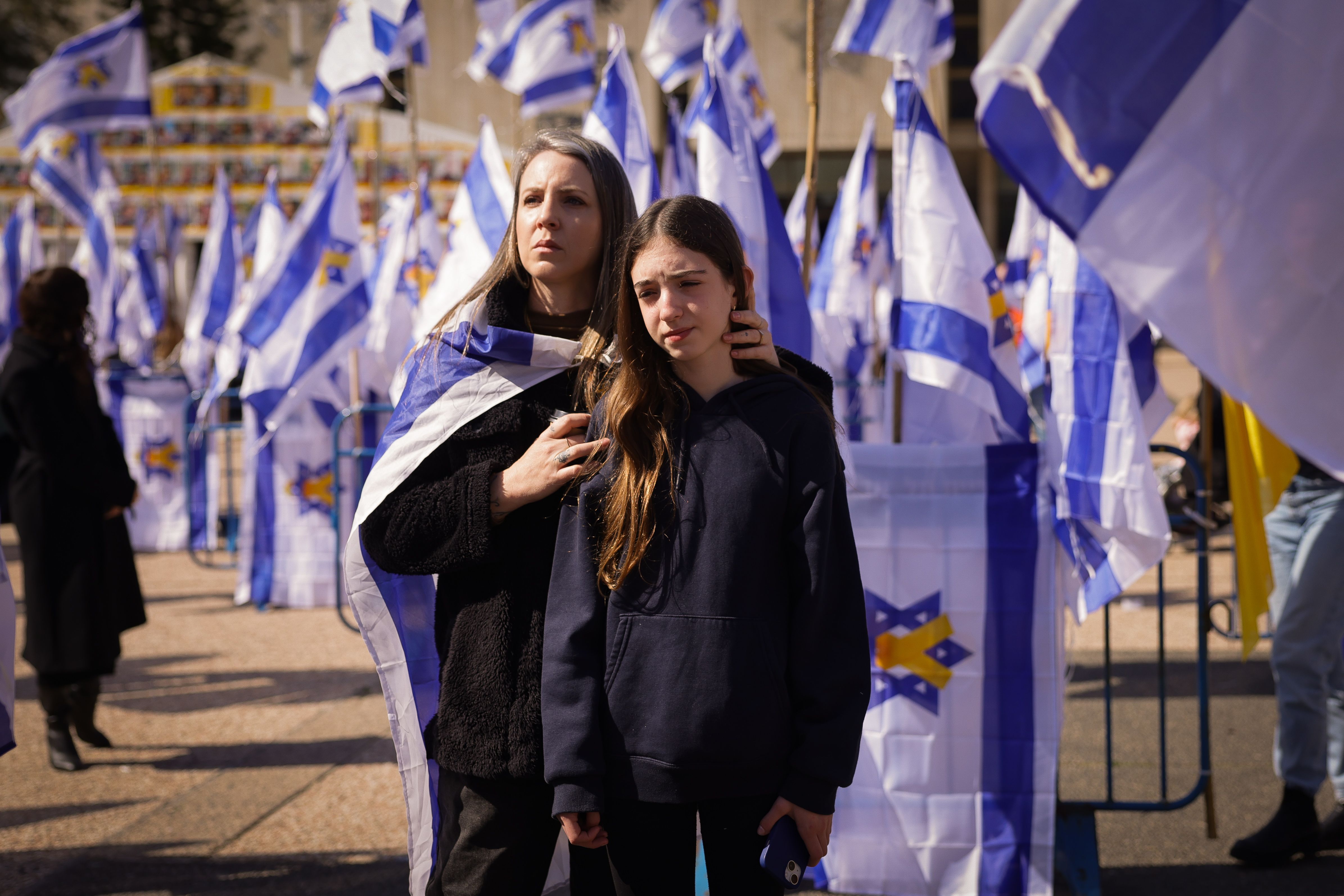
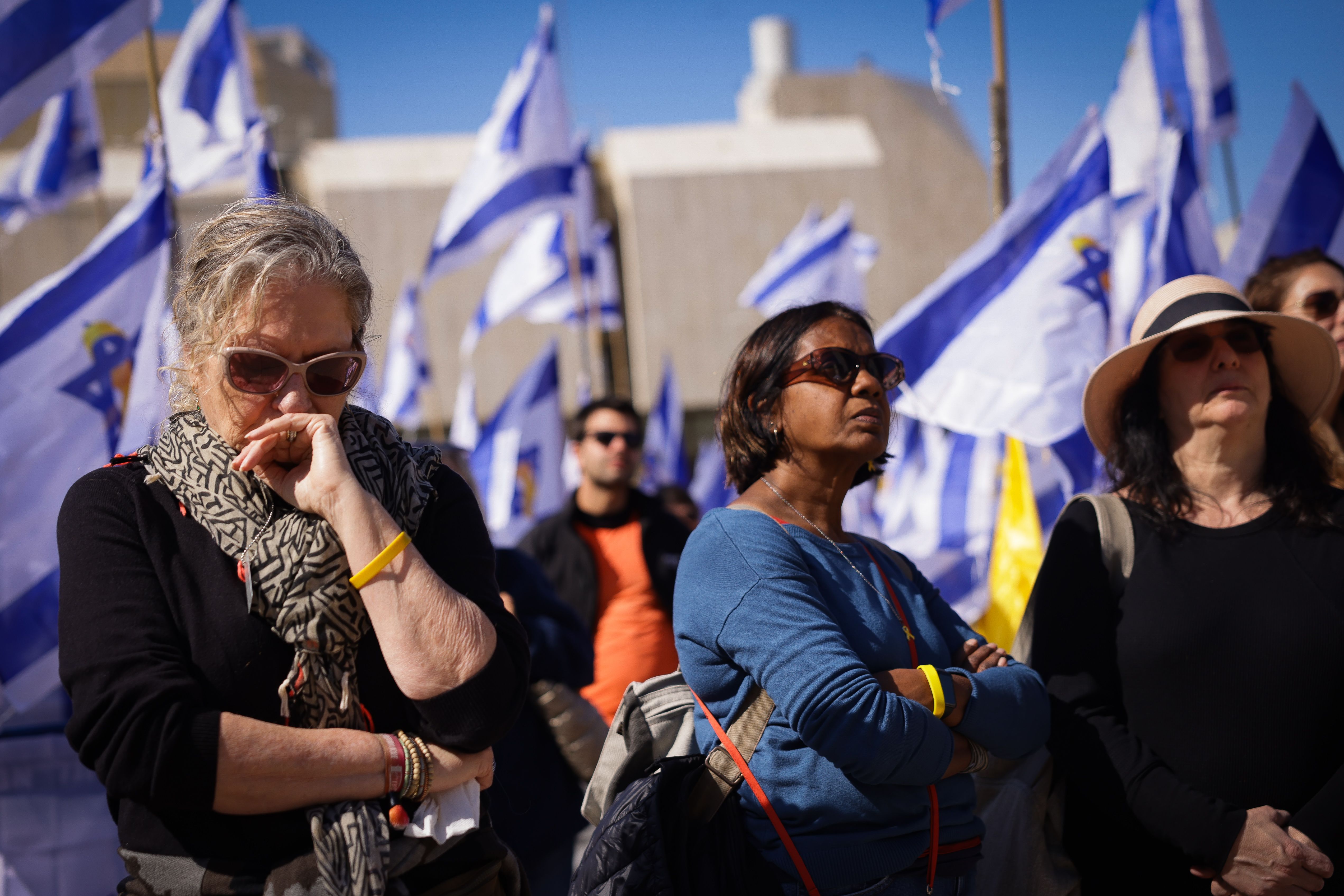
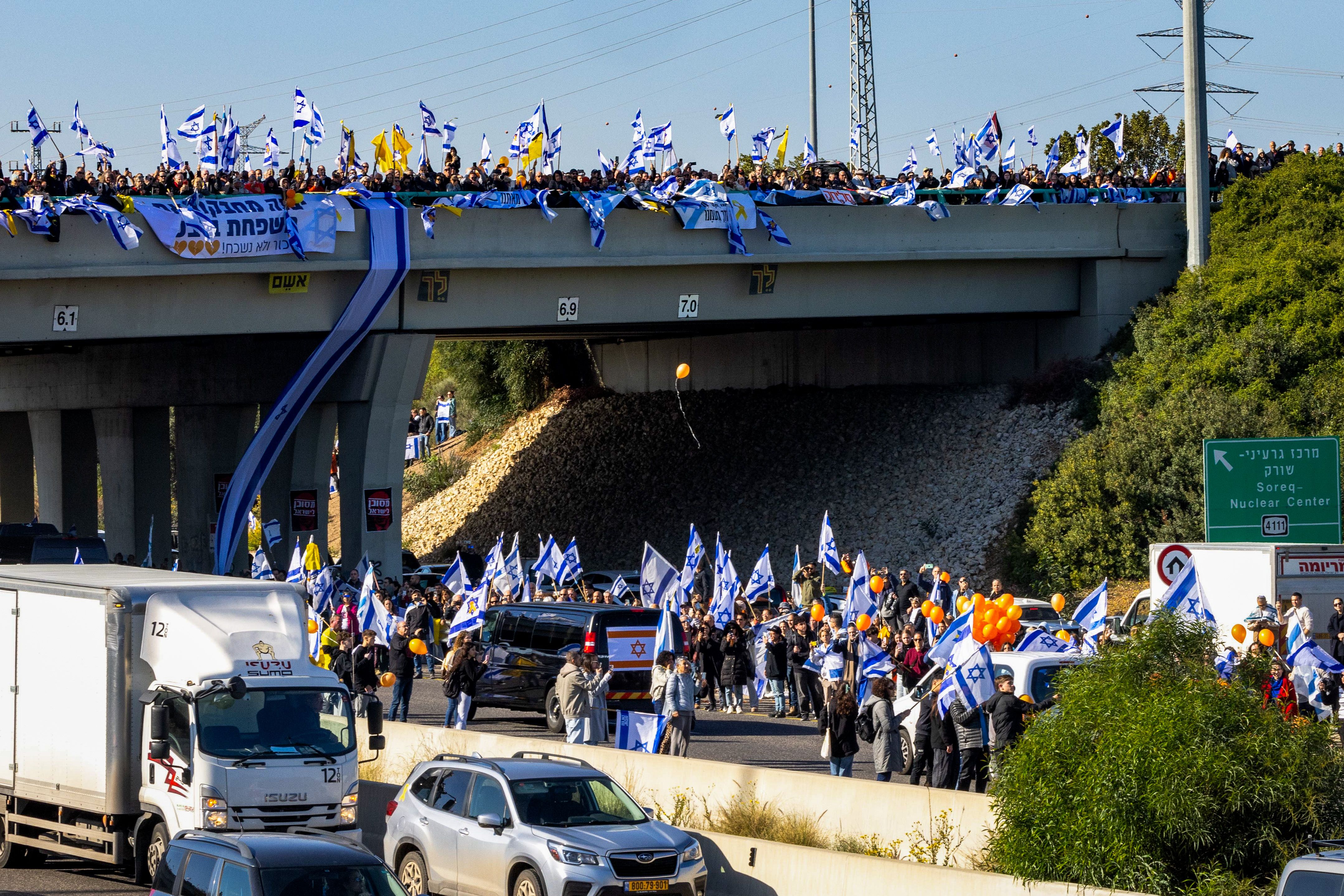
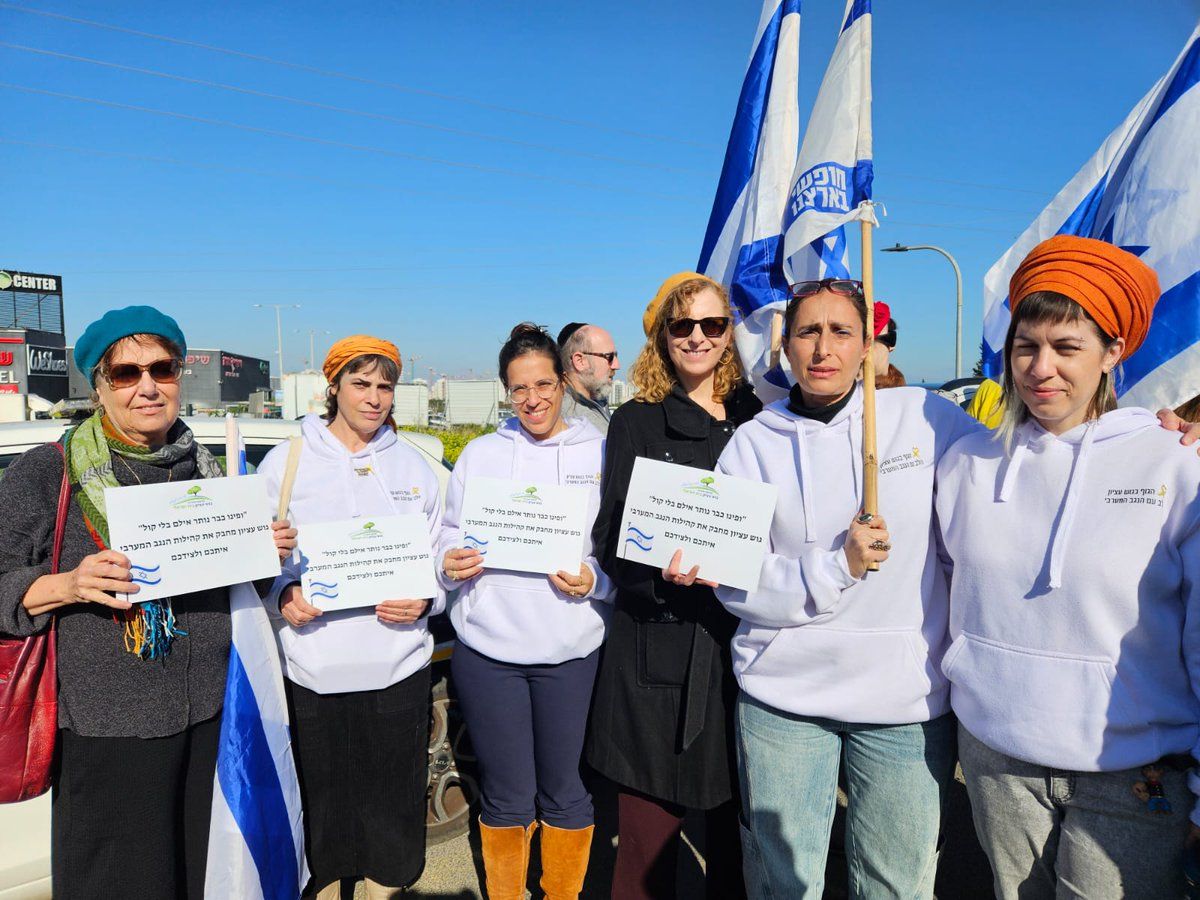
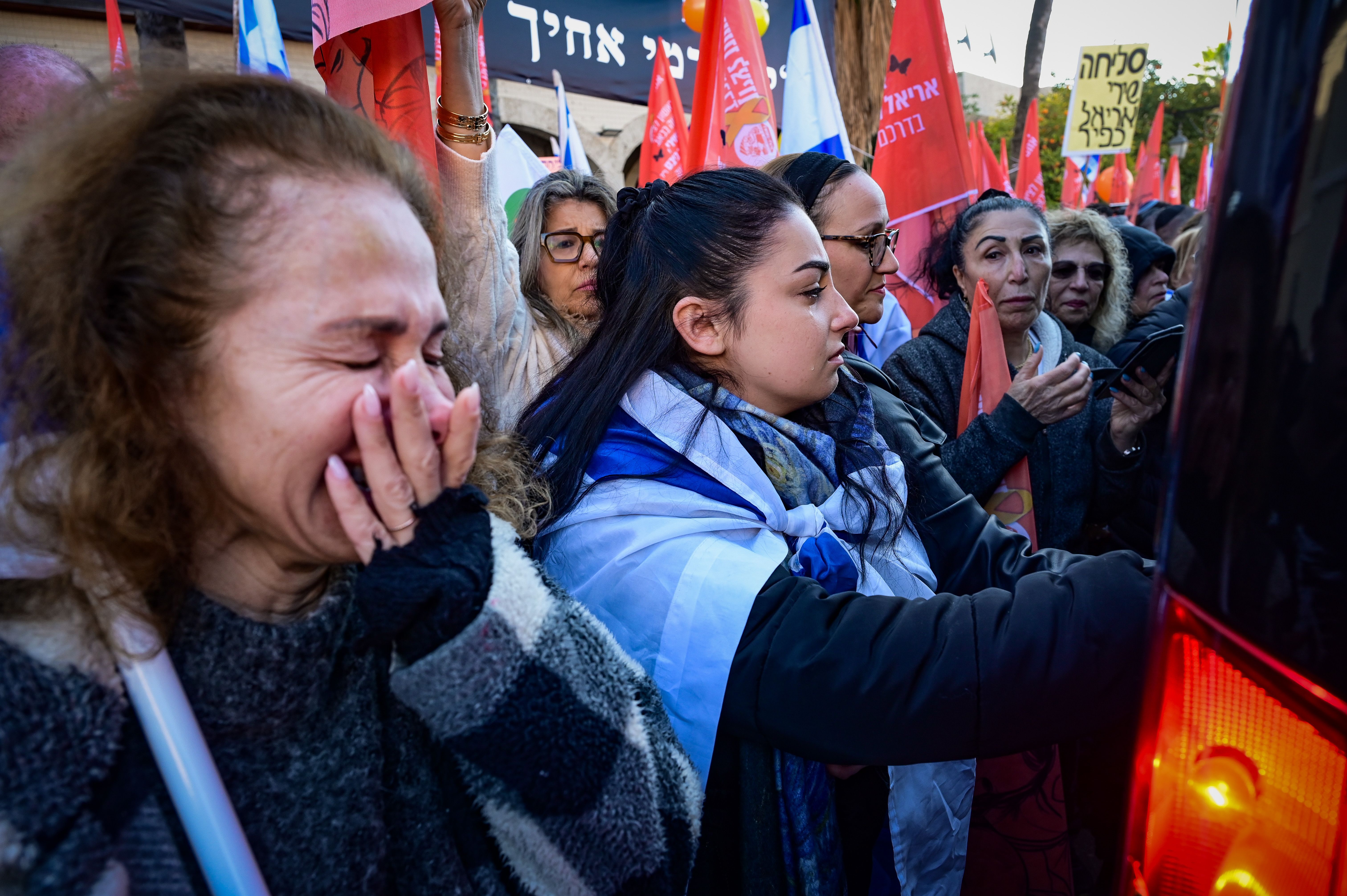
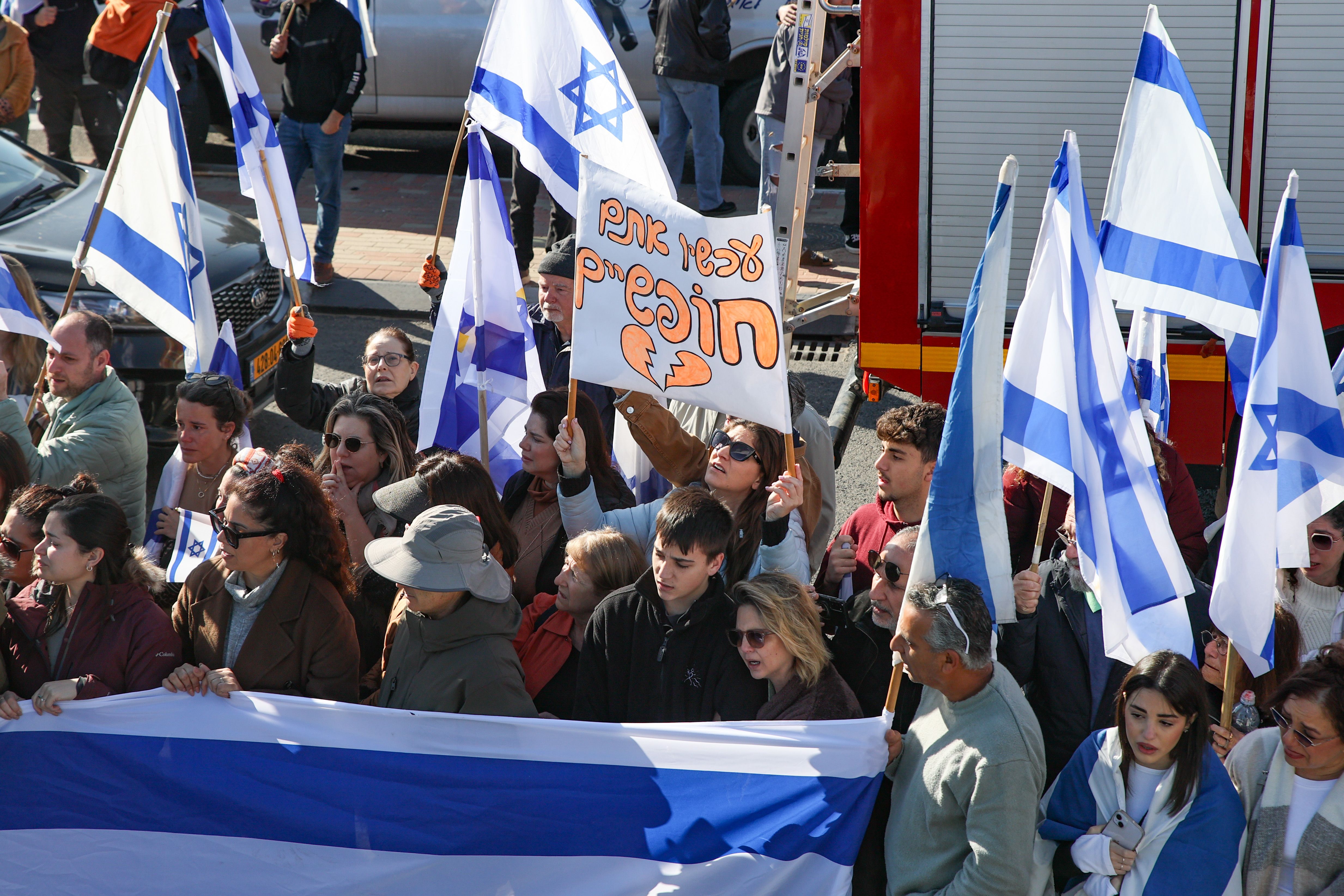
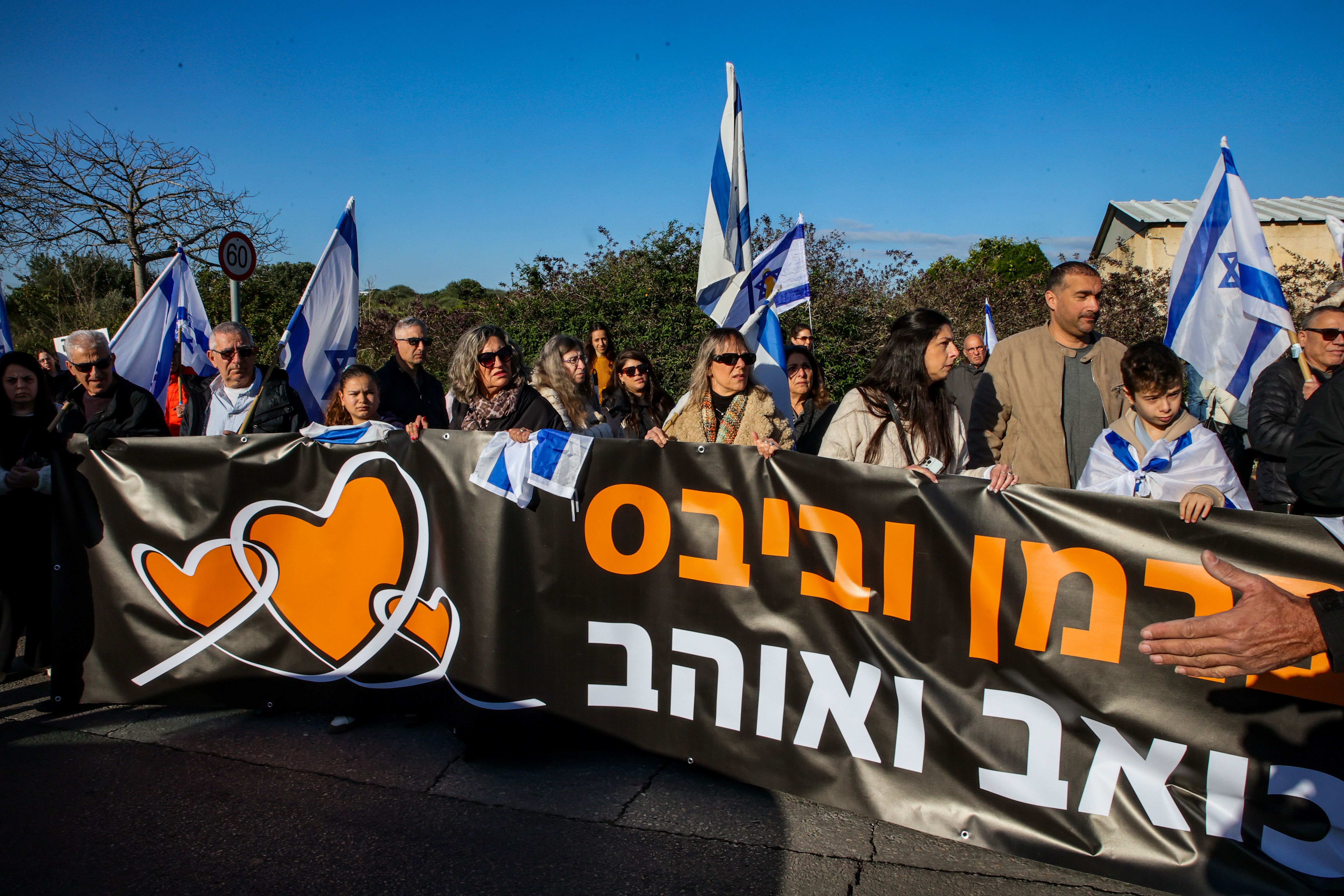
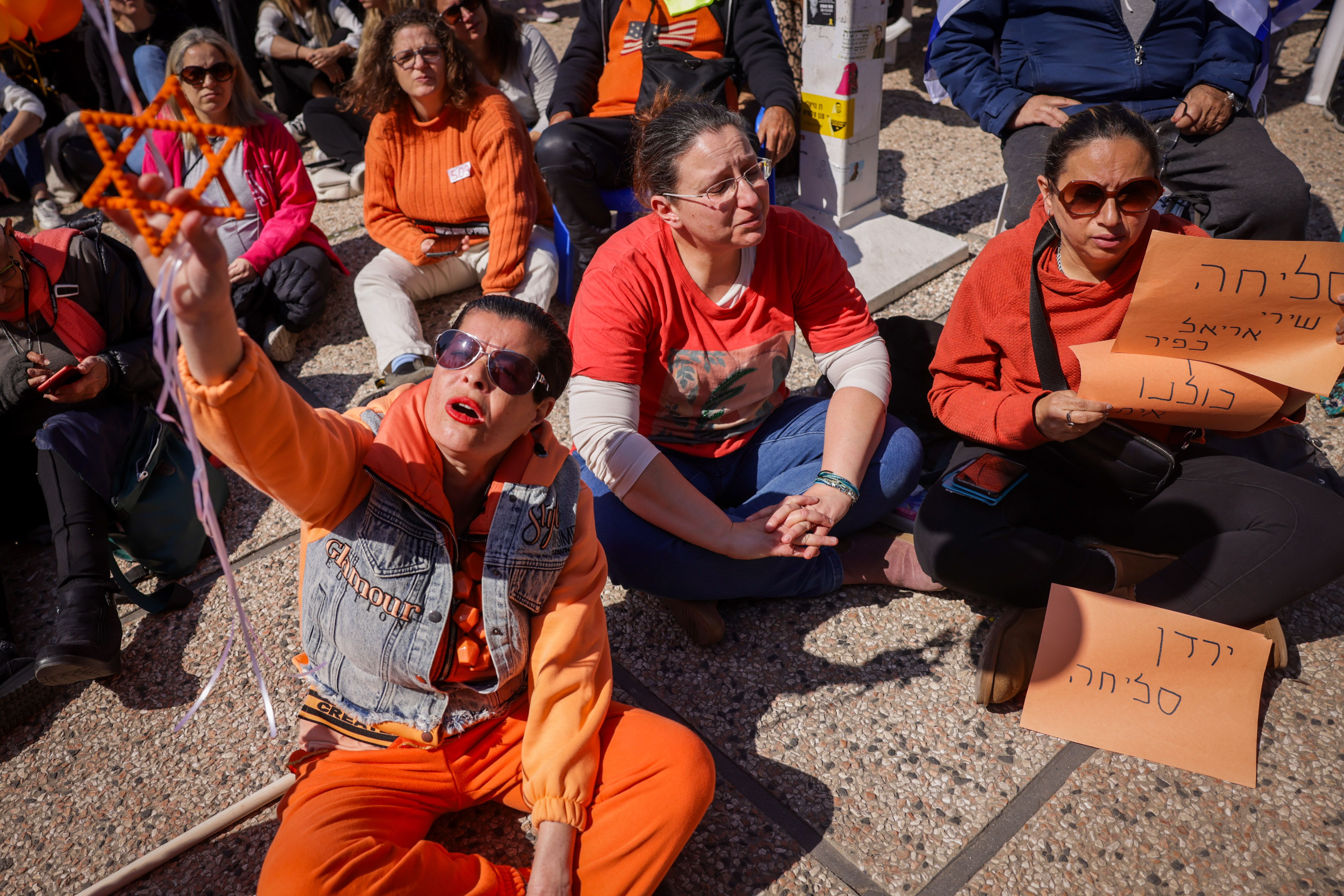
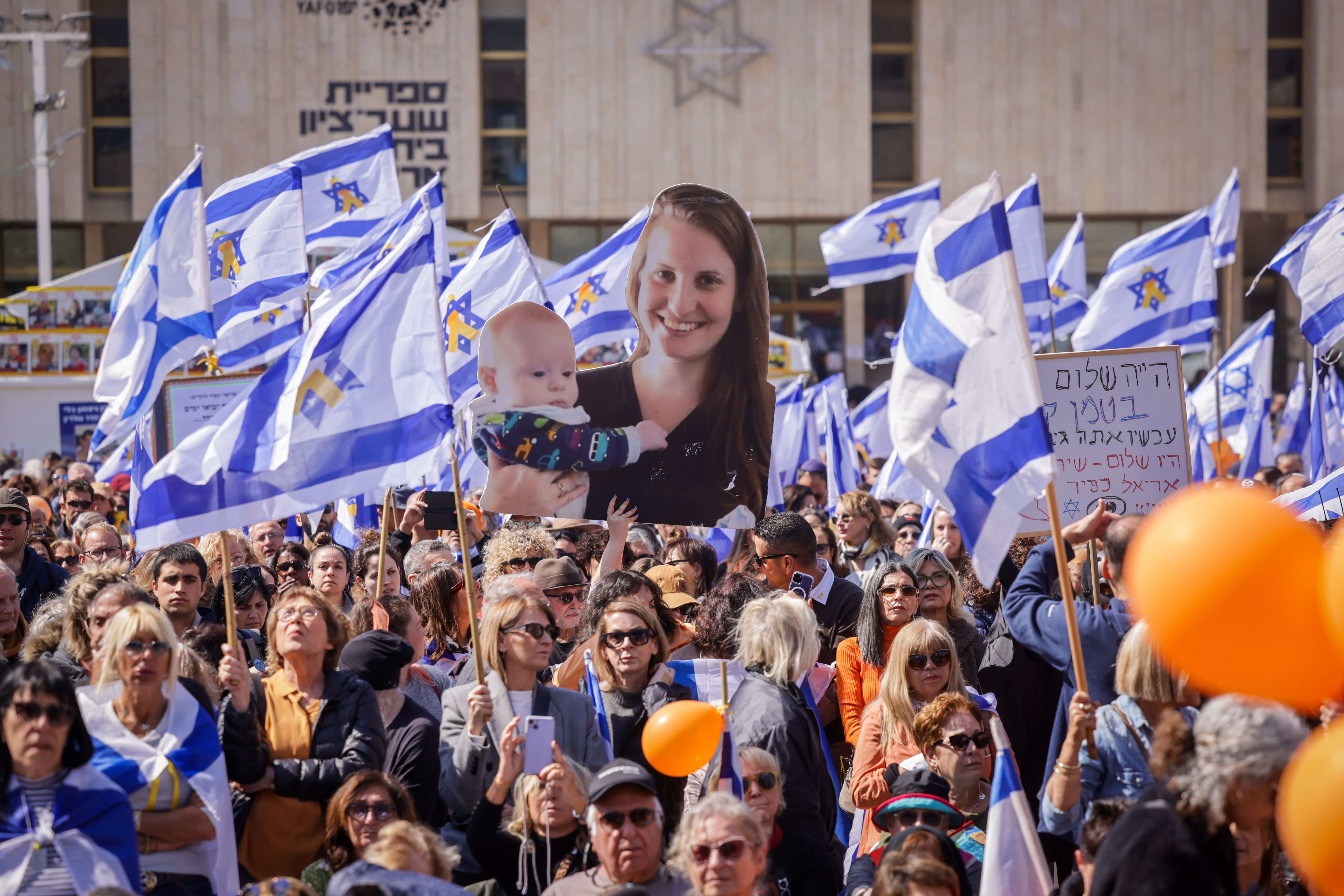
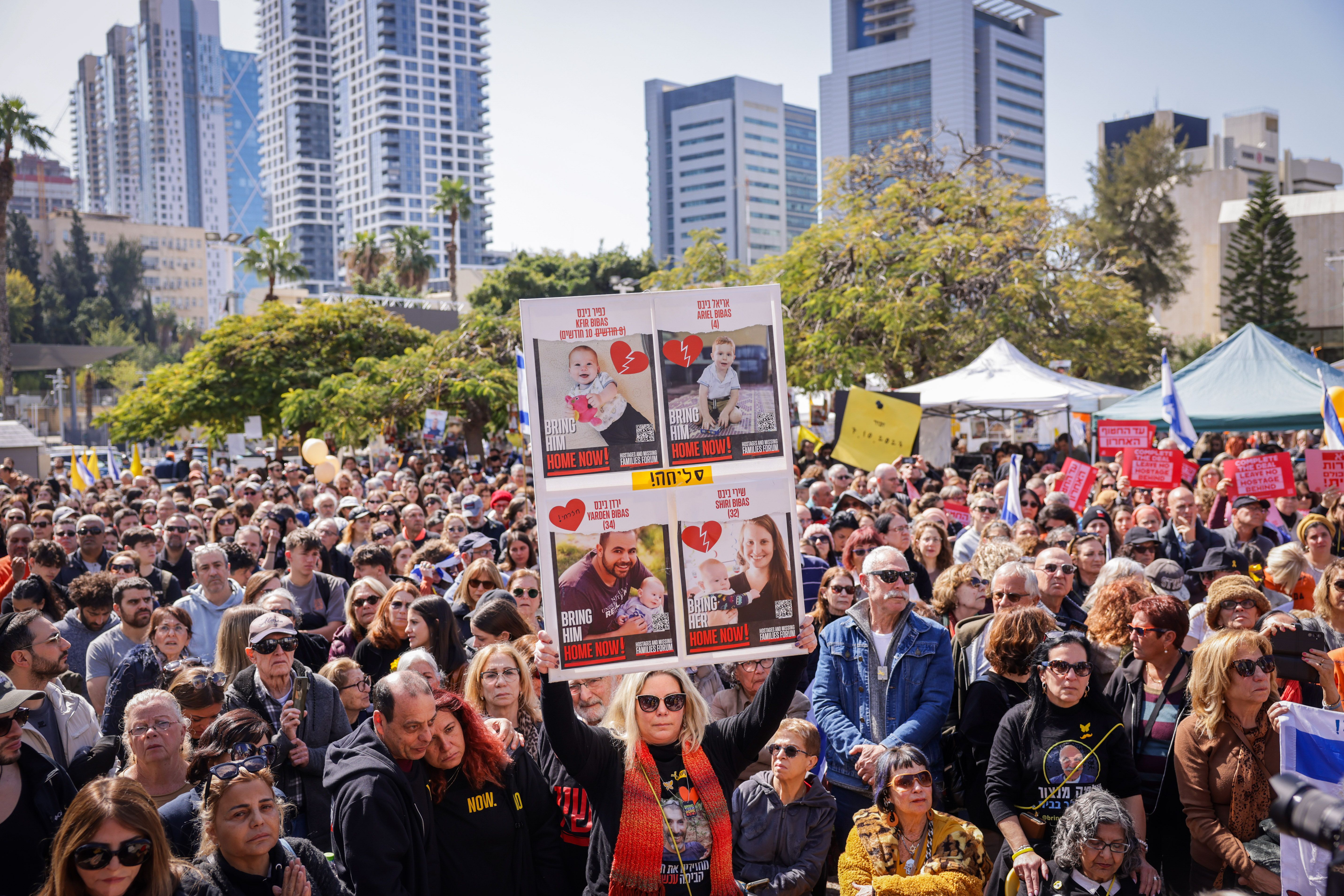
Today, as their funeral procession winds through a nation united in mourning, the air is thick with the sound of stifled sobs and the rustle of flags against the wind. The orange balloons—chosen for the fiery hue of Ariel and Kfir’s hair—float like fleeting sparks of the life they should have lived. In Hostages Square, where their faces adorned posters and their names became a rallying cry, strangers light candles and whisper prayers. Along the roadside, a grandmother clutches her grandson’s hand, tears streaming as she murmurs, “This could have been us.” A young man, barely out of his teens, stands silently with a sign: “We failed you.”
For 16 months, Israel held its breath. Kfir’s first birthday passed in captivity, marked by orange lights illuminating diplomatic offices worldwide. Ariel’s impish grin haunted the dreams of a people who dared to imagine his return. Shiri, the mother who became an icon of resilience, was a flame that refused to fade in the minds of millions. When Yarden was freed on February 1, he spoke of a light still burning in Gaza, a hope that his family might yet come home. That light was snuffed out, not by time or fate, but by the hands of those who saw no sanctity in a mother’s love or a child’s laughter.
The burial in Zohar is private, a sacred space for a family shattered beyond words. Yarden, now a widower and a father without his sons, has asked for this moment to be theirs alone, though the eulogies will be livestreamed—a small bridge to a grieving nation that longs to share in their goodbye. “The warm embrace, the love, and the strength you have sent us from all over Israel and the world strengthen us,” the family said in a statement. Yet no embrace can mend what has been broken.
As the convoy passes, Israel’s national anthem rises from the crowd, a fragile thread of unity amid the anguish. Simi Polonasky, who traveled from Miami to stand with hostage families, wipes her eyes and tells a reporter, “It’s hard to continue when you’re not numb.” Her words echo the sentiment of a people teetering between despair and resolve.
Shiri, Ariel, and Kfir Bibas are more than names on a headstone. They are the faces of a war that has claimed too many, the embodiment of a trauma that will linger for generations. Their deaths—brutal, senseless, and deliberate—are a call to the world to see what Hamas has wrought. Their burial is not closure, but a beginning: a vow to remember, to fight, and to ensure that no more mothers clutch their babies in vain.
Today, Israel weeps. Tomorrow, it rises—not with vengeance, but with the unyielding will to protect what remains. For Shiri, for Ariel, for Kfir, and for every soul still waiting to come home.